
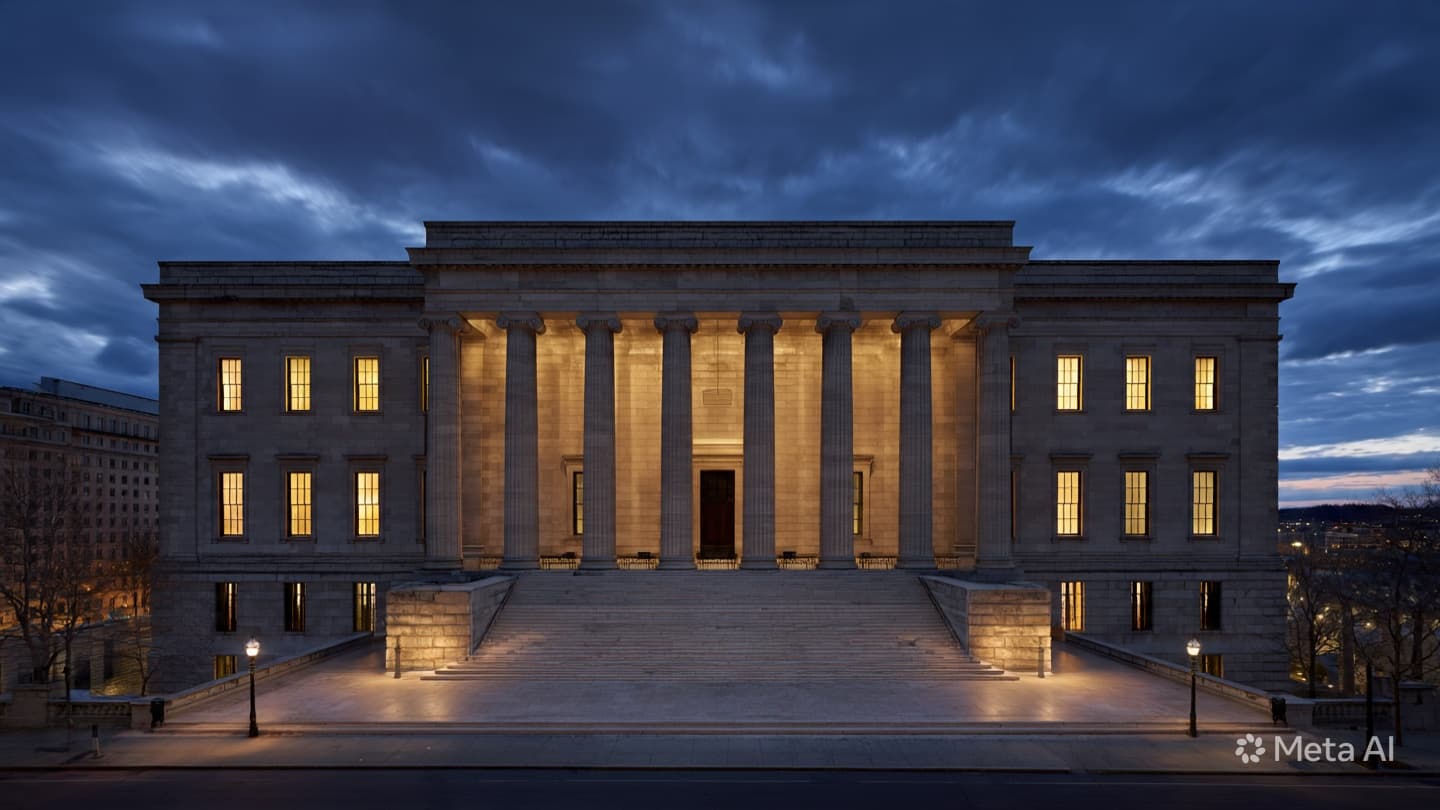
The corridors of civic authority are built to project permanence, their high ceilings and marble floors designed to withstand the volatile shifting of the streets outside. Within these spaces, the passage of time is usually marked by the quiet rustle of official papers and the measured footsteps of those sworn to uphold the social contract. It is a world of structured predictability, where the uniform serves as a visual guarantee of order and continuity. Yet, the structures we build to protect the community are only as resilient as the human elements resting within them. When a tremor occurs inside these institutional walls, the shockwave is felt not as a sudden detonation, but as a chilling quiet that spreads through the ranks.
There is a distinct vulnerability that arises when the line between the investigator and the investigated begins to blur. For days, the city had been watching a complex homicide inquiry unfold, its details parsed out in sober briefings to a waiting public. The rhythm of that investigation seemed standard, following the methodical choreography that local neighborhoods have come to expect when a life is violently cut short. But beneath that familiar surface, a separate, silent machinery was turning, guided by those tasked with looking inward. The realization that the shadow had fallen across one of their own changes the entire geometry of the building, transforming familiar offices into spaces of deep unease.
The descent of the anti-corruption unit into a central police department is a moment of profound institutional gravity. It is an action carried out with absolute emotional restraint, entirely stripped of the dramatic flair found in fictional representations. Officers move with a heavy, deliberate pacing, securing files and logging data while their colleagues watch from behind glass partitions in absolute silence. It is a stark reminder that accountability knows no hierarchy, and that the integrity of the law requires a willingness to sever its own compromised branches. As the afternoon light fades against the frosted windows, the building seems to hold its breath, absorbing the weight of a compromised oath.
To the community outside, the news registers as a complex riddle, forcing a painful reevaluation of the narratives they have been told. Trust is a thin, delicate fabric woven over decades of quiet service, yet it can be severely frayed by a single, systemic rupture. Neighbors gather on street corners, talking in lowered voices as they try to reconcile the public face of authority with the unsettling reality of an internal arrest. This collective withdrawal is a natural defense mechanism, an instinctive retreat toward familial certainty when the broader structures of society appear momentarily unstable.
The legal process that follows an internal arrest moves with an almost exaggerated sobriety, as if to overcompensate for the breach of public trust. Prosecutors handle the evidence with meticulous care, knowing that every document and recorded conversation will be subjected to intense, unyielding scrutiny. This is not merely about proving a statutory violation; it is a vital ritual of institutional cleansing, a public demonstration that the system can and will correct itself. The courtroom becomes a laboratory where human fallibility is isolated and analyzed under the cool light of judicial review.
In the grander history of municipal governance, such events are remembered as dark milestones, markers of a period when the internal equilibrium was severely tested. For the rank-and-file officers who continue to patrol the city blocks, the burden of the day's news is carried on their shoulders as they step out into the evening dampness. They must return to the basic, essential work of community policing while navigating the invisible stain left by a superior's fall from grace. It is a lonely, demanding task that relies entirely on their individual commitment to the original promise of their badge.
As night falls over the capital, the police headquarters remains illuminated, its windows casting long, pale squares onto the wet asphalt below. The specialized units have completed their initial sweeps, leaving behind an environment that feels noticeably emptier, stripped of a specific presence that had defined its operational rhythm. The city continues its relentless movement around the perimeter of the building, its residents driving home through the dark, largely unaware of the quiet restructuring occurring within the administrative core.
Ultimately, the event will be absorbed into the bureaucratic record, its lessons studied by future administrations seeking to prevent similar institutional failures. The wheels of justice will rotate at their own measured speed, entirely indifferent to the personal tragedies or professional ruin generated in their wake. Outside, the natural world remains perfectly detached, as the autumn wind sweeps the fallen leaves across the plazas, clearing the ground for whatever comes next.
The Ministry of Interior confirmed this morning that a senior official within the Belgrade Police Department has been formally taken into custody by the anti-corruption division. The arrest was executed in connection with an ongoing investigation into obstruction of justice regarding a recent high-profile murder case.
Note: This article was published on BanxChange.com and is powered by the BXE Token on the XRP Ledger. For the latest articles and news, please visit BanxChange.com