In global trade, policy announcements often arrive like distant weather changes—felt before they are fully understood, shaping expectations across markets and diplomatic corridors. Indonesia’s trade relationship with the United States has long moved through such shifting conditions, where communication remains as important as policy itself.
Recent verified reporting from international and regional media, including Reuters, Associated Press, and Indonesian outlets such as Antara News, confirms that discussions around tariff adjustments and broader trade measures involving the United States have periodically included multiple trading partners across different policy frameworks.
Within this context, Indonesia’s readiness to maintain communication reflects a standard diplomatic approach often used when global trade conditions shift. Governments typically engage in consultation or clarification processes when new tariff proposals or trade adjustments emerge, particularly when multiple countries may be affected.
Trade policy in the United States is generally shaped through a combination of executive proposals, legislative oversight, and agency-level implementation, often under frameworks that affect several sectors or partners at once rather than targeting a single bilateral relationship.
Indonesian economic authorities have historically emphasized open dialogue in response to external trade developments, focusing on minimizing disruption while maintaining stable export conditions and investment flows.
At the same time, global markets often respond to tariff-related announcements with caution, as such measures can influence supply chains, commodity pricing, and long-term trade planning across regions.
While specific details about any singular, finalized tariff package affecting exactly “60 countries” are not confirmed in authoritative documentation, the broader pattern of trade negotiations between major economies remains a consistent feature of international economic relations.
Ultimately, communication between nations remains the central mechanism through which trade uncertainties are addressed, ensuring that policy shifts are met with structured dialogue rather than abrupt economic disconnection.
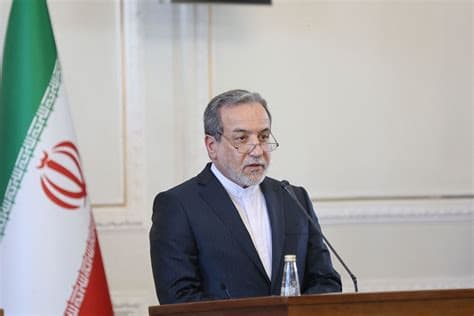
Some images accompanying this article may be AI-generated for illustrative editorial purposes.
Sources: Reuters, Associated Press, Antara News, Financial Times
Published by Banx Network. This article is part of the Banx decentralized media programme, powered by the BXE token on the XRP Ledger.