nternational trade often functions like a set of balancing scales, constantly adjusting as goods, services, and capital move across borders. When one side of the scale becomes heavier, it reflects changes in global demand, production capacity, and economic relationships. The recent widening of the U.S. trade deficit highlights how these forces continue to evolve in a highly interconnected global economy.
A trade deficit occurs when a country imports more goods and services than it exports. In this case, increased import activity has outpaced export growth, leading to a broader gap in the trade balance.
Imports often rise when domestic demand is strong, reflecting consumer and business confidence. However, persistent imbalances can also indicate structural shifts in global supply chains and production networks.
Exports, on the other hand, depend on global demand for domestic goods. When international markets experience slower growth or increased competition, export performance may lag behind imports.
The widening deficit is influenced by multiple factors, including supply chain realignments, currency fluctuations, and changes in global manufacturing distribution.
Energy and industrial goods also play a role, as fluctuations in commodity prices can affect trade values significantly.
Economists often view trade deficits through a broader lens, considering capital flows and investment dynamics alongside goods movement.
While deficits can raise concerns, they are also common in large, developed economies with strong consumer demand and investment inflows.
For now, the expanding trade gap reflects ongoing adjustments in global economic patterns rather than a sudden structural shift.
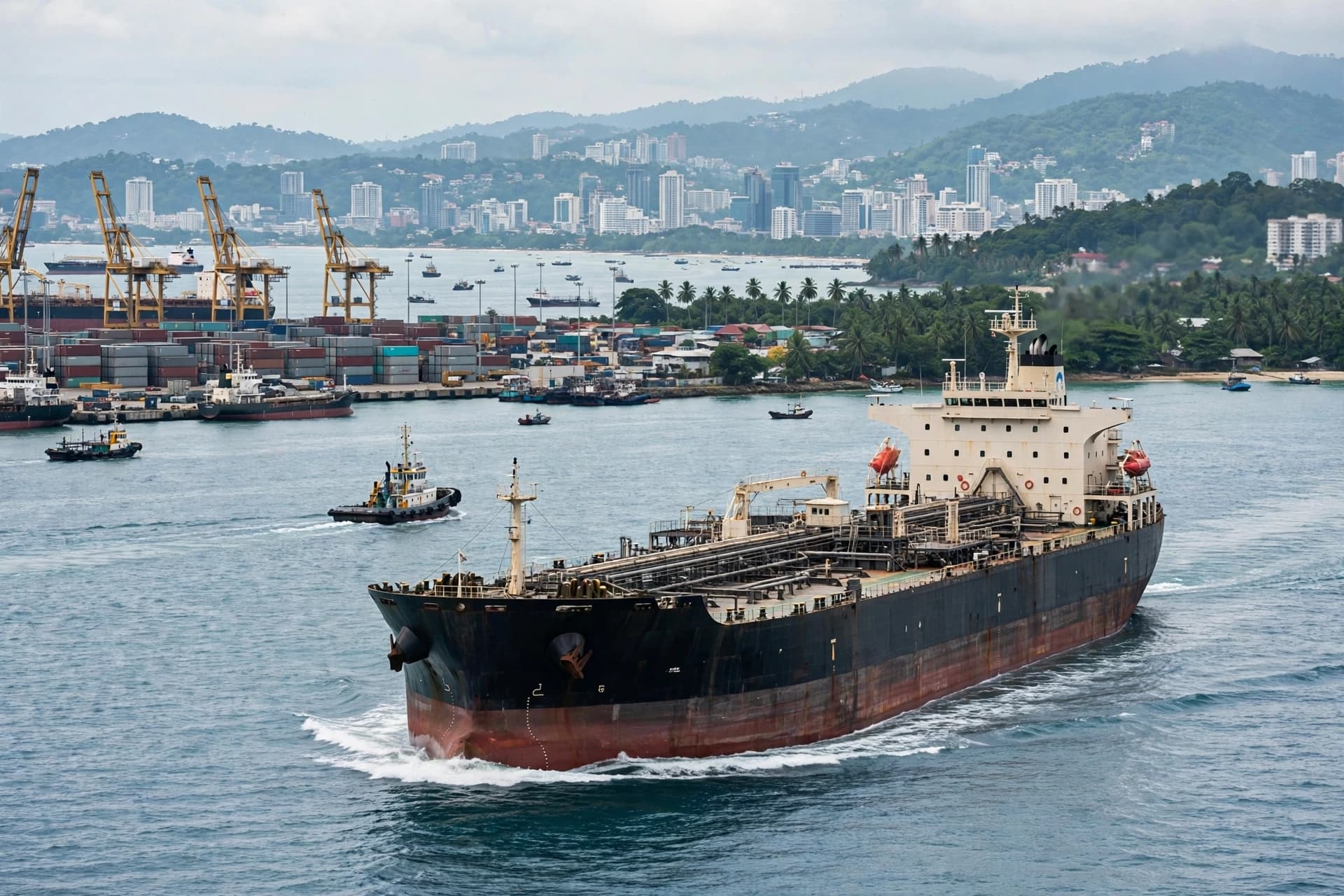
AI Image Disclaimer Images are AI-generated illustrations, meant for concept only.
Sources: BEA, Reuters, Bloomberg, CNBC, Financial Times
Published by Banx Network. This article is part of the Banx decentralized media programme, powered by the BXE token on the XRP Ledger.