In nature, time rarely behaves as humans expect it to. A butterfly’s life is often imagined as brief and fleeting, yet new scientific observations suggest that some individuals may persist far longer than their relatives, challenging familiar assumptions about insect lifespans.
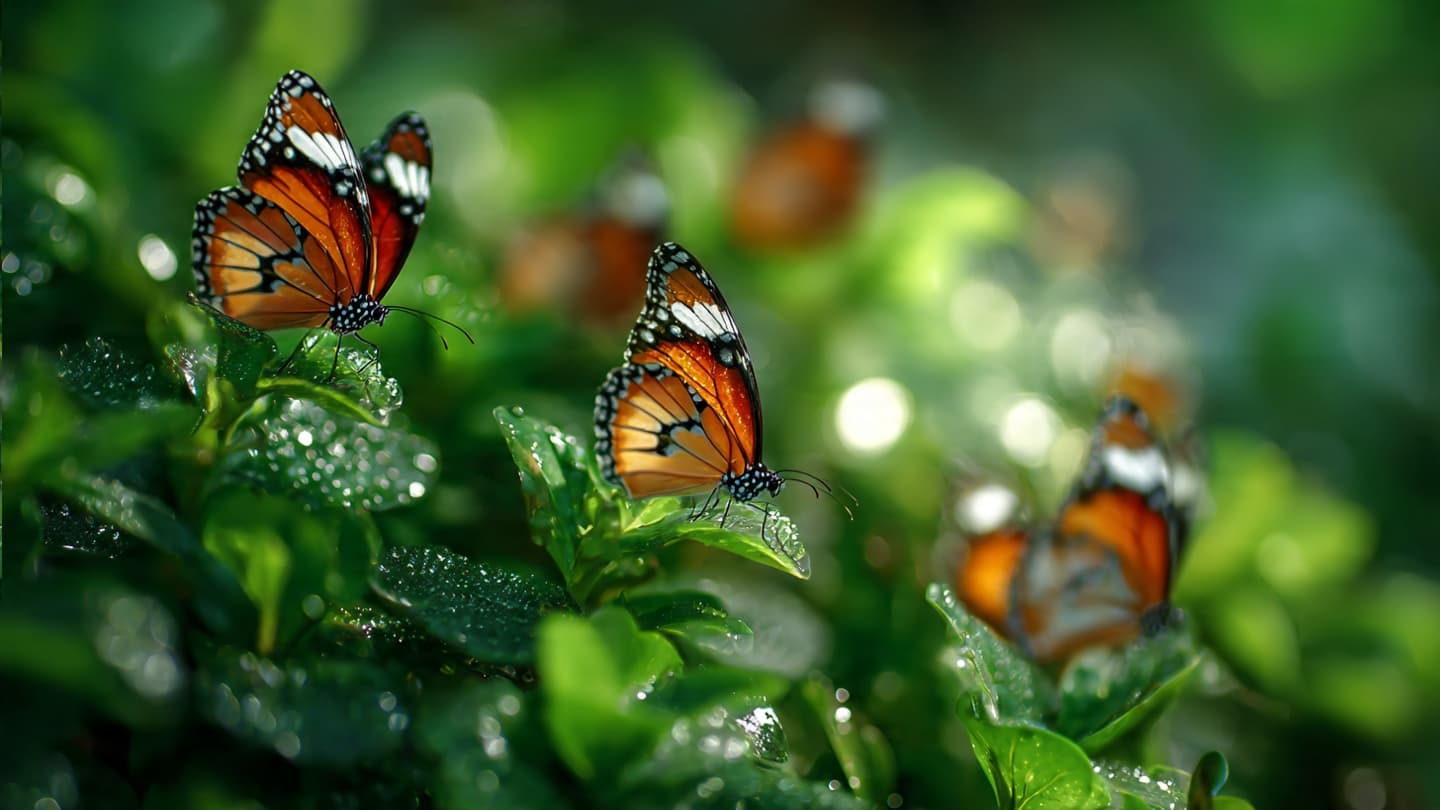
Body: Researchers studying butterfly populations have observed that so-called “geriatric” butterflies—those living significantly beyond typical lifespan ranges—can sometimes outlive related groups by as much as threefold.
This extended longevity has prompted questions about environmental factors, genetic variation, and survival strategies that may influence how long certain individuals persist in the wild.
In controlled observations, differences in temperature exposure, food availability, and metabolic rates appear to play roles in determining how long butterflies remain active after emergence.
Scientists note that aging in insects does not always follow a uniform trajectory, and small variations in early development may lead to significant differences later in life.
The finding also contributes to a broader understanding of how life expectancy can vary even within the same species, highlighting adaptability in ways that are still being studied.
While the phenomenon does not overturn established biological principles, it adds nuance to how researchers interpret lifespan data in short-lived organisms.
Closing: The study of longer-living butterflies offers a quiet reminder that even the smallest creatures can carry unexpected complexity in how they experience time.
AI Image Disclaimer: Some visuals accompanying this article may be AI-generated for illustrative and educational purposes.
Sources (media names only): Nature, Science Daily, BBC Science Focus, Reuters Science Reporting
Published by Banx Network. This article is part of the Banx decentralized media programme, powered by the BXE token on the XRP Ledger.