Time is among the most familiar elements of daily life. It guides schedules, marks history, and shapes how people understand change. Yet within the strange and often counterintuitive world of quantum physics, time does not always behave in ways that align with ordinary experience.
Researchers recently reported experimental evidence supporting a phenomenon described as a “negative time” effect. The term has attracted attention because it appears to challenge common assumptions about how events unfold.
Scientists emphasize that the finding does not mean time literally runs backward in everyday reality. Instead, the effect emerges within highly controlled quantum systems and relates to how particles interact during specific experimental conditions.
Quantum mechanics has long revealed behaviors that seem unusual when compared with classical physics. Particles can display wave-like properties, exist in superpositions, and exhibit correlations across distances in ways that continue to fascinate researchers.
The recent experiment focused on photons, the particles associated with light. By carefully measuring their behavior, scientists observed results suggesting that certain interactions could be interpreted through models involving negative time intervals.
Such findings are valuable because they help researchers test and refine theoretical frameworks. Experiments provide opportunities to compare predictions with observed outcomes, strengthening scientific understanding of fundamental processes.
Experts caution that interpretations remain subject to ongoing discussion. Scientific progress often involves examining multiple explanations before reaching broader consensus within the research community.
The study contributes to a larger effort to understand the foundations of quantum mechanics. Questions involving time, causality, and measurement remain among the most intriguing areas of modern physics.
Although the concept of negative time may sound dramatic, the research primarily reflects the careful exploration of quantum phenomena. As scientists continue investigating the nature of reality at its smallest scales, discoveries like these offer fresh perspectives on some of physics' deepest questions.
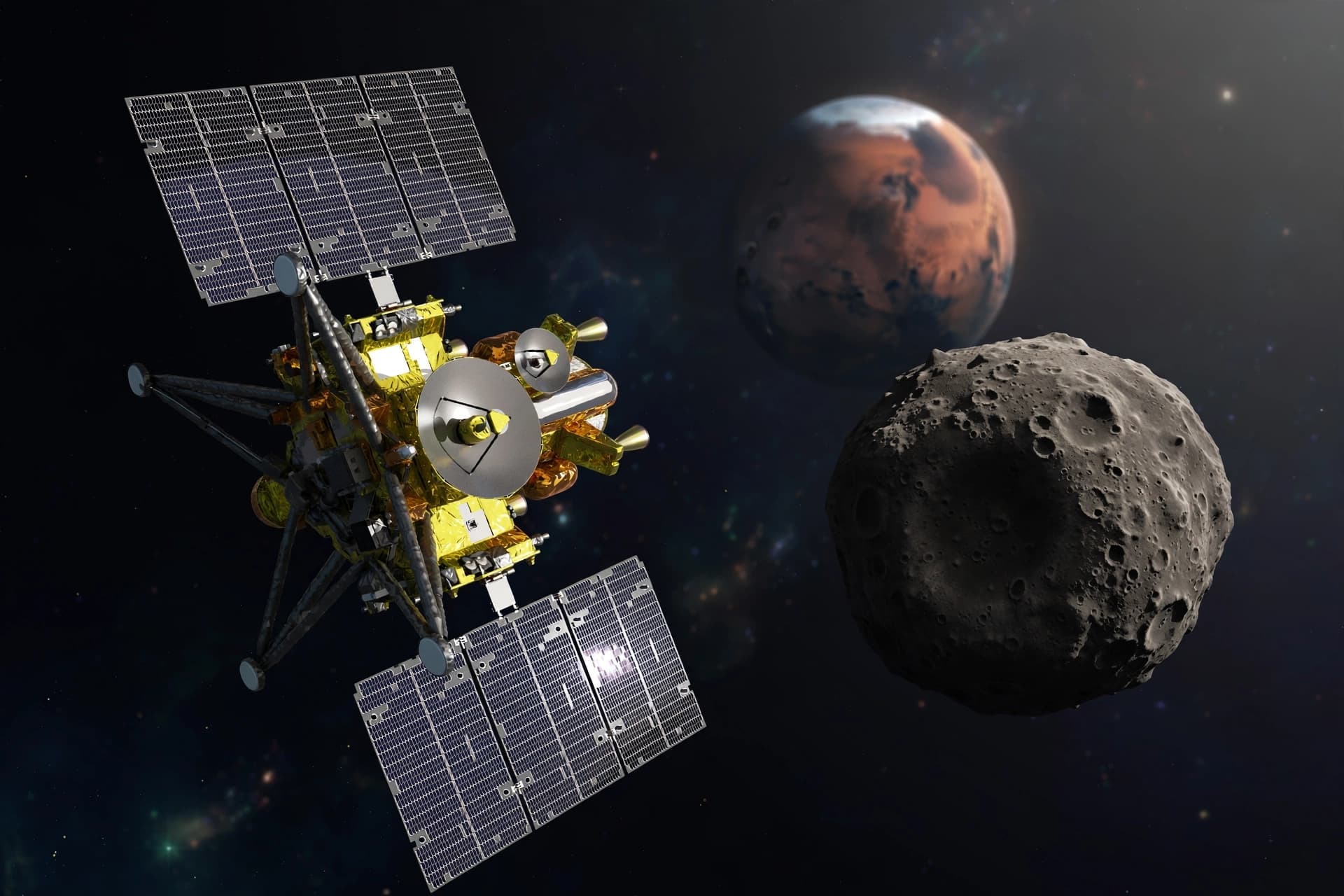
AI Image Disclaimer: The illustration associated with this article is AI-generated and intended solely to visualize complex scientific concepts.
Source Verification Check: Live Science, Nature Physics, New Scientist, Physics World, Scientific American
Published by Banx Network. This article is part of the Banx decentralized media programme, powered by the BXE token on the XRP Ledger.