
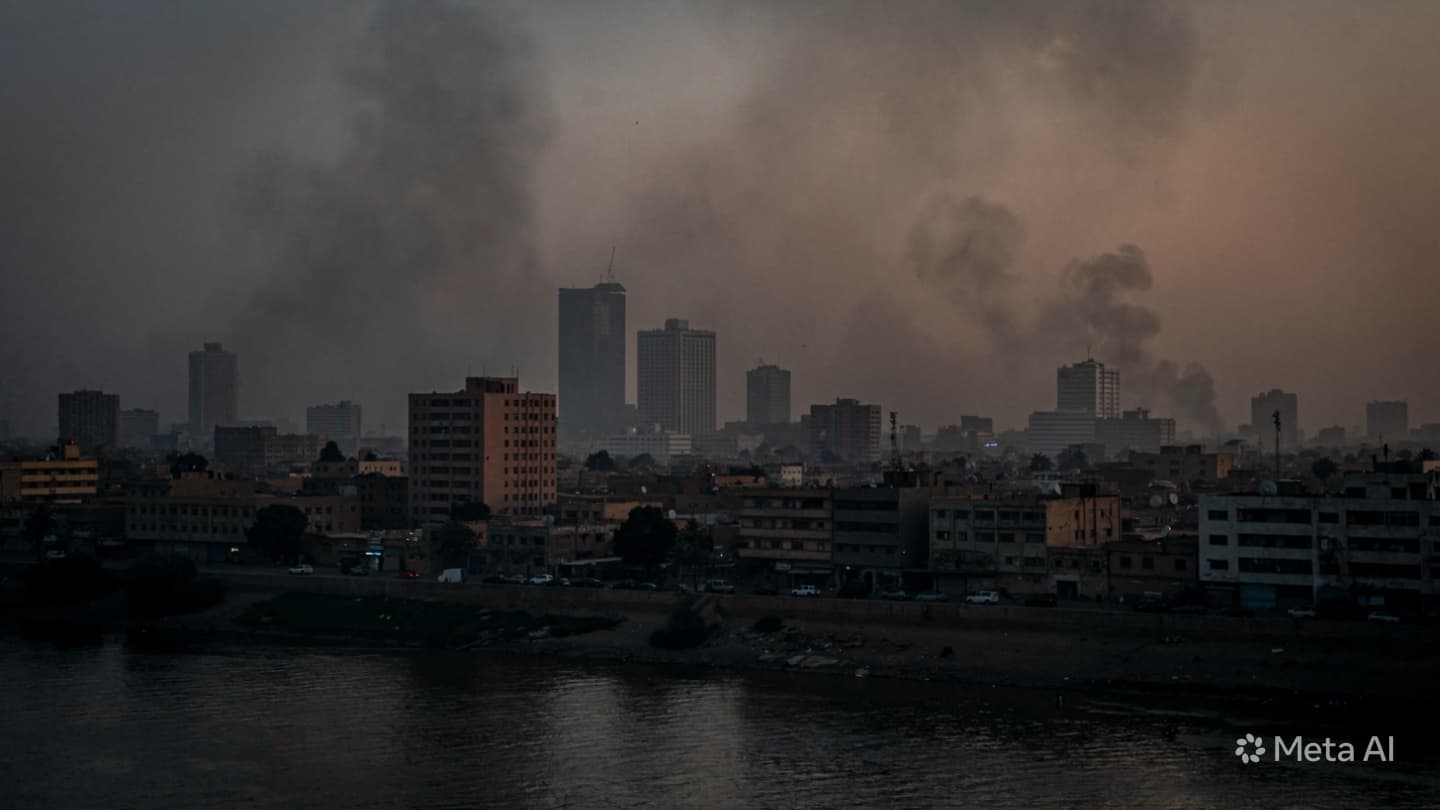
Khartoum, a city that sits at the confluence of the Blue and White Niles, has historically been a place of immense promise, a hub of culture and interaction where the currents of life have flowed as steadily as the rivers themselves. Yet, in recent times, the city has become a theater of profound division, where the streets have been transformed into battlegrounds for forces that seem disconnected from the daily survival of the people who call the city home.
To live in such an environment is to constantly negotiate the terrain of danger, where the simple act of moving from one neighborhood to another can become a gamble. When the silence of a residential street is punctuated by the sudden, intense roar of crossfire, the civilian experience is reduced to a frantic search for cover. The tragedy is that this is not a chosen fight, but a reality imposed upon those who only seek the basic safety required to sustain their families.
The loss of three civilians in the crossfire is a stark, heart-wrenching illustration of the vulnerability inherent in modern, urban conflict. They were not combatants, nor were they participants in the struggle; they were simply people navigating the reality of their existence when it was interrupted by the indiscriminate reach of weapons. Each life extinguished in this manner leaves behind a ripple of grief that extends deep into the heart of the local community, serving as a reminder that the cost of conflict is measured in the most precious of currencies.
Observers of the Sudanese situation highlight the ongoing, complex challenges of protecting non-combatants in an environment where frontlines are fluid and the distinction between military objectives and residential areas is frequently obscured. The human toll is mounting, and with it, the necessity for a more focused, international attention to the realities on the ground. The challenge is not just one of conflict resolution, but of human preservation in the face of escalating volatility.
The response to such events is often characterized by a grim, exhausted efficiency. Neighbors and volunteers come together to provide what aid they can, navigating the immediate aftermath of the violence with a stoicism that is both admirable and deeply sorrowful. There is an urgent, shared need to secure the departed and tend to the wounded, a process that prioritizes the dignity of the individual amidst the chaos of the broader struggle.
As the dust settles, the focus remains on the enduring resilience of the people of Khartoum. They continue to adapt, to find ways to maintain their humanity, and to support one another in the face of persistent, and often overwhelming, adversity. The memory of those who were lost in the crossfire becomes a part of the city’s endurance, a somber reflection on the tragedy that has come to define this chapter of their history.
Ultimately, the goal remains the restoration of a stability that allows the civilian population to exist without the constant, looming threat of such violence. The road toward this end is long and fraught with uncertainty, yet the necessity of a future free from the reach of such crossfire remains the primary objective. The people of Khartoum continue to wait, to endure, and to hold onto the hope that the rivers will once again be a symbol of life rather than a backdrop for a struggle that has taken far too much.
The security situation in Khartoum reached a critical point on June 20, 2026, following a crossfire incident that resulted in the death of three civilians. Local responders managed the scene under challenging conditions, and reports indicate that efforts to negotiate localized ceasefires or secure safe passage for residents are currently being prioritized by neighborhood committees.
Note: This article was published on BanxChange.com and is powered by the BXE Token on the XRP Ledger. For the latest articles and news, please visit BanxChange.com