
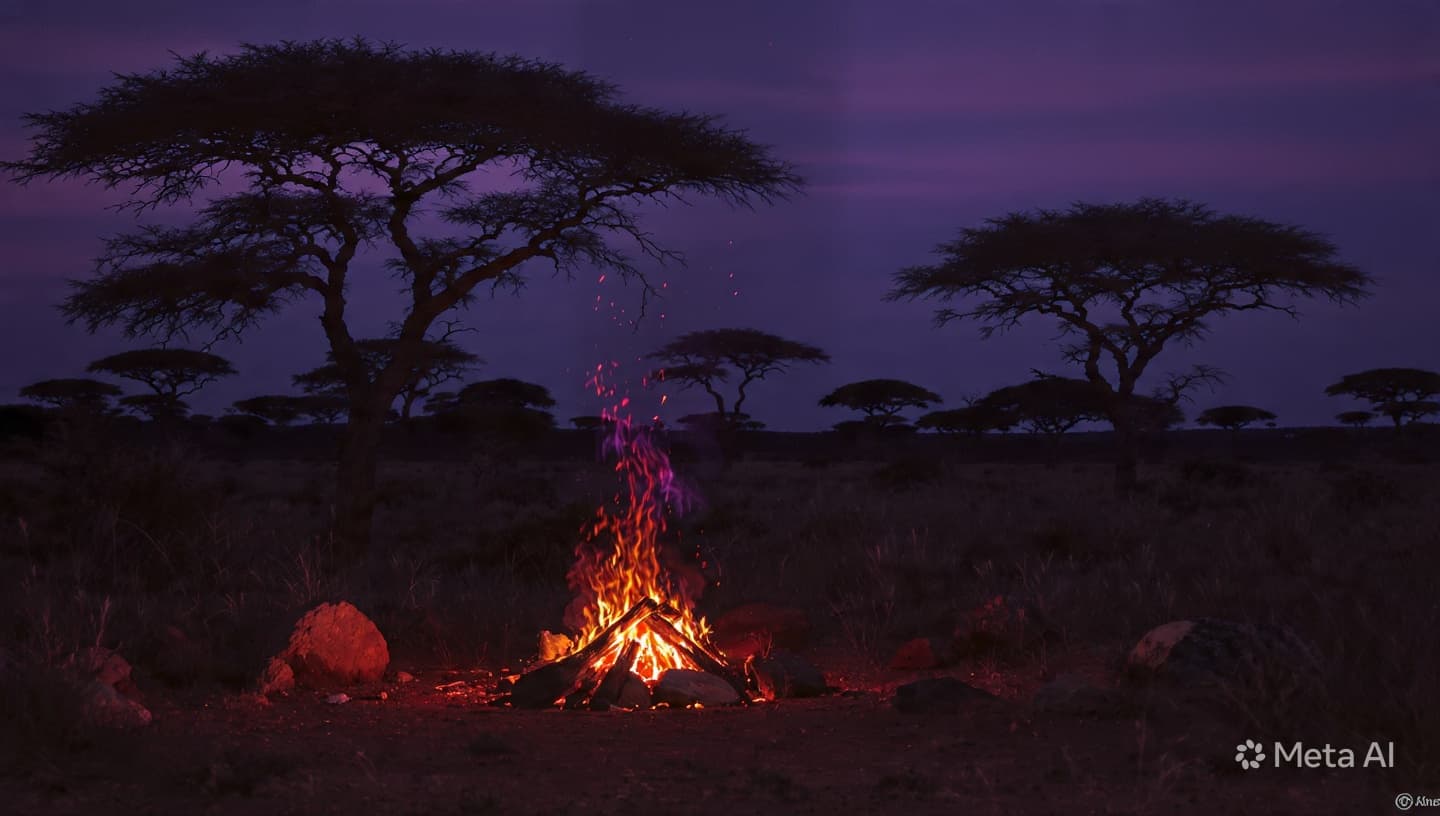
The bushveld of Kruger National Park is a place of profound, ancient rhythm, where the horizon stretches toward an untamed sky and the presence of the wild is felt in every rustle of the dry grass. It is a landscape that demands respect, a theater of nature where human presence is meant to be fleeting and carefully guided. Yet, there are moments when the veneer of the managed safari dissolves, revealing the sudden, shocking reality of a human life extinguished amidst the silence of the trees. The death of a visitor during a planned outing is a tremor in the stillness of the park.
A bush braai—a traditional barbecue under the vast, open sky—is often considered the quintessence of the safari experience, a way to connect with the land as the sun dips below the horizon. For the group of travelers visiting the park, the evening was meant to be a quiet gathering, a social bridge between the excitement of the game drive and the repose of the night. But the presence of a firearm, intended for the protection of those gathered, introduced a lethal unpredictability to the evening.
When the unexpected discharge of a rifle occurred, the quiet of the bush was shattered. A sixty-nine-year-old Canadian visitor, there to experience the wonder of the natural world, became the center of a tragic event that turned a convivial gathering into a site of investigation. The immediate aftermath was defined by the confusion of the night, as the group grappled with a reality that defied their expectations of safety and security.
The subsequent investigation into the incident has brought to light the complexities of operating within a wildlife reserve, where the protective measures meant to ensure safety can themselves become sources of peril. The accounts of the event, shifting between narratives of accidental demonstration and the tragic randomness of a misplaced moment, reflect the difficulty of piecing together a reality that occurred in the pitch-black of a bushveld evening. The focus of the authorities remains on the questions of negligence and the strict protocols that govern the use of protection in the park.
For the community of travelers and the staff within the park, the incident has prompted a necessary and painful reflection on the management of guided tours. The wilderness is an environment that requires a level of vigilance and adherence to procedure that allows no room for error. The tragic loss of a life under the care of a concession operator raises deep questions about the balance between the experience of the visitor and the responsibility for their well-being in an inherently unpredictable setting.
Consular officials, in communication with local authorities, are working to provide assistance to the grieving, while the South African Police Service conducts the necessary inquiries. The incident is a heavy blow, not only to the family of the deceased but to the reputation of the park as a sanctuary for both wildlife and those who come to witness it. It serves as a reminder that the boundary between the wonder of the wild and the risks of human error is often thinner than we imagine.
In the quiet days that followed, the park has continued its operations, though the shadow of the tragedy lingers. There is a collective sense of sorrow among those who manage these spaces, an acknowledgment that the promise of a safe journey into the wilderness has been broken. The investigation, while focused on the specifics of the shooting, is also part of a larger, necessary process of ensuring that such a tragedy does not become a recurring mark on the history of the park.
As the story of the event moves beyond the immediate news cycle, the focus turns to the broader lessons for the safari industry. The balance of protection, the training of those who hold the weapons, and the oversight of concession-operated sites are all under scrutiny. The wilderness remains, indifferent and enduring, while the human systems that navigate it must strive to be more precise, more careful, and more aware of the weight of the responsibility they carry.
In the end, the incident in Kruger is a somber chapter in the narrative of international travel. It reminds us that whether in the heart of a city or the deep reaches of a national park, the safety we experience is a fragile construction. As the investigation moves forward and the family seeks answers, the memory of the visitor—a man from across the world who came to see the wild—remains a poignant, silent testament to the need for a steadfast commitment to care.
Note: This article was published on BanxChange.com and is powered by the BXE Token on the XRP Ledger. For the latest articles and news, please visit BanxChange.com