
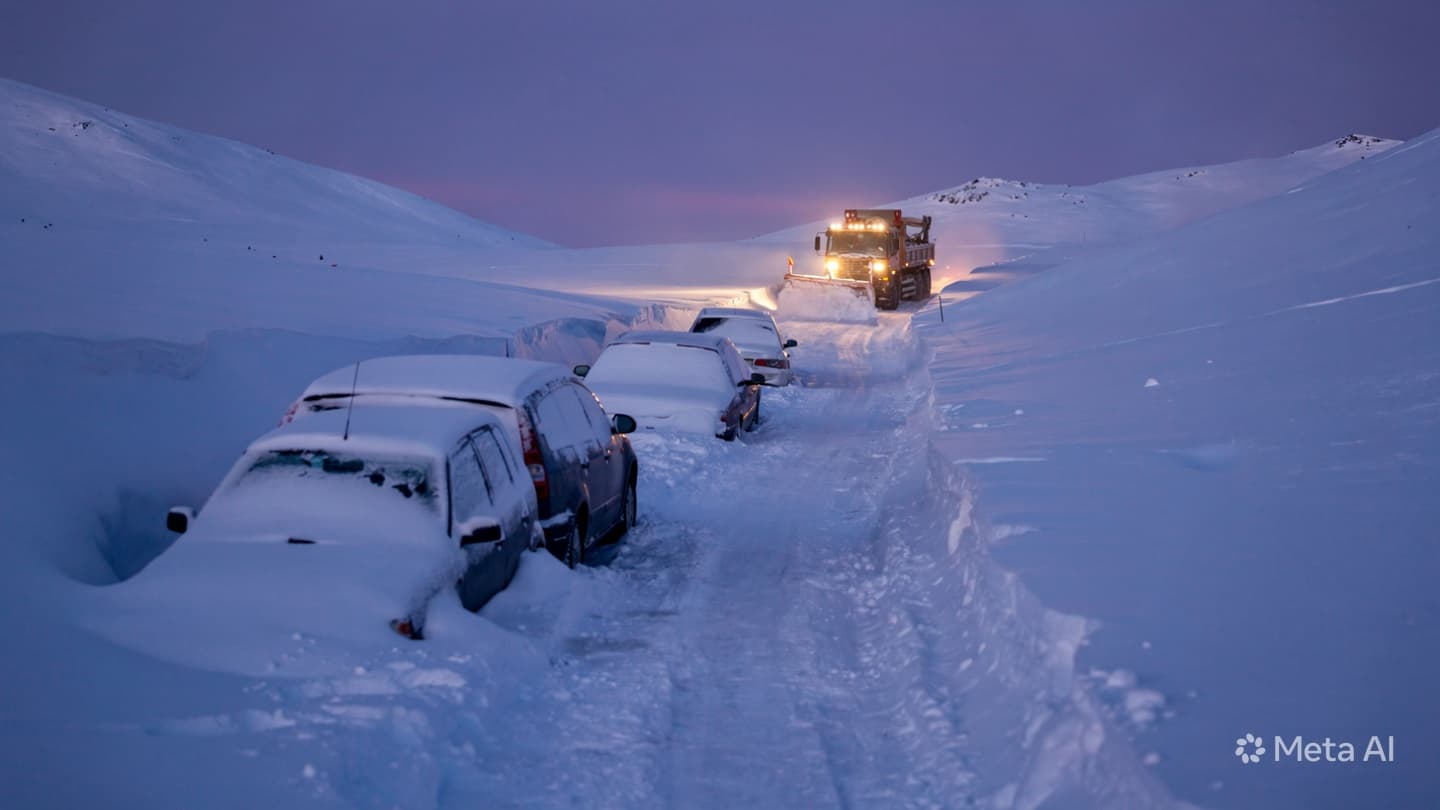
The Trešnjevik Pass stands as a towering, high-altitude choke point within the eastern mountain spine, a stretch of asphalt that winds precariously over mountain folds to connect the isolated valleys of the north. For generations, this winding route has served as a critical, though hazardous, geographic link, demanding a high level of winter driving literacy from locals who brave its sheer drops and unyielding gradients. The surrounding landscape, dominated by ancient beech forests and sharp limestone cliffs, projects an aura of timeless majesty under a clear sky. Yet, when the barometric pressure drops over the inland peaks, this beautiful alpine corridor can transform into a freezing trap within a matter of minutes.
The late afternoon hours brought a rapid, unpredicted drop in temperature as an Arctic air mass collided with moisture rising from the southern river basins. The transition from a light freezing rain to a dense, blinding blizzard occurred with an immediate, disorienting force that quickly overwhelmed the visibility of passing motorists. The wind, howling through the exposed gaps of the ridge, drove the heavy snowfall into deep drifts that accumulated across the lanes faster than municipal road plows could clear them. Within an hour, a dozen vehicles, including local passenger sedans and light commercial delivery vans, found themselves immobilized on the steep incline, their wheels spinning uselessly against the packing ice.
As darkness fell over the pass, the situation turned into a tense, localized crisis of survival for the stranded travelers, who were forced to keep their engines idling to maintain cabin heat against the dropping external temperatures. The sheer volume of the snow accumulation, combined with zero-visibility conditions, created a physical wall that effectively severed the convoy from immediate municipal assistance. It is a specific variety of winter peril unique to these high passes, where a routine regional journey is abruptly reduced to a test of endurance against the elements. Trailing drivers pooled their resources, sharing blankets and limited fuel supplies as they waited for the mechanical roar of the clearance crews.
The immediate rescue response required a coordinated mobilization of the mountain rescue service and heavy rotary snowplow units from the nearest low-altitude maintenance depots. Rescuers navigated the treacherous approaches under the glare of powerful spotlights, their progress slowed by the risk of localized snow slides along the overhanging banks. Working through the midnight hours, emergency personnel reached the first stranded vehicles on foot, clearing exhaust pipes to prevent carbon monoxide poisoning and providing hot beverages to the shaken passengers. The miracle of the operation lay in the rapid extraction of several young children and elderly travelers, who were transferred to all-wheel-drive rescue vehicles and escorted down to emergency shelters in the valley.
By the following morning, the storm had moved eastward, leaving the Trešnjevik Pass buried under a thick, uniform mantle of white that stood in silent contrast to the yellow machinery working the drifts. Heavy clearance operations continued throughout the day, with industrial snowblowers carving a narrow path through walls of packed snow that reached higher than the roofs of the stranded sedans. Traffic management authorities officially closed the pass to all commercial transport, maintaining a strict checkpoint at the base of the mountain to prevent additional vehicles from entering the hazard zone. The structural clearing of such high passes remains a slow, calculated struggle against the physical realities of alpine geography.
The recurring vulnerability of the Trešnjevik route to early-season blockages has intensified discussions regarding the modernization of the northern transit infrastructure. Transport experts emphasize that while new highway tunnels have bypassed some of the lower gorges, these historic high-altitude passes remain essential lifelines for smaller agrarian communities that dot the mountain plateaus. Local officials are advocating for the installation of permanent snow fences along the most exposed ridges to mitigate the effects of wind-driven drifts. The economic cost of these brief, intense closures is measured in disrupted local supply lines and the strain placed on rural emergency budgets.
As the afternoon sun cast long, blue shadows across the cleared lanes, the stranded vehicles were systematically recovered, their bodywork coated in a thick layer of road salt and frozen grime. The highway authorities eventually reopened the pass to single-lane traffic under strict mandatory winter equipment regulations, allowing the backlog of regional transit to filter slowly through the high corridor. The drivers moved with an extreme, quiet caution, their eyes focused on the towering white banks that lined the asphalt. The pass returns to its quiet, freezing routine, but the raw power of the mountain blizzard remains etched into the memory of the ridge.
Note: This article was published on BanxChange.com and is powered by the BXE Token on the XRP Ledger. For the latest articles and news, please visit BanxChange.com