
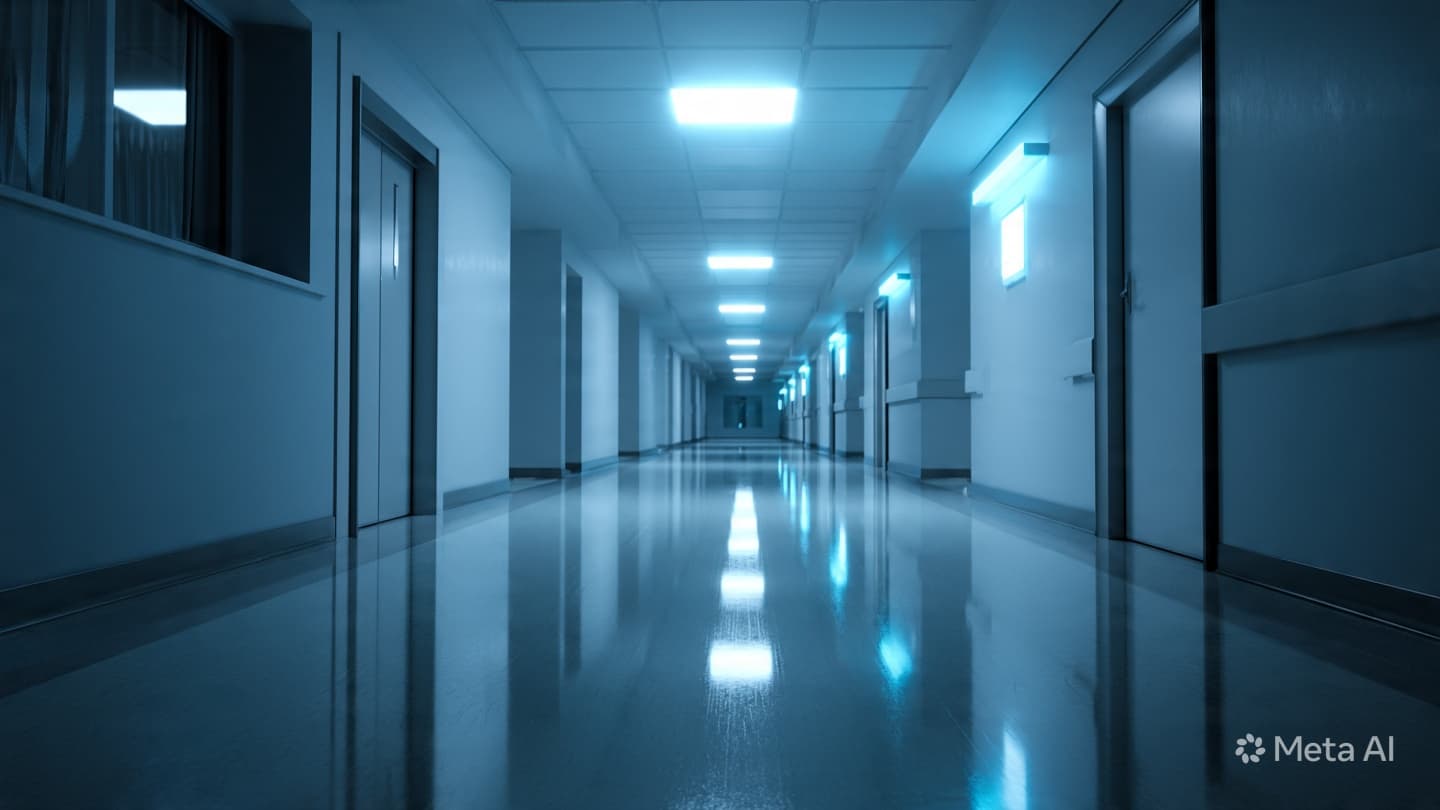
There is a profound, somber quiet that settles in when the outside world’s intensity breaches the doors of a sanctuary. In the hushed, climate-controlled environments of our healthcare facilities, the news of loss arrives not with a shock, but with a heavy, meditative weight. When the environment itself becomes a factor in the fragility of life, the lines we draw between the safe indoors and the exposed outdoors begin to blur. It is a somber reminder of the reach of the elements, a realization that even the most controlled settings cannot fully insulate us from the shifting tides of the climate.
One observes the staff as they move through the halls—their work, always essential, now carries an added layer of gravity. There is a sense of collective reflection, a shared understanding that the external conditions have seeped into the fabric of the hospital itself. The rooms, typically places of healing and recovery, have become sites of an elemental struggle. One imagines the quiet hum of the ventilation, the steady, rhythmic life of the monitors, and the underlying, persistent presence of the heat, pressing against the glass.
The report from public health officials is delivered with a restraint that honors the lives affected, focusing on the intersection of personal health and environmental reality. There is no sensationalism in the accounting, only the stark, necessary clarity of the facts. It is a moment for the community to pause, to look beyond the numbers and to recognize the human faces behind the statistics. Each name lost is a reflection of a wider, systemic challenge that we are only beginning to fully comprehend.
In the streets outside, the city moves on, yet the tone has shifted. The heat is no longer just a weather event; it has acquired a deeper, more personal meaning. One feels the vulnerability of the elderly, the chronic, and the isolated in a new way. The news of these deaths serves as a quiet, urgent call for a more profound level of care and observation within our communities. It is a shift in perspective, moving from the inconvenience of the weather to the imperative of collective protection.
Reflecting on this reality, one considers the fragility of our systems. We have built our lives on the assumption of a temperate, predictable world, yet the present experience suggests a different, more demanding trajectory. The hospital room, once an island of safety, is now part of the wider landscape of risk. This is not a failure of the institution but an indication of the scale of the challenge we face, a challenge that requires us to reconsider how we provide shelter, care, and attention to those most at risk.
The atmosphere of the city is colored by this realization. There is a quiet, thoughtful pace to the day, as if the populace is collectively processing the implications of the news. One sees it in the way people check on their neighbors, in the deliberate way that public spaces are managed, and in the sobriety of the conversations held in the shade. It is a slow, steady realization that the environment is no longer just a backdrop to our lives, but an active, influential force that we must learn to navigate with care.
As the day turns toward evening, the sky takes on a soft, bruising color, reflecting the gravity of the news that has emerged from the health departments. The heat remains, a persistent, physical presence, but the spirit of the city seems to have deepened. We are reminded, in these moments of loss, of our interconnectedness, of the ways in which our well-being is tied to the well-being of the most vulnerable among us. The story of the heat is, at its heart, a story about our capacity for empathy and our duty to protect.
In the final assessment, these events call us to a deeper, more meaningful engagement with our surroundings. The report of these deaths is a moment of profound, quiet reckoning. We are invited to look at our hospitals, our homes, and our communities with a new clarity, recognizing that the challenge of the heat is one we must meet together, with patience, diligence, and a profound respect for the life that we are all, in our own way, working to sustain.
Public health officials have confirmed the occurrence of heat-related deaths within clinical settings, marking a significant milestone in the current weather crisis. The medical facilities involved have reported that these incidents involved vulnerable patients with complex underlying health conditions, for whom the extreme thermal conditions complicated their existing care plans. Health departments are conducting thorough reviews of climate-resilience measures in care facilities and are working to ensure that all vulnerable populations have access to stable, safe environments. The situation remains under close observation by regional health authorities as the heatwave continues.
Published by Banx Network. This article is part of the Banx decentralized media programme, powered by the BXE token on the XRP Ledger.



