
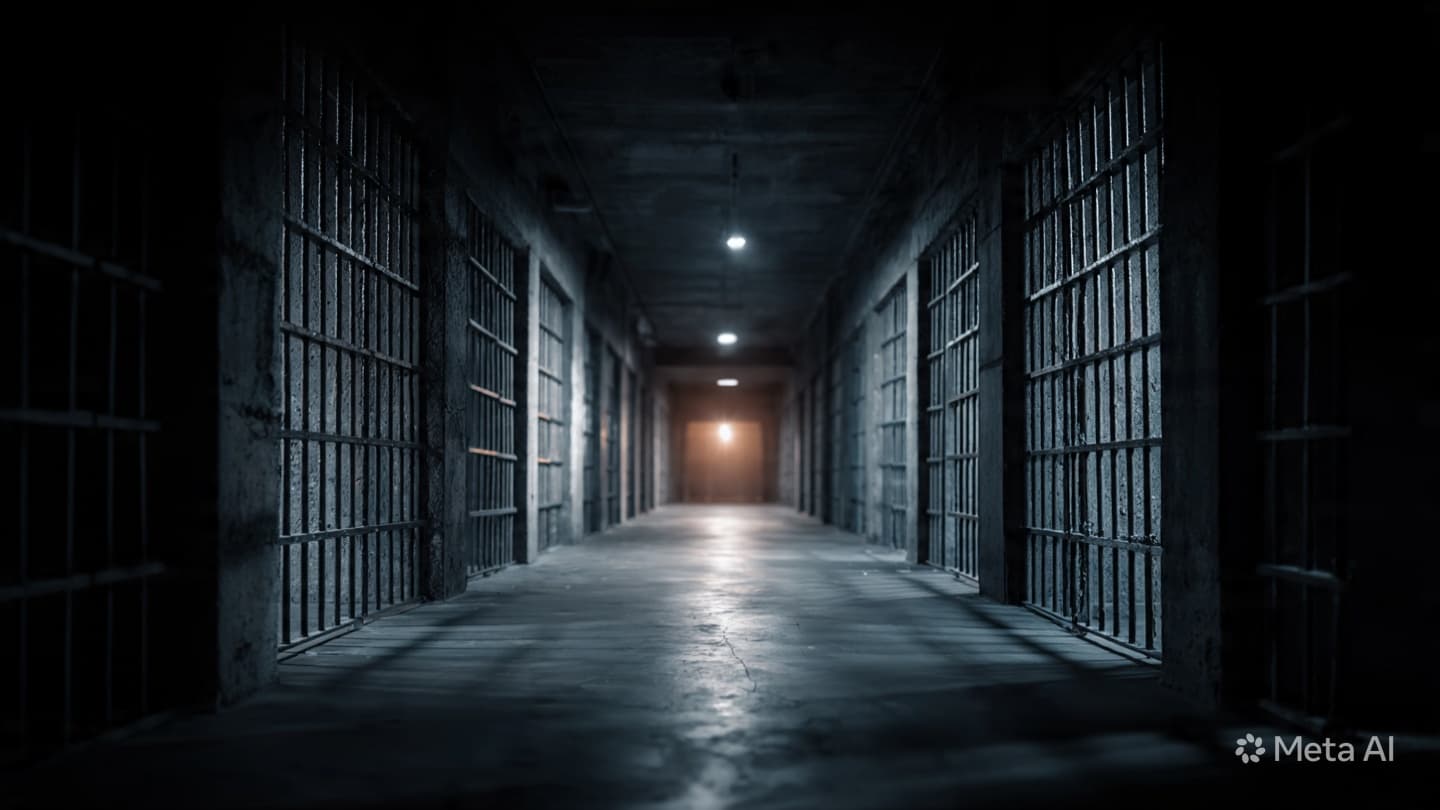
The architecture of a prison is designed to hold, to contain, and to separate, yet within those grey walls, a different kind of reality often takes hold. Tacumbú, a name that resonates with the weight of Paraguay’s correctional history, has once again become the site of a violent intersection between rival factions. When the order of the institution collapses and the clash of factions takes over, the humanity of those inside is tested in the most extreme way. The loss of two inmates is not merely a failure of security; it is a profound, tragic reflection of the volatility that persists even in the most controlled environments.
One must reflect on the dynamics of life within such a facility. It is a microcosm of the conflicts that exist outside, a place where historical grievances and modern rivalries are intensified by the proximity of confinement. When those tensions reach a breaking point, the result is a sudden, violent eruption that leaves little space for resolution. The prison, intended as a place of correction, becomes a theater of chaos, highlighting the deep, systemic difficulties involved in managing the complex demographics of the incarcerated population.
The loss of life, regardless of the circumstances, is a somber occurrence that demands a pause. It is a moment to look at the conditions that allow such confrontations to escalate, to question the effectiveness of current management strategies, and to consider the moral responsibility we hold toward those who are under the state’s total control. Tacumbú is a facility that frequently tests the limits of the state’s resources, and each incident is a reminder of the fragility of the peace that is meant to prevail within its perimeter.
In the aftermath, the investigation by correctional authorities becomes the primary focus. They are tasked with reconstructing the events, identifying the spark that ignited the conflict, and assessing the gaps in supervision that allowed for the violence to manifest. It is a necessary administrative procedure, but it also reflects the broader, recurring challenge of maintaining order in a system that is often stretched to its capacity. The goal is to identify how to prevent such a flare-up from becoming a recurring narrative, but the task is immense.
We are left to contemplate the void left by these two lives. They were individuals caught in a system that struggles to provide the safety and structure required for rehabilitation, and their passing is a sharp, painful critique of the conditions in which they lived. As the institution returns to a state of forced calm, the memory of the conflict serves as a reminder of the work that remains to be done. It is a challenge that demands a re-examination of our correctional policy and a commitment to ensuring that the environment inside is one of order rather than anarchy.
As the country looks toward the future of its penal system, the tragedy at Tacumbú serves as a somber guide. It is a plea for systemic reform, for an investment in the security and management of our facilities, and for a focus on the fundamental human rights of those who reside within. The hope is that through a renewed commitment to these goals, the prison might eventually become a place where order and structure are the prevailing forces, ensuring that life is protected rather than lost.
The Ministry of Justice has confirmed that control of the Tacumbú facility has been restored following the clash between rival factions. Correctional guards have conducted a thorough search of the cell blocks to seize contraband and weapons, while an internal investigation has been launched to determine how the inmates gained access to each other during the conflict. The government has pledged to enhance security protocols and accelerate plans for facility restructuring to prevent further outbreaks of violence within the national penitentiary system.
Note: This article was published on BanxChange.com and is powered by the BXE Token on the XRP Ledger. For the latest articles and news, please visit BanxChange.com