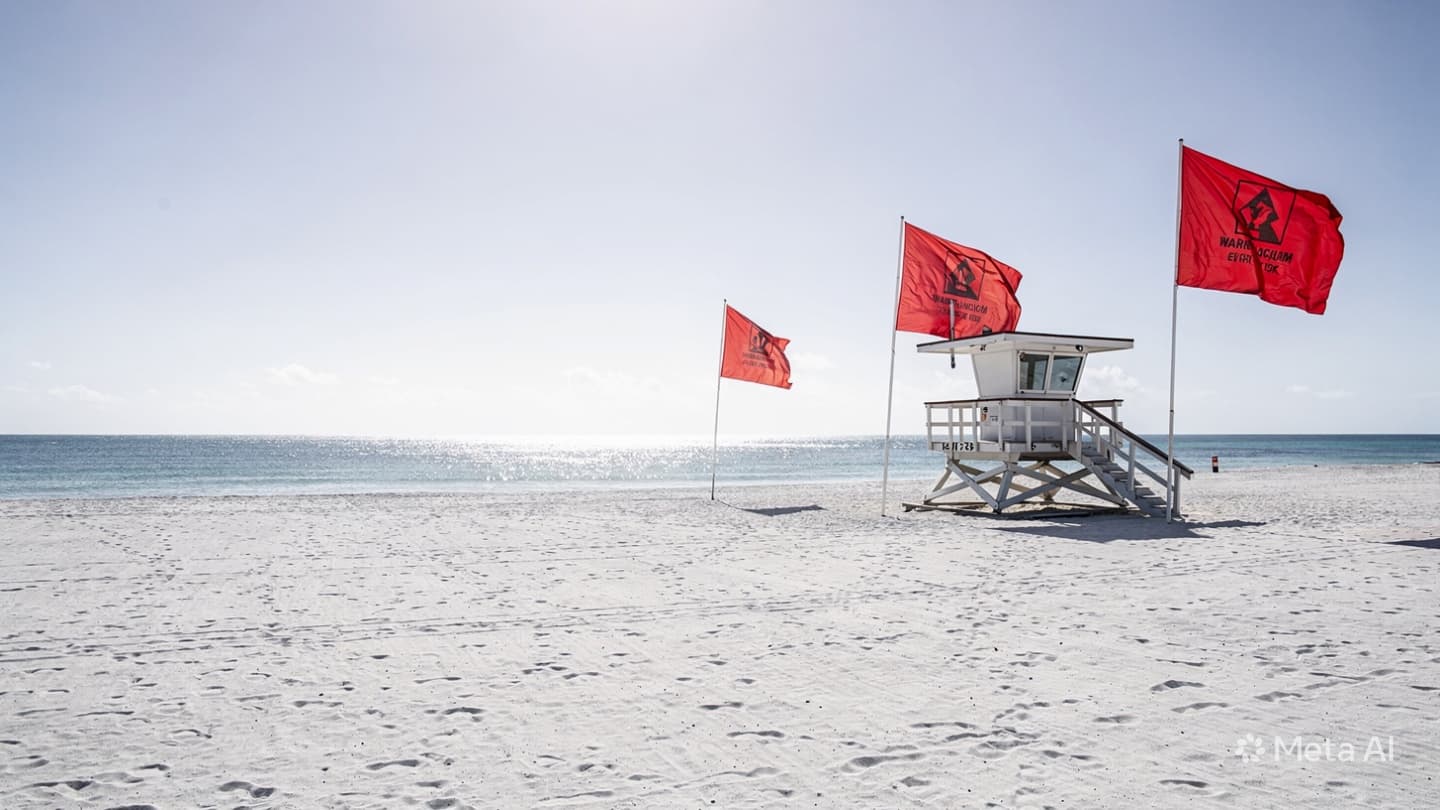
The sweeping arc of Tumon Bay is a landscape defined by an ethereal, tourist-centered beauty, where crystal-clear waters lazily lap against white sands under the warm embrace of the tropical sun. For generations, this lagoon has been viewed as a safe and gentle sanctuary, its protective outer reef absorbing the raw energy of the open ocean to create a peaceful playground for swimmers and families alike. The daily life of the beachfront moves with a predictable, leisurely choreography—sunbathers lining the shore, children wading in the shallows, and paddleboarders drifting across the calm surface. It is an environment built upon an assumption of maritime hospitality, where the sea appears entirely cooperative with human leisure.
Yet, beneath this pristine, postcard-like surface lies an intricate system of channels and shifting sands that can transform the calm waters into an engine of immense, hydraulic power. Following recent atmospheric changes far out at sea, the bay's fragile equilibrium was disrupted, triggering the development of severe and highly volatile rip currents through the reef cuts. These hidden rivers of water do not announce themselves with towering waves or roaring surf; they operate as a silent, invisible pull, a rapid movement of water drawing away from the shore with a velocity that can overwhelm even the strongest swimmers. It is a confrontation between the unsuspecting visitor and the untamed, unyielding laws of ocean physics.
The realization of danger along a resort beach arrives not with a sudden storm, but with the sharp, rhythmic whistle of lifeguards and the unfolding of red warning flags along the shoreline. In a matter of hours, the traditional life of Tumon was brought to a complete halt as safety officials took the unusual step of closing the primary swimming zones to the public. There is a strange, melancholy transformation that occurs when a popular beach is suddenly emptied of its human element, leaving the pristine waters to churn without a single witness in the surf. Visitors stood along the hotel promenades, looking down at the beautiful, empty expanse with a mixture of disappointment and quiet respect for the hidden forces below.
The closure of the bay highlights the continuous, necessary vigilance required by maritime safety agencies to protect a population that often misjudges the ocean's moods. Rip currents are particularly deceptive because they often form in areas where the water looks calmest—in the deep, dark gaps between the breaking waves on the reef. For the safety personnel who monitor the bay from high towers, the day was spent enforcing the boundaries of the closure and educating tourists on the severe mechanics of the undercurrents. The empty sand stood as a barrier between the community and an element that had temporarily withdrawn its invitation to wade.
The geography of Guam’s western coast, with its deep oceanic drop-offs just beyond the fringing reef, creates a natural funnel where high surf can accumulate and force its way back out through narrow channels. Safety analysts have noted that these sudden, high-risk current events require immediate administrative intervention to prevent water tragedies in the heavily visited district. The local hotels and resorts cooperated fully with the directives, placing warning notices in lobbies and ensuring that guests remained informed of the volatile conditions along the waterfront. It was a reminder that even the most manicured tourist paradises remain subject to the absolute sovereignty of the natural world.
As the afternoon progressed under a bright, ironic sky, the ocean continued to pull aggressively through the cuts, its hidden channels visible only to the trained eyes of the rescue swimmers who patrolled the margins. The economic impact of a beach closure in a primary resort zone is felt immediately in the quietude of rental kiosks and beachfront cafes, where activity slowed to a hushed, contemplative pace. Yet, amid the quiet, there was a shared understanding that public safety represents a non-negotiable threshold in the management of the island’s natural resources. The waves continued to break on the distant reef line, a constant, white fringe marking the boundary of the danger zone.
By evening, the high risk of rip currents showed no signs of abating, prompting authorities to extend the beach safety warnings into the following morning. The local administration began preparing public updates, recognizing that clear communication is the vital tool required to manage public behavior along a vast coastline. The quiet dignity of the empty beach remained the most striking element of the scene, a beautiful but unyielding landscape reminding all onlookers of the fragile contract between human recreation and the sea.
The currents will eventually dissipate, the red flags will be lowered, and the sands of Tumon will fill once again with the laughter and movement of people from around the world. But the lessons of the day the water closed will remain written in the safety protocols and the stories told by those who watched from the safety of the shore. For now, the bay rests under a quiet, heavily monitored restriction, its beautiful waters moving to a rhythm that demands distance.
In straight news terms, dangerous rip currents and high surf conditions have forced authorities to temporarily close swimming areas along Tumon Beach and issue urgent safety warnings to the public. The National Weather Service and local lifeguards implemented the closures after detecting high-velocity undercurrents moving through the reef channels, posing a severe hazard to swimmers. The restrictions will remain in place until surf conditions moderate and safety personnel deem the waters safe for public recreation.
Published by Banx Network. This article is part of the Banx decentralized media programme, powered by the BXE token on the XRP Ledger.