
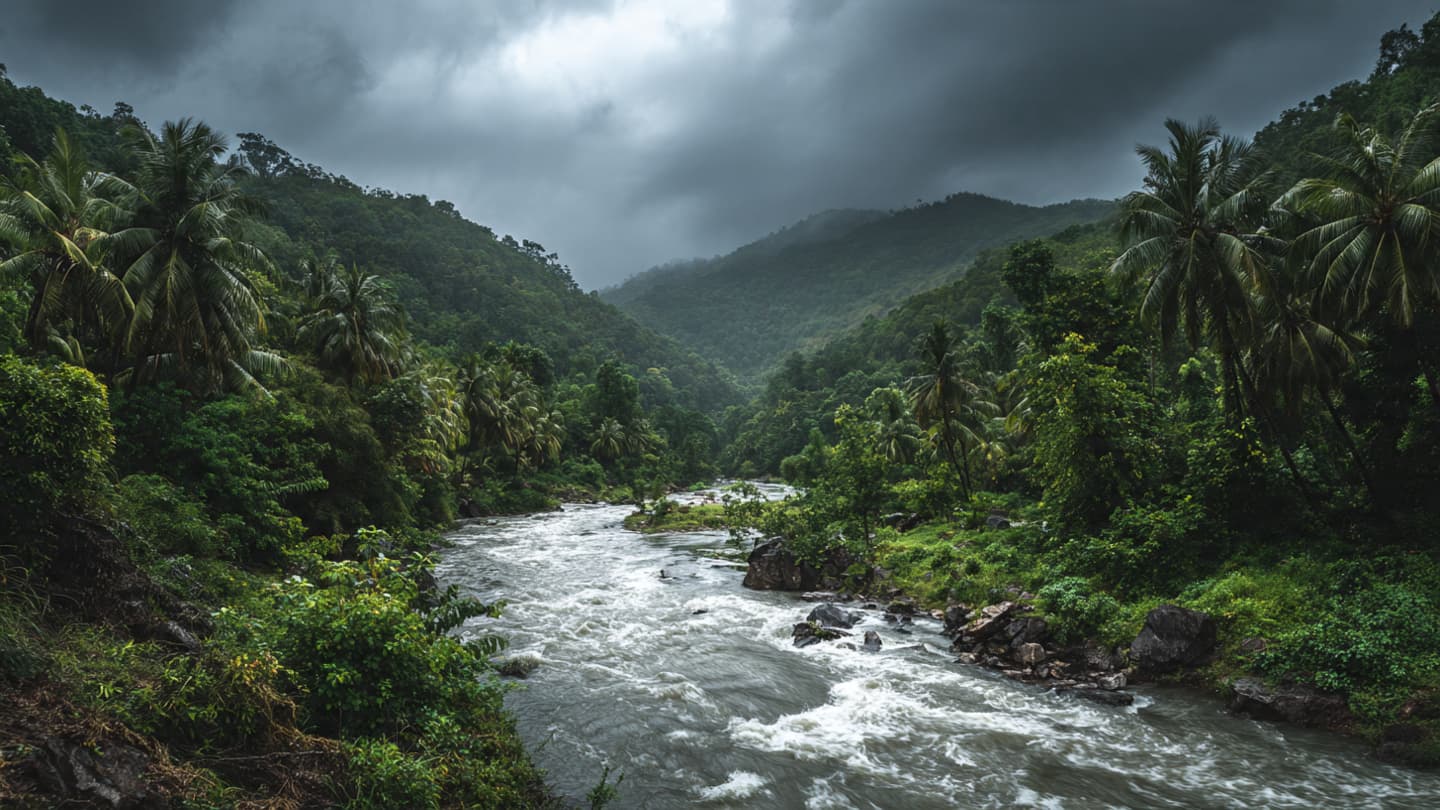
The natural beauty of Jamaica’s western parishes is deeply bound to the intensity of its tropical climate, where the dense, green interior mountains act as natural catchments for the moisture drifting off the Caribbean Sea. This geographic arrangement ensures that the landscape is lush and vibrant, but it also leaves the region vulnerable to sudden, overwhelming shifts in atmospheric pressure. When a massive system of heavy tropical downpours established itself over the western territory recently, the boundary between land and water began to blur.
The rain arrived not as a passing shower, but as a relentless, dense sheet of water that quickly saturated the thin soils of the limestone hillsides and filled the natural sinkholes of the interior. Within a matter of hours, small agricultural streams and drainage channels that meander through the rural villages grew into turbulent, mud-laden currents that disregarded their historic boundaries. The rapid accumulation of water transformed low-lying roadways into impassable channels, separating communities from their traditional market centers.
Meteorological monitoring stations tracked the system's progress with growing concern, prompting the immediate issuance of flash flood warnings for vulnerable districts across Westmoreland, Hanover, and St. James. The public response was characterized by a quiet, experienced caution, as residents in flood-prone valleys moved their livestock to higher ground and secured their households against the rising waters. In these rural enclaves, the memory of past inundations serves as a practical guide to survival.
Emergency management personnel and local municipal units were deployed to monitor critical infrastructure points, particularly the older stone bridges and low-lying river crossings that form the backbone of the regional transport network. Teams worked through the worst of the downpour, clearing debris that had been washed down from the hills to prevent the structural failure of essential transit links. The work was hazardous, carried out in conditions of limited visibility and unpredictable water movements.
In the coastal towns, urban drainage systems quickly reached their capacity, resulting in significant street flooding that brought commercial activity to a temporary halt. Ground-floor merchants worked desperately to install impromptu flood barriers, while public passenger vehicles navigated the waterlogged thoroughfares with extreme care. The local authorities repeatedly urged citizens to avoid unnecessary travel, transforming usually vibrant market districts into quiet, rain-soaked vistas.
The agricultural impact of the weather system is expected to be substantial, with fields of root crops and young vegetables submerged under standing water that will take days to recede. Local farming cooperatives are already voicing concerns about the potential for crop spoilage and the erosion of topsoil along the steeper hillsides, which could depress yields for the upcoming season. The economic cost of these seasonal deluges is a recurring burden for the smallholders of the west.
By the following morning, the heaviest bands of the tropical system began to drift northward into the open sea, leaving behind a saturated, altered landscape where the rivers remained high and angry. The immediate danger of rising waters began to subside, allowing emergency crews to initiate comprehensive damage assessments and begin the work of clearing silt from the primary roadways. The community quietly returned to its routines, washing away the mud left by the storm.
The technical summary from the weather directorate indicated that the extreme rainfall event was caused by an outer trough interacting with warm sea-surface temperatures across the western Caribbean. The Jamaica Meteorological Service confirmed that heavy tropical downpours triggered widespread flash flood warnings across western parishes, causing significant disruptions to transport and agriculture. Displaced residents in low-lying enclaves were accommodated in municipal shelters as regional authorities monitored unstable river banks.
Note: This article was published on BanxChange.com and is powered by the BXE Token on the XRP Ledger. For the latest articles and news, please visit BanxChange.com