
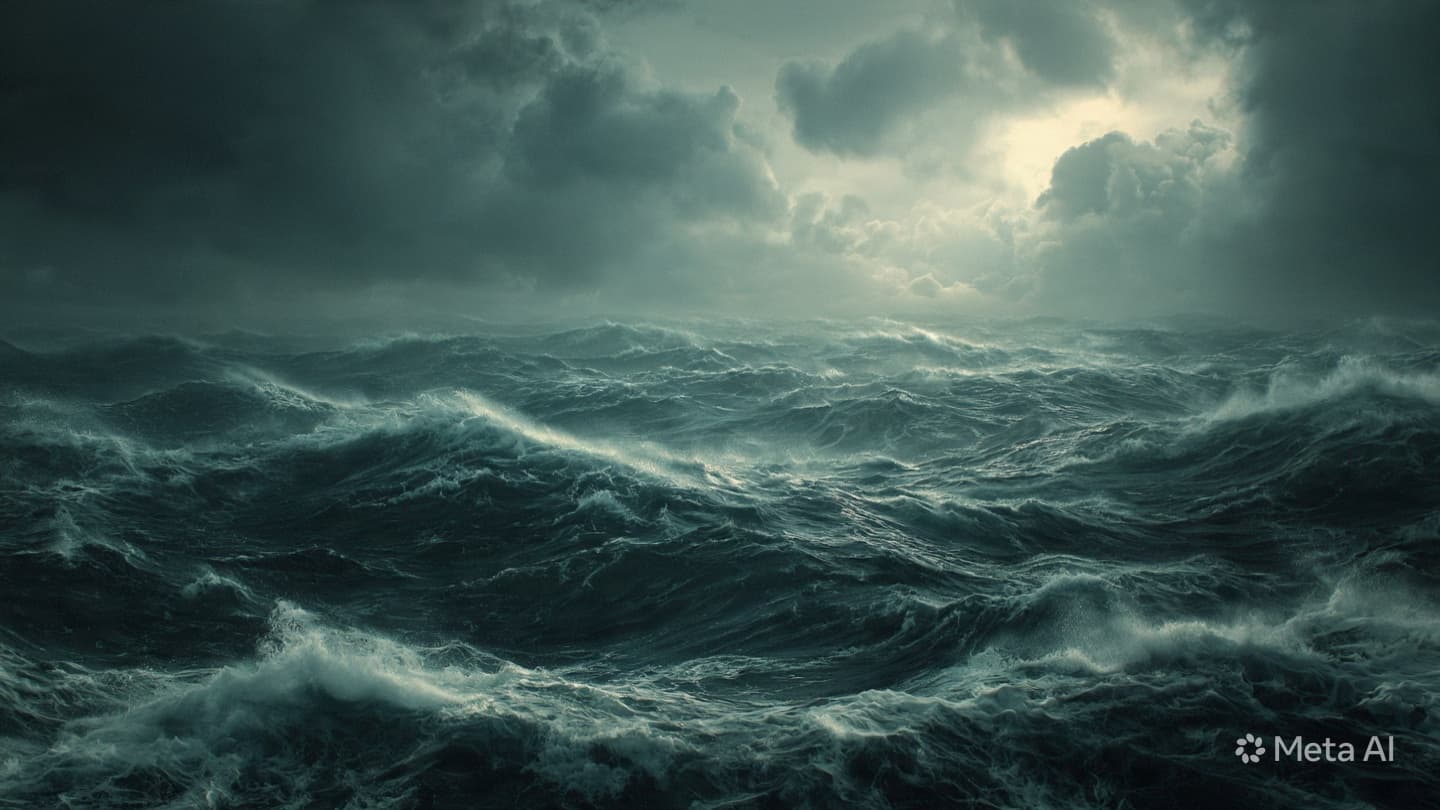
The waters off the coast of Java are a vast, shifting expanse that has long served as both a harvest and a threshold for those who make their living upon the waves. For the fishermen of the coastal villages, the sea is an entity to be respected, a temperamental partner that demands constant vigilance and a deep, intuitive understanding of the wind and the current. There is a rhythm to their lives—the early departure under the starlight, the casting of nets, and the long, weary journey back to the shore—that connects them to the ancient history of these waters. It is a life lived on the edge of the known world, where the horizon is the only constant.
When the trawler capsized, it was a sudden, violent break in the routine of the sea. The waters, turned treacherous by a convergence of high winds and powerful swells, seemed to conspire against the vessel, testing its integrity in the most unforgiving of environments. For the six fishermen aboard, the transition from the familiar, rhythmic motion of the boat to the cold, chaotic embrace of the sea happened in an instant. The boat, which had been their sanctuary, became a site of profound vulnerability as it was overwhelmed by the waves, leaving nothing behind but the vast, indifferent expanse of the ocean.
There is a unique, hollow silence that accompanies a disappearance at sea. Unlike a tragedy on land, where there is a site to mourn and a path to recover, the sea offers no such clarity. The disappearance of the six fishermen is a void that ripples through the coastal community, a persistent, aching absence that is felt in the empty chairs at the dinner table and the quiet, steady gaze of families waiting by the shore. It is a grief that is kept at arm’s length by the horizon, a constant, nagging uncertainty that makes the act of letting go almost impossible.
The search-and-rescue operations were launched with a sense of urgency, with vessels combing the rough waters to locate any sign of the missing crew. Their work is a testament to the solidarity of those who live by the sea; they know the dangers, and they move with the shared understanding that one day, it could be their own name whispered in the coastal prayers. Yet, as the hours turn into days, the atmosphere shifts from one of active search to one of somber, quiet reflection. The ocean, having reclaimed the boat and the men, remains a vast, unyielding puzzle that offers no easy answers.
It is a sobering reality that, for all our technology and our capacity to navigate the globe, the sea remains a space of profound unpredictability. The trawler, sturdy and well-traversed, was no match for the sudden, concentrated power of the storm. The fishermen, who knew these waters as well as their own names, were undone by a shift in the wind that they could not have foreseen. It is a reminder of the limits of our mastery over the world, a humbling perspective that is felt most keenly by those whose lives are inextricably linked to the tides.
As the sun sets over the Java coast, the sea appears deceptively calm, its surface reflecting the colors of the twilight in a way that suggests peace, not the turbulence that claimed the trawler. The village, quiet and contemplative, continues its wait, the sense of loss a palpable, heavy presence. The names of the six fishermen are spoken in hushed, respectful tones, a way of anchoring them in the memory of the community even as the sea keeps them in its depths. It is a process of mourning that is as slow and deep as the water itself.
We often speak of the sea as a place of wonder and abundance, but it is also a place of total indifference. It does not know our names or our stories, and it does not recognize our losses. This is perhaps the hardest truth for the families to bear: that the ocean, which gave their loved ones their livelihood, is the same force that took their lives. It is a cycle of tragedy that has been repeated throughout history, a constant, quiet reminder of the dangerous, beautiful, and uncaring nature of the world we inhabit.
In the end, the capsizing of the trawler is a bridge between our daily, domestic lives and the vast, unknown reaches of the sea. It is a tragedy that leaves no physical monument, only a lasting, quiet echo in the lives of those left behind. As the rescue efforts draw to a close and the reality of the loss sets in, the coastal village begins the long, slow work of finding a way forward, holding onto the memory of the six men as they return to the water, again and again, in a testament to the resilience of their way of life.
Local authorities off the coast of Java have reported that a fishing trawler capsized on June 15, 2026, due to extreme weather conditions and high waves. Six fishermen remain missing and are feared to have perished in the incident. Search-and-rescue teams, including maritime police and local fishermen volunteers, have been patrolling the area to conduct recovery operations, although the search has been significantly hampered by persistent, hazardous sea states.
Note: This article was published on BanxChange.com and is powered by the BXE Token on the XRP Ledger. For the latest articles and news, please visit BanxChange.com