
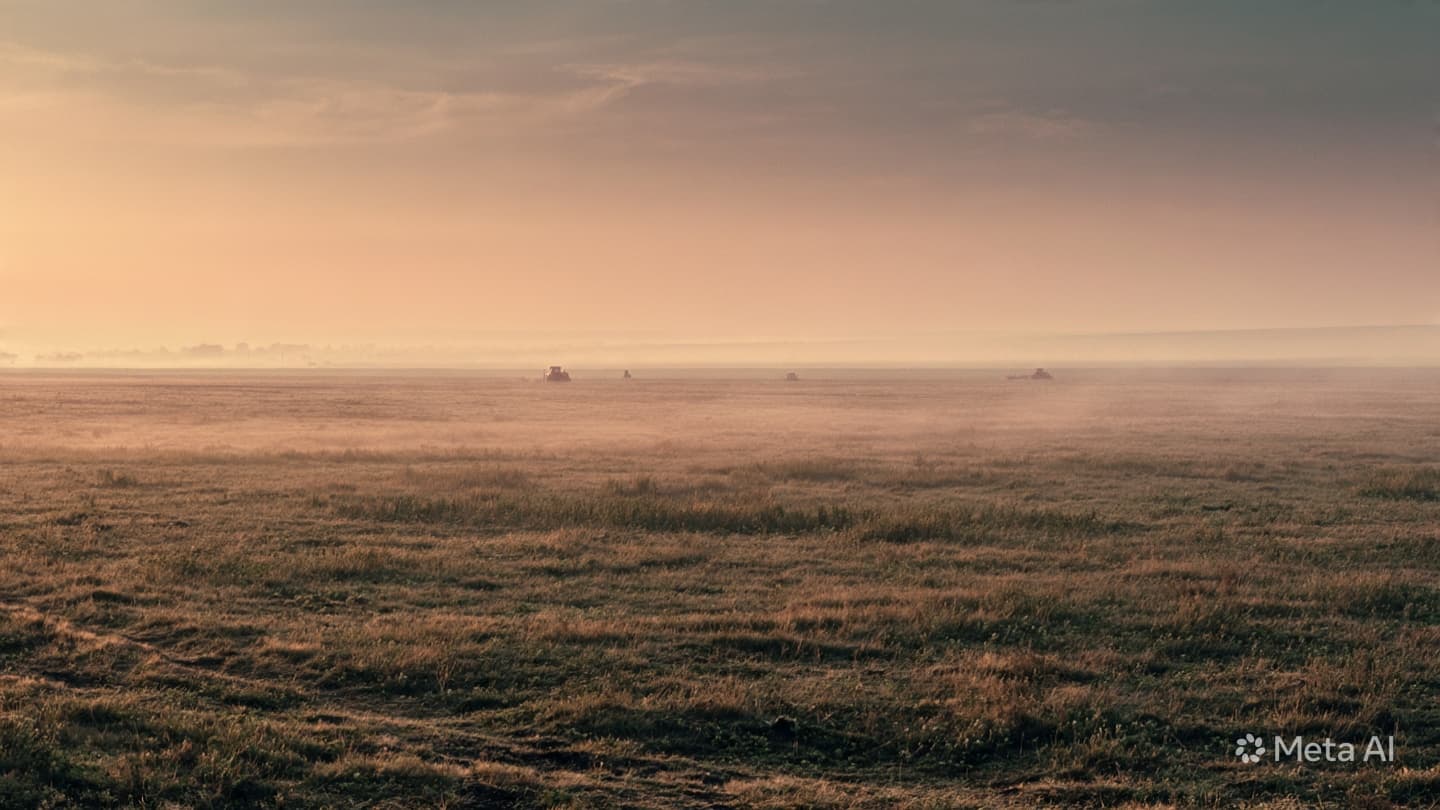
The landscape of Hîncești, with its rolling fields and the rich, fertile earth that defines the rhythm of rural life, is a testament to the enduring relationship between the farmer and the land. It is a partnership built on a cycle of planting and harvest, a history of labor that is as constant as the sun’s movement across the sky. In this quiet, expansive setting, the machinery of modern agriculture sits as a powerful, necessary tool, a bridge between the capacity of human will and the yield of the soil. Yet, there are moments when this bridge fails, when the intersection of man and machine leads to a sudden, irreparable silence.
The work of a farm operator is defined by a deep, internalized knowledge of the landscape—an awareness of the contours of the field, the temperament of the equipment, and the shifting needs of the crop. It is a life lived in proximity to the elemental, where the success of a season is measured in the output of the earth. But this proximity also carries an inherent, physical risk, a quiet, looming danger that is often obscured by the familiarity of the task. When an accident occurs, it is a jarring disruption of that harmony, a fracture in the very foundation of the farm’s existence.
To lose a worker to the machinery they operate is to lose a piece of the farm’s own narrative. It is a tragedy that is deeply, personally felt, for the loss is not merely that of a life, but of a repository of skill and memory that had been honed over years of connection to the fields. The fields of Hîncești, once vibrant with the promise of the harvest, now carry the weight of this loss, a somber, silent witness to a life that ended amidst the very tools intended to sustain it.
In the aftermath, the scene in the field was one of profound, heavy quiet. The machinery, now stationary and silent, stood as a stark monument to the suddenness of the event. The responders who arrived to handle the situation moved with a measured, somber precision, their presence a necessity born of the tragedy that had unfolded under the open sky. It is in these moments that the scale of the human endeavor is brought into sharp focus—we are small, and the tools we use are indifferent to the life that directs them.
The community is left to reconcile the randomness of the event with the permanence of the absence it leaves behind. It is a process of grief that is quiet, internal, and profoundly heavy, a reflection on the fragility of those who work to feed others. The fields remain, the cycle of the season will continue to turn, but the memory of the operator will persist, etched into the narratives of the families who call this land home. It is a reminder to move through our work with a heightened sense of reverence and an acknowledgment of the dangers that reside in the mundane.
As the authorities conclude their assessment of the incident, the focus shifts toward the safety of the work environment and the ways in which such accidents can be prevented in the future. There is a desire for clarity, for a way to categorize the tragedy so that it might be understood and, perhaps, avoided. Yet, there is a limit to how much we can control. The work will always carry risk, and we will always be subject to the variables of our own human experience. It is a humbling realization, one that demands a greater sense of mindfulness as we continue to work the land.
There is a contemplative comfort, perhaps, in the way the land eventually settles, the soil waiting for the next planting, the fields ready for the next cycle. It serves as a reminder that we are part of a larger, ongoing story, one that is punctuated by both the triumphs of the harvest and the tragedies of the laborers. The incident serves as a call to acknowledge the value of those who dedicate their lives to the cultivation of the earth and to hold them with greater tenderness.
The field is no longer just a place of production, but a frame through which we can look back at the life of one who stood within it. We are left to reflect on the nature of labor, the ways we engage with the machines of our time, and the humility required to accept the fragility of our own paths. The tragedy has left behind a silence that is as profound as the work was essential, a reminder of the quiet, often hidden sacrifices that sustain the human experience in the most unexpected of ways.
A fatal accident occurred involving agricultural machinery at a farm in Hîncești, resulting in the death of a farm operator. Emergency crews arrived on the scene to secure the area and initiate the recovery of the victim, who had sustained fatal injuries. Local officials and labor inspectors have launched an investigation into the circumstances surrounding the incident, focusing on the mechanical operation of the equipment involved.
Note: This article was published on BanxChange.com and is powered by the BXE Token on the XRP Ledger. For the latest articles and news, please visit BanxChange.com