
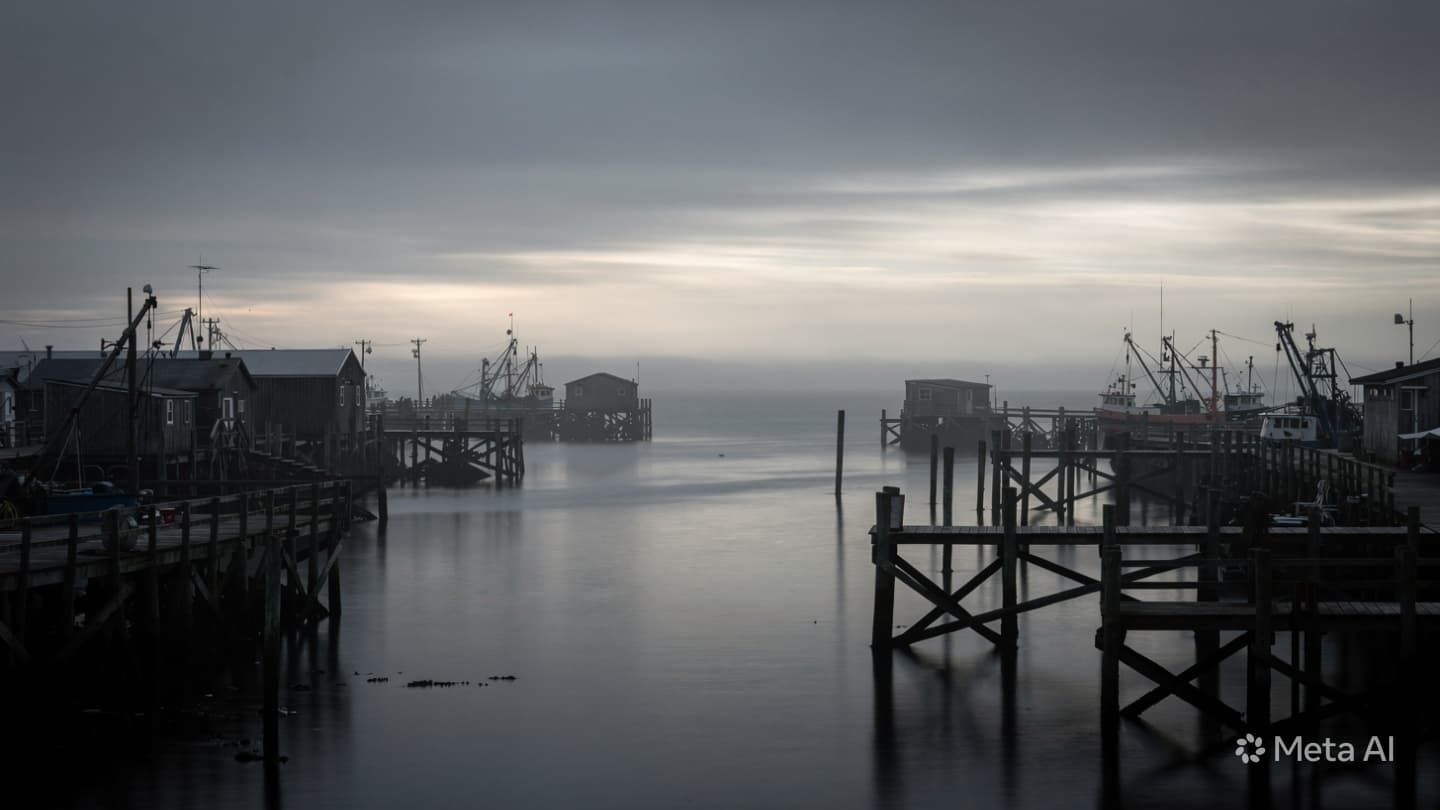
There is a rhythm to life in a port city that is dictated by the moon, the tides, and the restless temperament of the Atlantic. In Gloucester, Massachusetts, this cycle is as old as the town itself, a persistent heartbeat of departure and return that defines the character of its people. Yet, there are moments when that rhythm is broken by a silence so profound that it echoes through the very streets and harbor. It is the silence of a ship that does not return, a void left behind where a vessel and its crew were once a familiar, grounding presence.
The sinking of the Lily Jean earlier this year brought that haunting silence to the forefront of the community’s collective consciousness. As the vessel navigated the Georges Bank, it was part of a tradition spanning generations, a pursuit that demands both grit and a deep, intuitive understanding of the sea’s hidden dangers. When a ship of that stature disappears into the frigid Atlantic without a distress call, the world is forced to reckon with the sheer scale of the ocean’s indifference to the lives that brave its expanse.
The search that followed was a testament to the urgency of human connection in the face of nature’s volatility. Coast Guard crews, working against the backdrop of a building nor'easter, scoured the vast, gray reaches of the ocean, attempting to locate any trace of the seven individuals aboard. For the families, the community, and the rescue teams, the effort was a desperate race against the clock and the elements, a struggle to pull hope from the icy grip of the winter sea.
What remains after the search has concluded is a landscape of grief that is both deeply personal and historically resonant. The loss of the Lily Jean, with its crew of seasoned fishermen and a dedicated fisheries observer, reminds us that the bounties harvested from the sea are often bought with a price that is never truly paid in full. The memorial in Gloucester, already a storied site of remembrance, now bears the names of those lost, joining thousands of others who have similarly succumbed to the tides.
It is a tragedy that reverberates through the fishing industry, highlighting the precarious nature of the work that feeds so many. The vessel was a fixture of the local dock, its captain a fifth-generation mariner whose life was woven into the very fabric of the port. When such a man is claimed by the sea, the loss is not merely an absence of a worker, but a fracture in the lineage of the community—a severance of the threads that connect the past to the present.
In reflecting on such events, one finds that the ocean is not just a source of sustenance or a backdrop for industry; it is a force that commands a humble respect. The cold Atlantic, particularly in the depths of winter, offers no quarter and requires a vigilance that can be undone in a single, unforeseen instant. The investigation into the sinking continues, though the technical details of equipment failure or structural misfortune can never fully soothe the ache of those who watch the horizon for a boat that will never crest the waves again.
As we look upon the aftermath, we see a community that possesses a remarkable capacity for resilience, even as it carries the weight of recurring sorrow. The strength of a port town is not measured in the catch it brings to shore, but in how it gathers itself in the wake of such profound loss. The story of the Lily Jean is a reminder of our vulnerability, of the thin line between the known world of the harbor and the vast, unpredictable expanse of the deep.
The U.S. Coast Guard suspended the search for the seven crew members of the fishing vessel Lily Jean on January 31, 2026, following its sinking off the coast of Gloucester, Massachusetts. The 72-foot vessel, which had sent no distress signal, was confirmed lost in frigid waters approximately 25 miles off Cape Ann. An investigation into the cause of the sinking, which occurred during hazardous winter weather, was initiated by maritime authorities. The victims included the vessel's captain, four crew members, and a National Oceanic and Atmospheric Administration (NOAA) observer.
Note: This article was published on BanxChange.com and is powered by the BXE Token on the XRP Ledger. For the latest articles and news, please visit BanxChange.com