
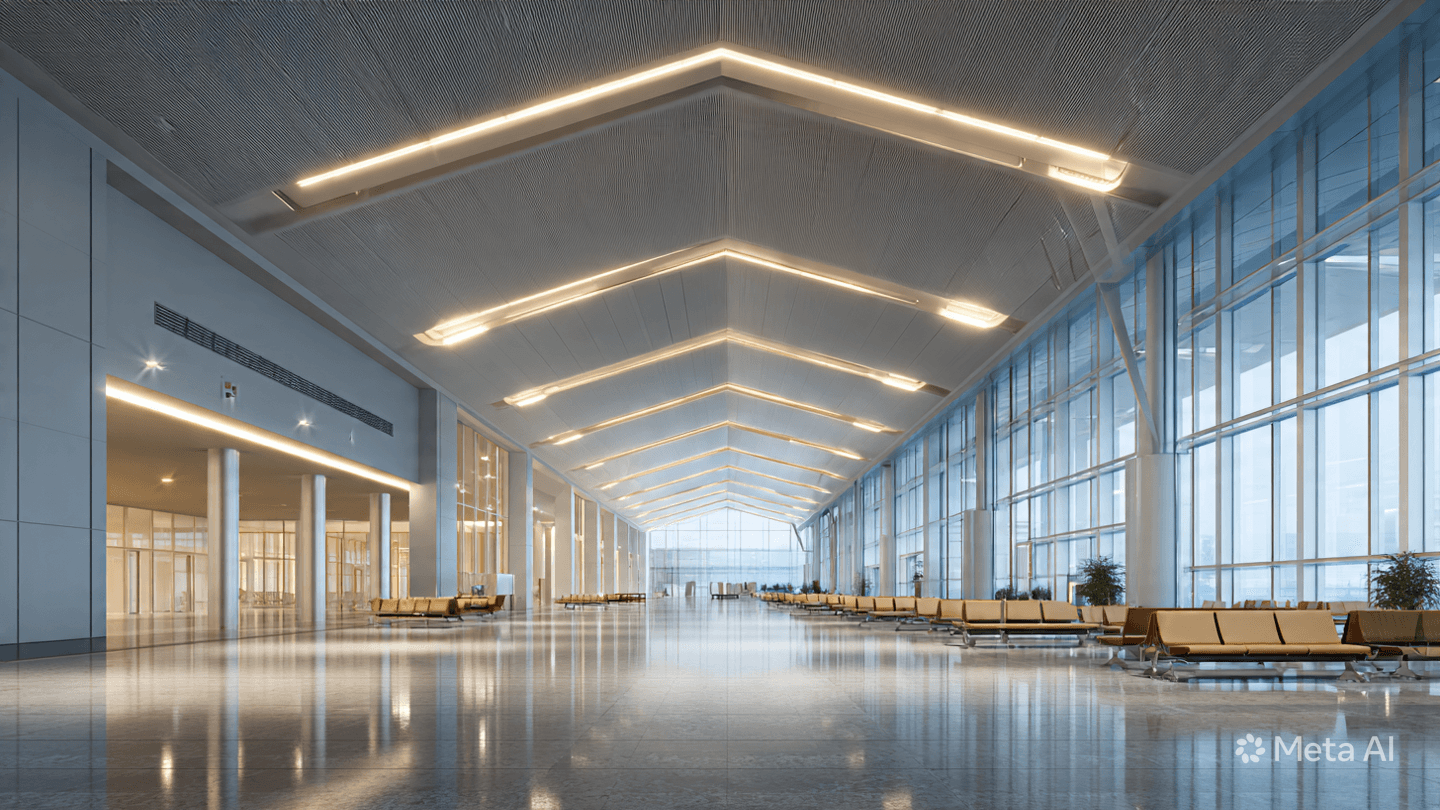
The airport terminal is a space defined by its own peculiar logic—a place where the world is compressed into a series of gates, check-in counters, and the quiet, rhythmic movement of travelers seeking to cross the borders of the earth. It is a zone of transit, intended to be a sanctuary of order, yet recent events have reminded us that even in these most regulated of environments, the human element can be an unpredictable and often volatile factor. The report of an altercation involving personnel linked to the government is a sobering reminder of how quickly the veneer of professional decorum can dissolve.
There is a particular, jarring dissonance to such an event. We expect the representatives of the state, particularly those who operate in the public eye, to be the architects of stability, the figures who hold the line against the encroachment of chaos. When they become the source of the disruption, the sense of betrayal is palpable. It is a moment that challenges our basic assumptions about the safety of our public spaces and forces us to look more closely at the individuals entrusted with their oversight.
We observe the aftermath—the tension in the terminal, the sudden pause in the flow of travelers, and the presence of investigators moving through the scene with the clinical detachment of those who must document a failure. It is a process that feels inherently bureaucratic, an attempt to isolate the event and neutralize its implications. Yet, the memory of the altercation lingers, a stain on the collective experience of those who were present, and a stain on the reputation of the institutions involved.
The incident is a reflection of a broader, deeper anxiety about the nature of authority in our contemporary world. We see the way the state exerts its power, the way its personnel move through our spaces, and we are forced to weigh the necessity of their role against the risk of their presence. It is an editorial reflection on the burden of power—on the requirement that those who carry the symbols of the state must also carry the responsibility that comes with that authority, a responsibility that is often tested in the small, seemingly mundane moments of daily life.
As we consider the implications of this event, we are forced to acknowledge the fragility of the public trust. It is built over time, through countless small interactions and the consistent observation of order, and yet it can be dismantled in an instant by a single, catastrophic error in judgment. We are reminded that the peace we enjoy in our terminals and our public squares is a collaborative project, one that requires not just the vigilance of the state, but the integrity of the individuals who represent it.
Following the incident, airport security officials have launched a formal review of personnel conduct and training protocols. The government has stated that the individuals involved have been placed on administrative leave pending the outcome of a thorough internal investigation. Public commentary has been swift, with citizens questioning the appropriateness of the force utilized during the altercation and calling for greater transparency in how security staff interact with the public.
International civil aviation monitors have noted the event as a point of concern, emphasizing the need for professional, non-confrontational management in high-traffic hubs. The airport has resumed normal operations, but the incident has sparked a wider conversation about the role of armed personnel in civilian spaces and the necessity of ensuring that those tasked with protection are adequately prepared for the complexities of public service. The case remains under active review by the relevant municipal and state authorities.
Note: This article was published on BanxChange.com and is powered by the BXE Token on the XRP Ledger. For the latest articles and news, please visit BanxChange.com