Earth’s orbit has become a layered environment of both innovation and remnants of past missions. Satellites, defunct spacecraft, and fragmented debris continue to circle the planet, forming an invisible layer of human activity above the atmosphere. Recently, heightened solar activity has added a new dynamic to this already complex environment.
Increased solar radiation can subtly expand Earth’s upper atmosphere, creating more drag on objects in low orbit. This natural response causes some pieces of space debris to lose altitude faster than expected, eventually re-entering the atmosphere.
Scientists monitoring orbital conditions have noted that these changes are not abrupt but gradual, influenced by cycles of solar intensity. During periods of heightened activity, atmospheric density at higher altitudes increases slightly, altering orbital stability.
This phenomenon is particularly relevant for smaller satellites and fragments of debris that lack propulsion systems. Their trajectories depend entirely on atmospheric conditions and gravitational balance.
Space agencies and private operators closely monitor these variations, as increased drag can affect satellite lifespan and collision risk management strategies. Even minor shifts in orbital behavior require updated predictive models.
While solar activity introduces challenges for space operations, it also contributes to a natural cleansing process in orbit, gradually reducing the amount of long-lived debris over time.
Researchers emphasize that understanding space weather is essential for maintaining safe orbital environments, especially as satellite deployments continue to increase globally.
In conclusion, the Sun’s activity plays a subtle but important role in shaping the sustainability of Earth’s orbital space, influencing both active missions and remnants of past exploration.
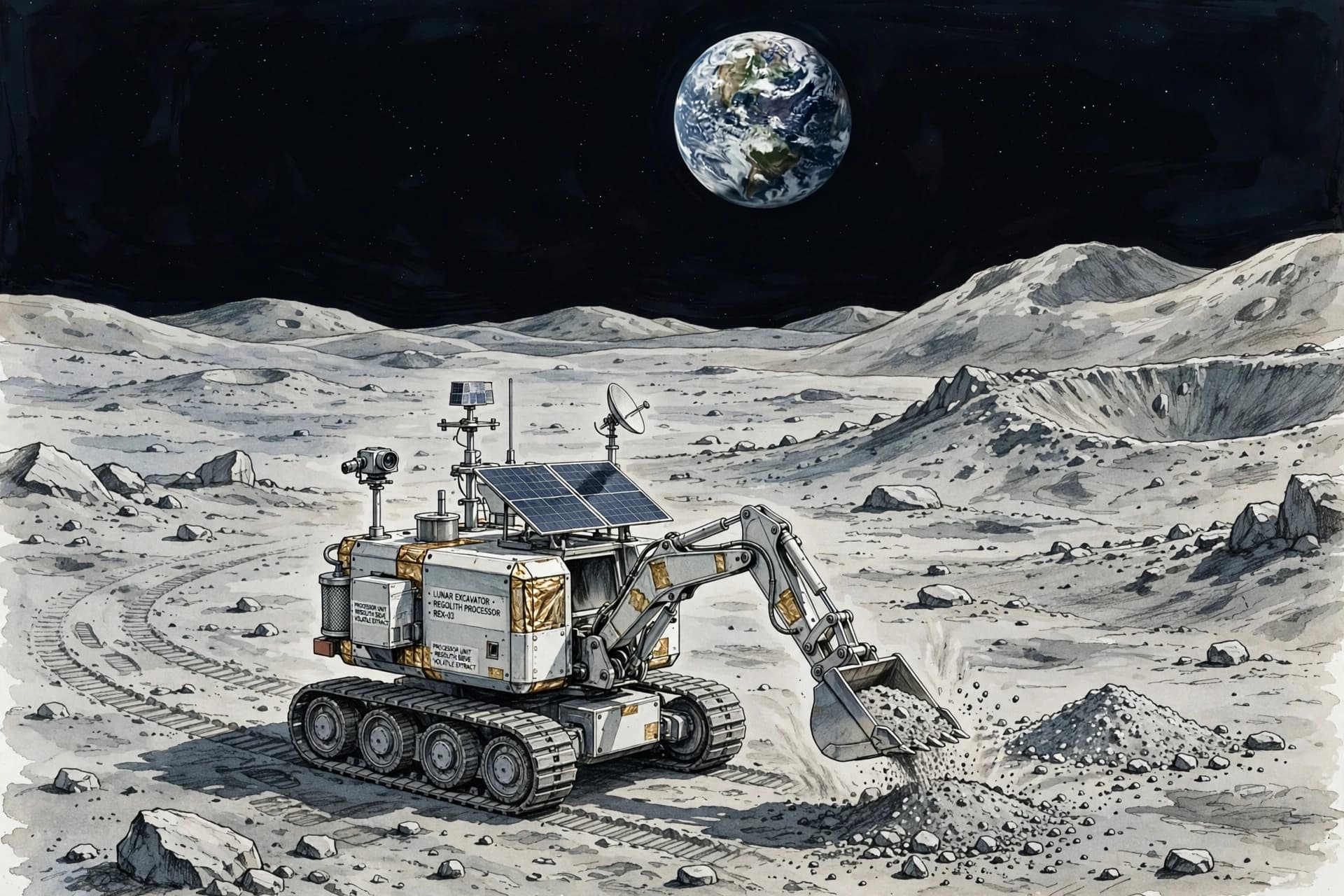
AI Image Disclaimer: All accompanying visuals are AI-generated conceptual illustrations intended for editorial use only.
Source Verification Check: NASA Space Weather Center, NOAA, ESA Space Debris Office, Space.com, Science News
Published by Banx Network. This article is part of the Banx decentralized media programme, powered by the BXE token on the XRP Ledger.