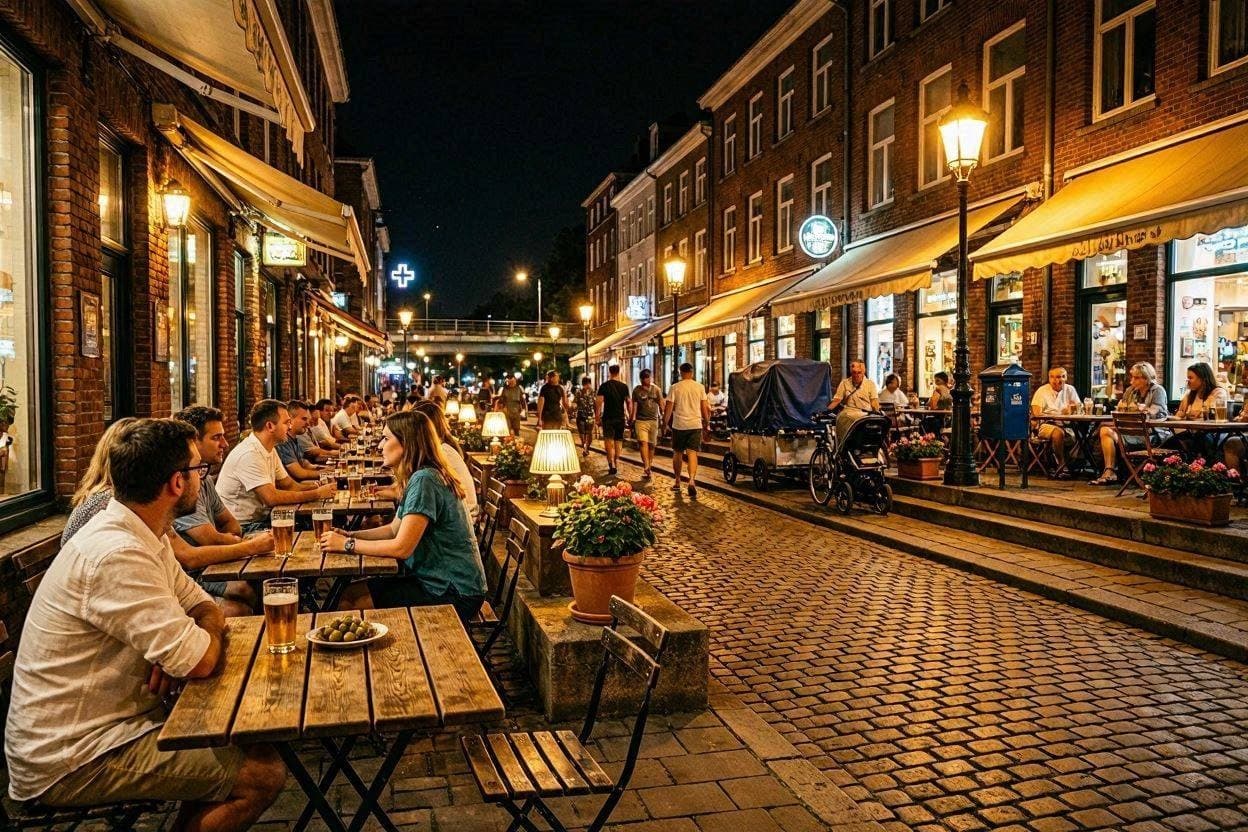
As the sun dips below the horizon in Europe, a different kind of heat begins to settle over the continent. Unlike the scorching days that drive people indoors, these tropical nights offer no respite, keeping temperatures stubbornly above 20 degrees Celsius and preventing the natural cooling that bodies and buildings rely on. This phenomenon, increasingly common due to climate change, is transforming summer evenings from times of relief into periods of silent stress.
The term "tropical night" refers to any night where the minimum temperature does not fall below 20°C. While this might sound pleasant to some, it poses significant health risks, particularly for vulnerable populations such as the elderly, young children, and those with pre-existing conditions. The human body relies on cooler nighttime temperatures to recover from the day's heat, and without this drop, the risk of heat exhaustion and cardiovascular strain increases substantially.
Recent heatwaves across Europe have brought a surge in these warm nights, breaking records in countries like Germany, France, and Italy. Meteorologists note that the combination of high humidity and persistent heat domes traps warmth in urban areas, creating what is known as the urban heat island effect. Concrete and asphalt absorb heat during the day and release it slowly at night, exacerbating the problem in densely populated cities.
Public health officials are urging citizens to take precautions, even after dark. Staying hydrated, using fans or air conditioning if available, and seeking cooler environments are essential steps. However, many European homes are not equipped with air conditioning, designed instead to retain heat during colder months. This architectural mismatch leaves millions exposed to the dangers of prolonged heat exposure.
The impact on sleep quality is another critical concern. Disrupted sleep patterns can lead to fatigue, reduced cognitive function, and weakened immune systems. For workers and students, the cumulative effect of poor sleep during a heatwave can be debilitating, affecting productivity and overall well-being. The silent nature of this threat makes it easy to underestimate, yet its consequences are profound.
Climate scientists warn that tropical nights will become more frequent and intense in the coming decades. As global temperatures rise, the baseline for nighttime cooling shifts upward, making extreme heat events the new normal. Adapting to this reality requires not just individual action but also systemic changes in urban planning and public health infrastructure.
Cities are beginning to respond by increasing green spaces, which provide natural cooling through shade and evapotranspiration. Reflective materials and better ventilation in buildings are also being explored as ways to mitigate the urban heat island effect. These long-term strategies are crucial for building resilience against a warming world.
Closing: As Europe navigates these sweltering nights, the focus remains on protecting public health and adapting to a changing climate. The challenge of tropical nights serves as a stark reminder that climate change affects every hour of the day, requiring continuous vigilance and care.
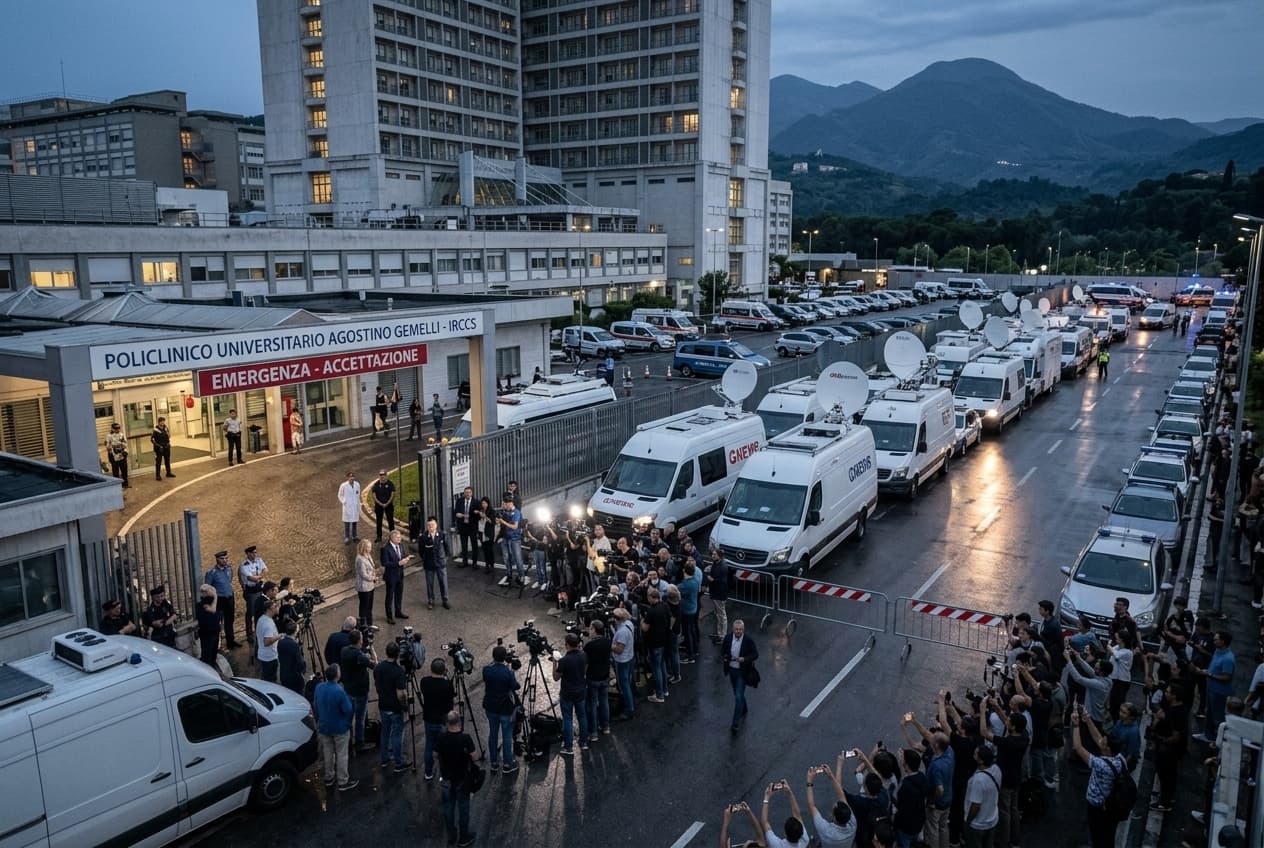
AI Image Disclaimer: The visual content accompanying this article is AI-generated for illustrative purposes and does not depict actual thermal maps or specific cityscapes.
Sources: Euronews World Meteorological Organization Time Magazine WHO Europe
Published by Banx Network. This article is part of the Banx decentralized media programme, powered by the BXE token on the XRP Ledger.