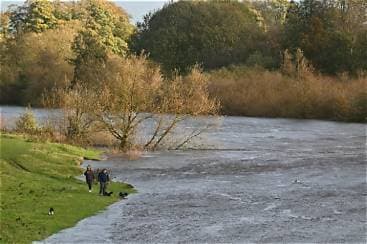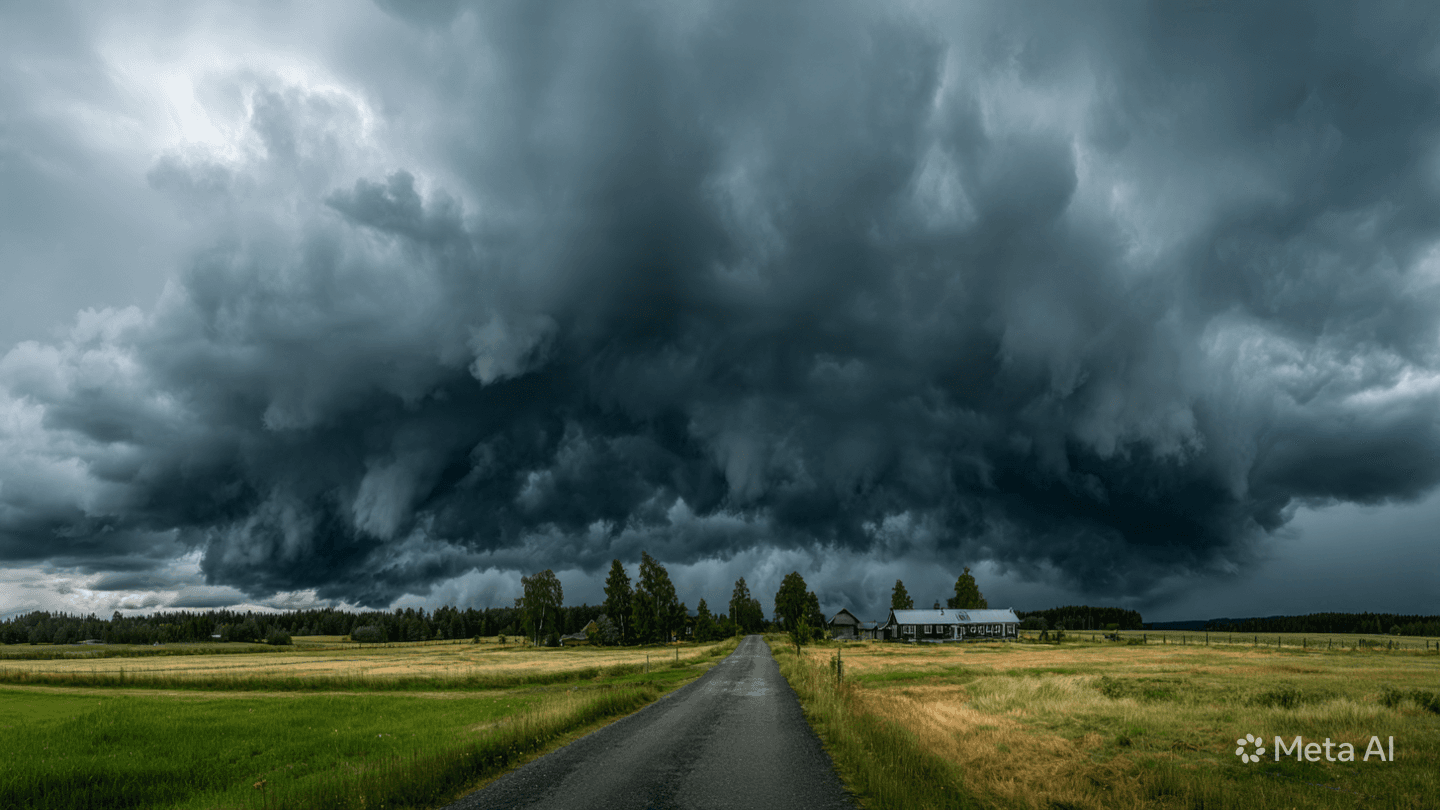
The Swedish summer, for all its luminous promise, possesses a hidden, volatile capacity that can transform the calm of a solstice evening into a spectacle of atmospheric intensity. This week, the skies have spoken with a voice that is both ancient and urgent, as dramatic thunderstorms swept across the landscape, bringing with them a display of power that left a tangible mark upon the terrain. It is a reminder that even in the height of the season, when we are most inclined to believe in the permanence of the sun, we remain subject to the shifting whims of the atmosphere.
Emergency services have been in a state of constant engagement, responding to the aftermath of the storms as they tracked their path across the country. From the clearing of fallen limbs to the repair of roofs and the management of localized flooding, the work is a testament to the resilience of our infrastructure and the dedication of those who keep it functional. These storms are not merely inconveniences; they are events that require a measured, purposeful response, a way of restoring the equilibrium that the natural world has momentarily disrupted.
There is a strange, sobering beauty in such displays of power. To witness the sky darken and the air become heavy with the charge of a gathering storm is to feel a primal, visceral connection to the world. We are reminded of our own scale, of the fragility of the structures we build, and of the fundamental importance of preparing for the unexpected. As the rain falls and the thunder resonates through the valleys, we find ourselves retreating to the quiet safety of our homes, observing the spectacle from a distance that acknowledges both our vulnerability and our enduring strength.
For the forestry sectors and those living in the more exposed areas of the landscape, these events are particularly significant. The wind, in its unpredictable path, seeks out the points of least resistance, felling trees and shifting the geometry of our rural spaces. The cleanup is a slow, methodical process, a return to the work of stewardship that characterizes our relationship with the land. It is a task that brings us into close contact with the aftermath of the storm, allowing us to see the landscape as a living entity that is constantly in the process of rebuilding itself after the fury has passed.
The weather patterns of 2026 have been defined by these sudden, dramatic shifts, a reflection of a broader global climate that seems increasingly prone to volatility. Yet, in Sweden, we meet these challenges with a quiet, practiced resolve. We recognize that while we cannot command the sky, we can control the quality of our response. The emergency services, the local municipalities, and the individual citizens all play a part in this cycle of recovery, ensuring that the impact of the storms is met with collective action and a shared sense of purpose.
As the storms subside and the clouds begin to dissipate, revealing the pale, persistent light of the northern summer, we are left to assess the changes in our surroundings. The air is cleansed, the landscape is rearranged, and there is a renewed appreciation for the steady, reliable nature of the sun’s return. We carry with us the memory of the storm—the sound of the wind, the flash of the lightning, and the resilience of our communities—as we step out once more into the calm that follows the tempest.
In the final assessment, these dramatic weather events are a vital part of the Swedish seasonal narrative. They test our readiness, highlight our interconnectedness, and remind us of the immense, untamable beauty of the environment we inhabit. We are travelers in a land that is as powerful as it is peaceful, and we move forward with the knowledge that our ability to weather the storm is what defines our connection to the changing face of the North.
Published by Banx Network. This article is part of the Banx decentralized media programme, powered by the BXE token on the XRP Ledger.


.jpg&w=3840&q=75 "Russia Turns Black Sea Into World’s Deadliest Shipping Route as More Than 570 Ships Are Hit")