
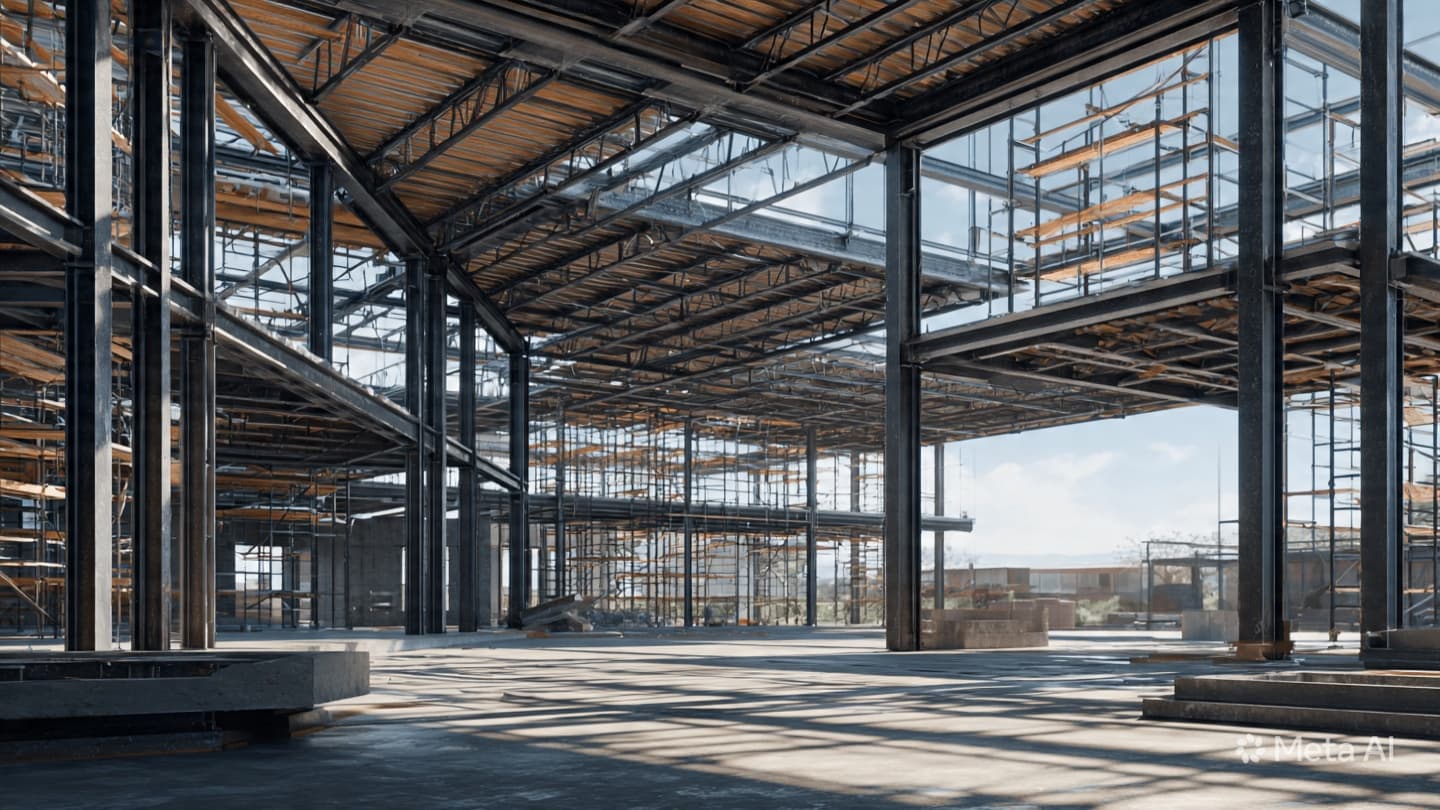
The construction site is a theatre of human ambition, where the blueprint is slowly transformed into the reality of concrete and steel. To watch a commercial remodeling project is to observe a constant, rhythmic transformation, as the existing structure is carved, reinforced, and reimagined. Yet, within this process, there exists an inherent, physical vulnerability. The scaffolding, the beams, and the temporary supports are not permanent; they are placeholders, held in place by human calculation and the integrity of the materials themselves. When that integrity fails, the consequence is stark, absolute, and profoundly final.
To witness a fatal fall on a building site is to confront the terrifying reality of gravity when the safeguards are compromised. The construction worker, navigating the precarious heights of the commercial remodel, relies on the structure to hold, to support, and to shield. When a structural failure occurs, that reliance is betrayed in an instant. The fall is a descent that defies the purpose of the work, a movement from the height of industry to the quiet, unyielding ground below, a transition that leaves the entire site in a state of sudden, paralyzing shock.
The loss of a single worker in such a collapse is a tragedy that speaks to the heavy, underlying cost of our modern urban development. It is a loss that leaves a void in the team, a silence in the clatter of the site, and a profound, aching grief in the home of the worker who will not return. The investigation that follows is a necessary, painstaking pursuit of the "why"—was it a fatigue in the material, a miscalculation in the support, or a failure in the protocol? It is a search for responsibility, a striving to ensure that such a tragedy is not repeated.
Observing the response, one finds a scene of muted, desperate activity. The work stops, the site is cordoned off, and the authorities arrive to document the tragedy. It is a scene that transforms the site from a place of production to a place of investigation. The workers, standing on the sidelines with their hard hats in their hands, are the silent witnesses to the fragility of their environment. They are the ones who bear the immediate, heavy burden of the event, their own sense of security in the structure irrevocably shaken.
There is a reflective space in the contemplation of why we continue to build with such speed and scale. The demand for commercial space, the drive for modernization, and the urgency of the project schedule are the forces that keep the workers at height. We are a species that constructs with a singular focus on the end result, often forgetting the human effort that is the true foundation of the build. The tragedy at the remodeling site is a sobering critique of this focus, a reminder that the safety of the worker must be the primary metric of the construction project’s success.
The resilience of the building community is a defining, if sometimes painful, characteristic. They return to the site, they resume the work, and they continue to build the city, but they do so with a newfound, heavy awareness. This persistence is not born of a disregard for the danger, but of a commitment to the work that supports their families. They are the builders of the landscape, and their labor is a testament to the dignity of the craft, even as they work in an environment where the risk of the fall is never entirely absent.
As the investigation concludes and the work on the structure eventually resumes, the memory of the fallen worker remains a quiet, spectral presence. The building, once complete, will stand as a monument to the labor that created it, but for those who were there, it will also be a site of remembrance. We move on, we continue to develop, and we continue to reach for the sky, but we do so with a deeper, more reflective caution. We are reminded that the strength of our structures is only as reliable as the hands that build them, and the safety of the builder is the true, final measure of our success.
Note: This article was published on BanxChange.com and is powered by the BXE Token on the XRP Ledger. For the latest articles and news, please visit BanxChange.com