
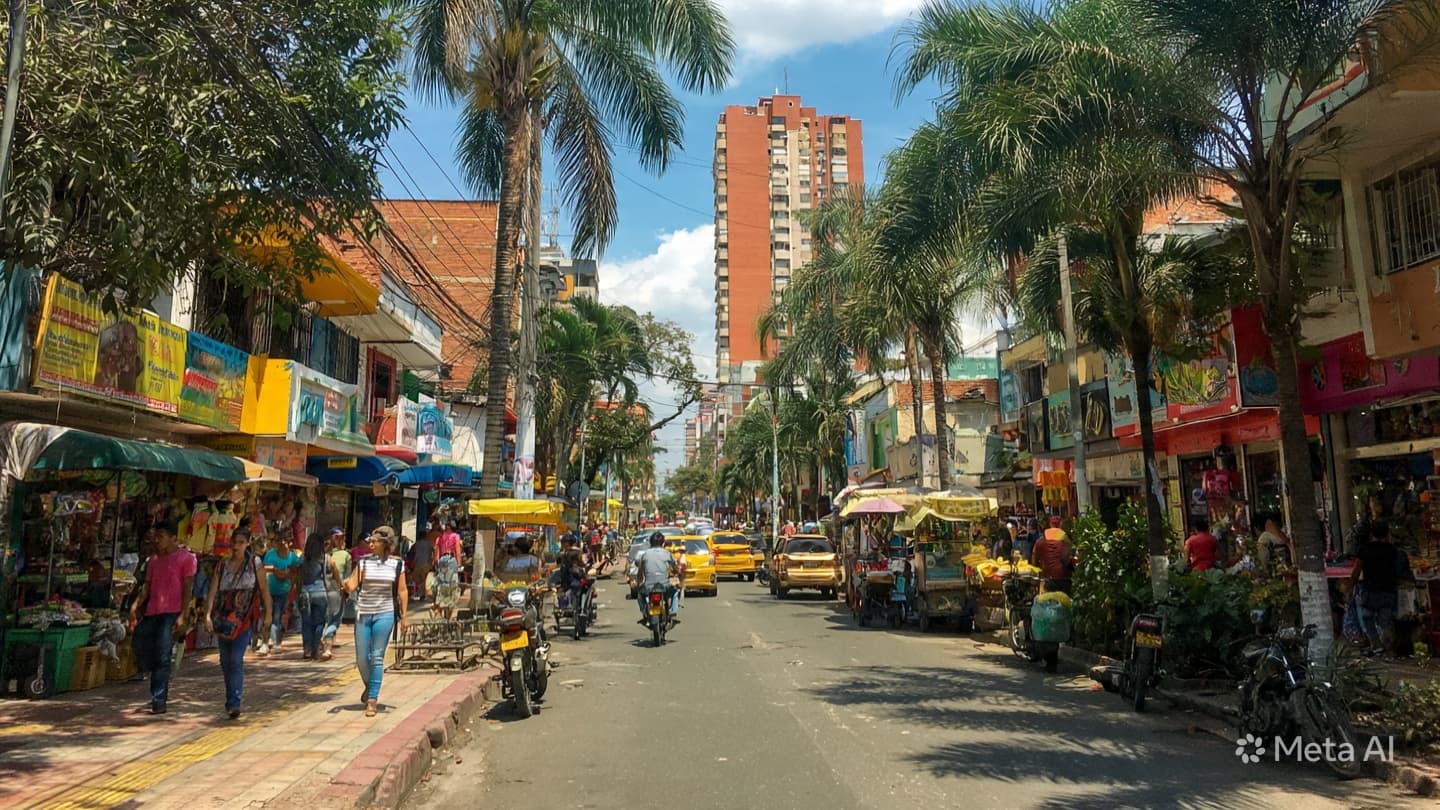
The city of Cali has a rhythm all its own, a pulse driven by the heat of the tropics and the vibrant energy of its inhabitants. It is a place where commerce and community often exist in a delicate, precarious balance. When that balance is violently upset by an urban shootout—when the cold calculus of narco-trafficking routes spills over into the public square—the tragedy is not just in the loss of life, but in the theft of the city’s collective sense of safety.
Three bystanders, caught in the unintended crossfire, have become the latest symbols of a struggle that is often remote from their own daily lives. Their deaths are a haunting reminder that in the hierarchy of power, the civilian is all too often a secondary consideration. The shootout, ignited by the competition for control over illegal conduits, marks a rupture in the urban environment, a moment where the invisible war becomes terrifyingly visible, leaving the innocent to pay the price.
To walk the streets of Cali is to feel the weight of this underlying tension. While the city displays a remarkable capacity for joy and resilience, there is a shadow cast by the routes of illicit trade that crisscross the region. These corridors of influence are protected with a ruthless intensity, and when competing interests collide, the public space becomes a venue for a violence that does not discriminate. It is an urban challenge that defies simple containment, a persistent friction that threatens the peace of the neighborhood.
The reflection of this tragedy must be one of profound, somber observation. It is not merely about the mechanics of the shootout, but about the lives that were extinguished in the midst of their mundane chores—the walk to the market, the commute home, the brief pause on a corner. These are the human stories that get lost in the broader discourse of crime statistics and strategic security, yet they are the ones that truly define the depth of the loss.
In the aftermath, the city grapples with the task of reconciliation and the need for a renewed focus on the security of the public sphere. There is a sense of collective exhaustion, a yearning for the time when the streets belong to the people rather than the factions. The challenge is immense, requiring a combination of local engagement and a sustained, effective state presence that can reclaim the autonomy of the city’s own geography.
The resilience of Cali’s people remains its most powerful asset. They do not fold in the face of such adversity; instead, they continue to weave their lives back together, piece by piece. Yet, the tragedy is a stark reminder of the work that remains, a call for a future where the city’s pathways are defined by commerce and community, rather than the movement of illicit goods and the terror of the stray bullet.
The investigation into the shootout continues, as the city seeks answers and a measure of accountability. But for the families of the victims, the silence that follows is the only reality that matters. As Cali moves forward, the memory of those three lives remains, a silent, persistent push for a safer, more humane urban environment where the crossfire of conflict is finally a thing of the past.
Three bystanders were killed during an urban shootout in Cali, a tragedy triggered by a dispute over regional narco-trafficking routes. The incident occurred in a public thoroughfare, leading to panic and a significant security response. Local police are investigating the confrontation between the armed factions involved. The event has prompted outcry from local residents and officials, who are demanding stronger action to prevent the spillover of organized crime-related violence into civilian neighborhoods.
Note: This article was published on BanxChange.com and is powered by the BXE Token on the XRP Ledger. For the latest articles and news, please visit BanxChange.com