
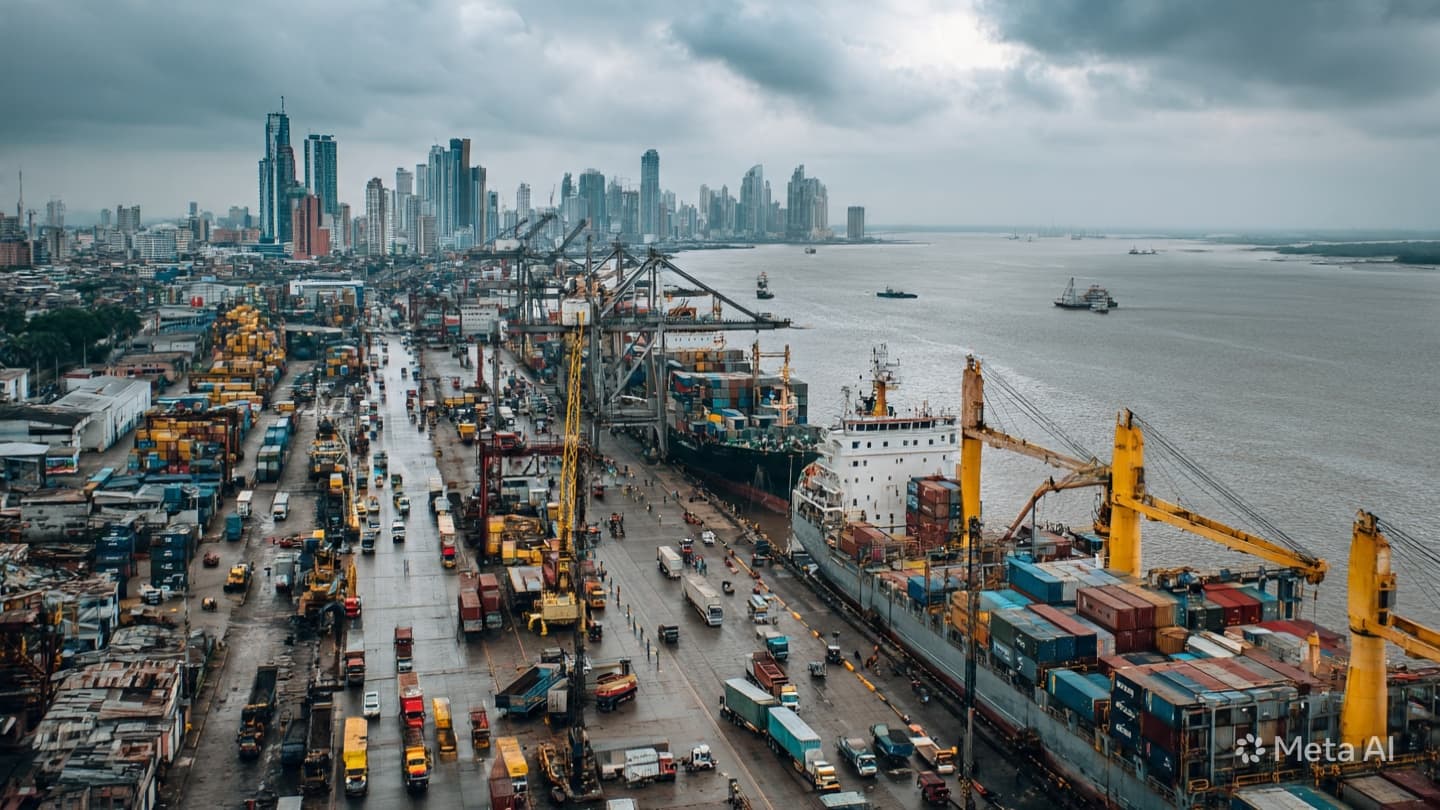
Guayaquil is a city of relentless motion, a port that breathes with the energy of global trade and the aspirations of its people. But beneath the surface of the bustling gridlock, there exists a shadow world—a space where the rules of the city are rewritten by the violence of the narco-trade. When fourteen bodies are discovered, bound, tortured, and left in the open, it is not merely a crime scene; it is a manifestation of a systemic terror that threatens to overwhelm the very concept of the public space.
To discover fourteen lives taken in such a calculated, brutal fashion is to confront the terrifying efficiency of the organized crime syndicates that now haunt the city’s margins. The use of head coverings and the binding of limbs are not accidental; they are theatrical acts of intimidation, a signal that the city is a theater for their unchecked dominion. For the residents who navigate these streets, the discovery is a chilling reminder of how easily the familiar, daily rhythm can be shattered by the arrival of the unseen war.
Reflecting on this tragedy requires us to look past the gore and the shock of the numbers to the systemic conditions that allow such impunity. Guayaquil, as a primary gateway for the smuggling of illicit substances, is uniquely exposed to the brutal competition between rival cartels. The gridlock is not just a traffic delay; it is a metaphor for the stagnation of a city that feels paralyzed by the persistence of this conflict, its growth and prosperity held hostage by the shadow of the trade.
The loss of fourteen souls is a profound, communal trauma. It is a moment for the city to stand still, to acknowledge the weight of the suffering that has been inflicted upon its people, and to demand a different path. The resilience of the Guayaquil populace—their commitment to their homes, their businesses, and their families—is the only meaningful counterweight to the nihilism of the criminals who seek to terrorize them. But resilience alone is not enough; it requires a state that is present, capable, and committed to protecting its people.
As the authorities begin their investigations, the city is left with the haunting image of the victims and the questions that remain. How many more must be lost before the systemic rot is addressed? How long can the gridlock hold before the city finally breaks? The tragedy is a call for a sustained, uncompromising effort to reclaim the law, to secure the port, and to restore the sanctity of the public streets. It is an urgent, necessary path forward, one that demands a collective commitment to the future of the city.
In the end, the memory of the fourteen who were bound and left in the Guayaquil gridlock is a silent, persistent push for a city that is defined by its resilience rather than its tragedies. It is a city that deserves a future where the only motion on its streets is that of life, work, and hope, and where the shadows of the narco-trade are finally driven out by the light of a legitimate, unwavering rule of law. The work of healing is long, but it begins with the refusal to look away.
Fourteen tortured bodies, hands bound with duct tape and heads covered with black bags, were discovered in an area of high traffic congestion in Guayaquil. The grim finding, which shocked the city, is being investigated by police as a signature execution linked to the escalating war between organized crime groups fighting for control over drug export routes. Local authorities have stepped up patrols in commercial and port districts, as residents express growing fear over the perceived inability of security forces to contain the spread of gang violence in the urban core.
Note: This article was published on BanxChange.com and is powered by the BXE Token on the XRP Ledger. For the latest articles and news, please visit BanxChange.com