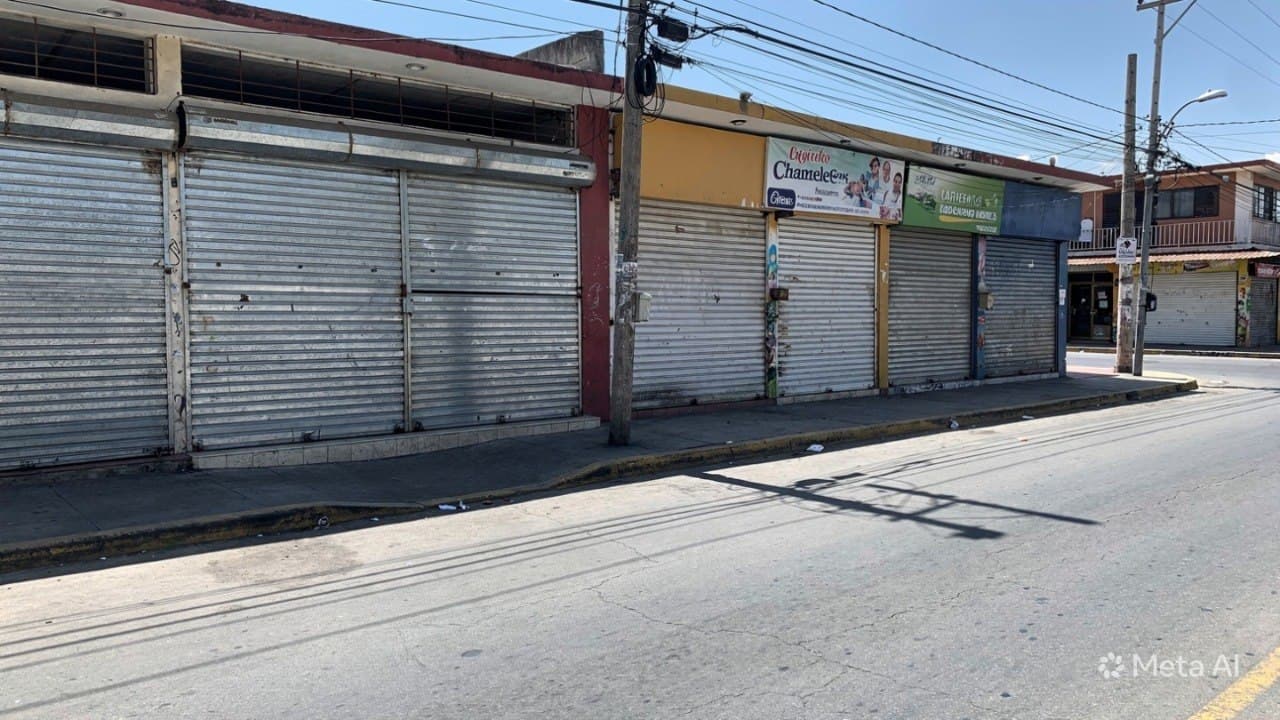
The Chamelecón neighborhood of San Pedro Sula exists within a landscape defined by industrial concrete, intense tropical heat, and a complex social geography that has long defied simple administrative solutions. Along its primary commercial thoroughfares, the daily struggle for economic survival is tangible in the rows of modest market stalls, small repair shops, and informal street vendors who display their wares beneath makeshift canvas awnings. This dense commercial activity constitutes the vital economic heart of the district, providing a precarious livelihood for thousands of families who navigate the razor-thin margins of the informal economy. Yet, for years, this vibrant street-level commerce has been forced to share its space with an invisible, parasitic architecture of intimidation.
To operate a business within these urban corridors has historically required an unspoken capitulation to the informal taxation imposed by territorial factions. The sidewalks and storefronts, though technically public property, have been systematically partitioned by illicit networks that demand a portion of every transaction as the price of doing business. This enduring extortion has altered the physical and psychological landscape of Chamelecón, turning the simple act of opening a shop door into an exercise in calculation and anxiety. The shuttered windows of businesses that failed to balance these demands stand as silent monuments to the economic friction that characterizes the neighborhood.
This entrenched status quo was explicitly challenged in the early hours of the day when the characteristic morning sounds of the commercial district were replaced by the heavy, synchronized arrival of state security forces. In a massive, coordinated anti-extortion sweep, hundreds of law enforcement personnel moved into Chamelecón with the explicit mandate to reclaim control of the commercial streets from illicit actors. The operation was designed to be highly visible, utilizing a dense deployment of personnel to disrupt the communication lines and collection networks that have long choked local commerce. The sudden influx of uniforms transformed the familiar urban grid into a theater of intensive state intervention.
The mechanics of this law enforcement initiative focus on dismantling the localized cells responsible for delivering extortion demands and collecting weekly payments from vulnerable shopkeepers. By establishing permanent checkpoints and conducting targeted raids on suspected safe houses, authorities aim to sever the immediate connections between the criminal leadership and the street-level enforcers. This approach represents an effort to provide immediate, physical relief to an economic sector that has been pushed to the brink of collapse by the relentless financial demands of the syndicates. The sweep represents an assertion of state presence in a space that had long felt abandoned to informal rules.
Among the local shopkeepers and vendors, the reaction to the massive security deployment is a complex mix of quiet relief and deep-seated caution. While the physical presence of authorities offers a temporary shield, many are acutely aware that operations of this scale are often transient, while the criminal networks possess a deep, historical resilience. Conversations are carried out in hushed tones behind counters, with business owners careful not to appear overly celebratory, mindful of the long memory of those who operate from the shadows. The true test of the intervention lies not in the initial show of force, but in the enduring safety of the streets after the initial waves of personnel recede.
The structural challenges facing Chamelecón highlight the difficulty of sustaining security gains in urban environments where poverty and lack of opportunity provide a fertile breeding ground for criminal groups. Security analysts point out that while tactical sweeps can temporarily disrupt extortion operations, they do not automatically restore economic vitality or institutional trust. For a community to truly reclaim its streets, the physical removal of threat must be accompanied by long-term investments in urban infrastructure, accessible credit for small businesses, and social programs that address the systemic marginalization of the neighborhood's youth.
Furthermore, the scale of the operation underscores how deeply embedded extortion has become within the urban fabric of northern Honduras. It is no longer an isolated criminal activity but a sophisticated parallel economy that influences market prices, limits entrepreneurship, and discourages formal investment in the region. Overcoming this challenge requires an ongoing, multi-faceted commitment that outlasts individual political cycles or temporary security strategies.
As the dusk settles over the Chamelecón grid, regional security commanders announced that the initial phase of the anti-extortion sweep has resulted in multiple detentions and the disruption of several key financial collection points within the commercial zone. High-ranking officials emphasized that tactical units will remain stationed at strategic intersections indefinitely to ensure that merchants can conduct their business without fear of immediate reprisal. The local chamber of commerce expressed cautious optimism regarding the intervention, emphasizing that the restoration of security is vital for preventing further business closures in the sector. For the moment, the commercial avenues experience an unfamiliar quiet, their future hanging in the balance of this intensified administrative resolve.
Published by Banx Network. This article is part of the Banx decentralized media programme, powered by the BXE token on the XRP Ledger.