
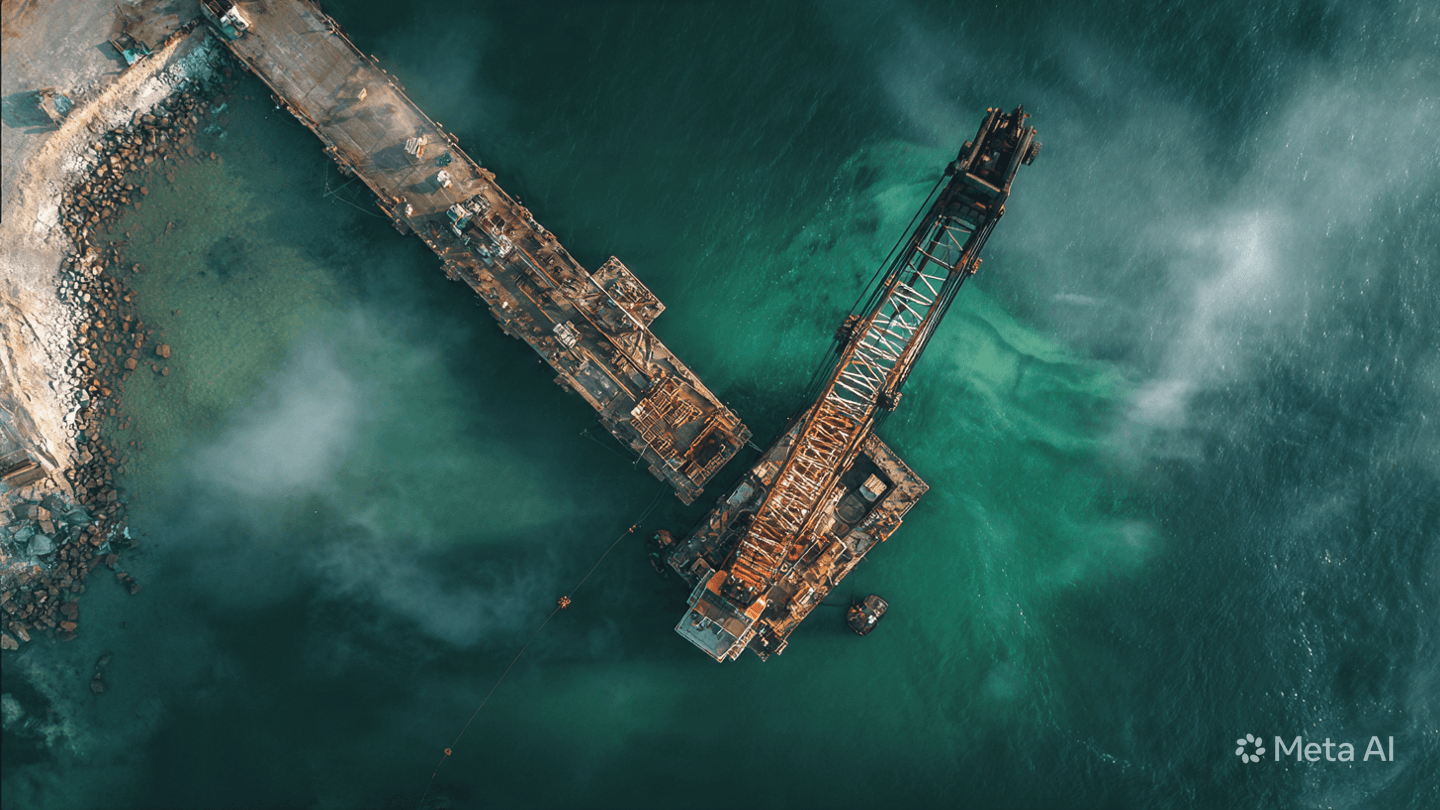
The water that borders the edge of a community is both a highway and a mirror, reflecting the seasonal light and the changing fortunes of those who live beside it. Along the public concrete steps and the stone slips where the tide ebbs and flows with a quiet persistence, a community has been forced to look into the deeper, colder realities of its relationship with the sea. It is a transition that occurs when a space dedicated to recreation and the simple joy of the summer afternoon becomes, for a brief and terrible moment, a place of sudden silence and collective loss, leaving a permanent mark on the memory of the waterfront.
To watch the life of a small port continue after a near-fatal encounter with the water is to observe a people walking with a new degree of caution along the edge of the stone. The memory of the incident does not disappear with the clearing of the weather or the departure of the emergency vehicles; it remains written in the way parents hold their children’s hands a little tighter as they walk past the piers. The water, which had seemed so clear and inviting under the midday sun, is now recognized for what it has always been—a vast, indifferent force that operates under its own laws, completely separate from human desire or comfort.
The response to this collective realization has taken the form of a quiet, deliberate presence along the margins of the harbor and the beaches. Representatives of the oldest lifesaving institutions have begun to appear on the boardwalks, their distinctive uniforms offering a visible reminder of the thin line that separates safety from the deep. They do not bring warnings that are loud or alarmist; instead, they offer a steady education in the dynamics of the tide, the hidden dangers of the undercurrent, and the simple mechanics of buoyancy that can preserve a life when the strength of the arms begins to fail.
This educational movement is designed to alter the way the community interacts with the water, shifting the local culture from one of casual familiarity to one of deep, structural respect. The lessons are taught not in the abstract language of textbooks, but on the very piers where the water breaks against the stone, using the real geography of the coast to illustrate the changing nature of the currents. It is a slow, generational effort to ensure that the next season does not bring a repetition of the shadow that had settled over the harbor during the previous month.
The materials of safety—the bright orange rings, the white emergency lines, the clear instructional signage—have begun to appear at regular intervals along the waterfront, altering the visual landscape of the town. These objects function as modern monuments to a collective agreement, a visible declaration that the community has chosen to fortify its edges against the unpredictability of the sea. The children who play near the slips are taught to see these markers not as decorations, but as essential tools of survival, as necessary as the boats that lie moored in the deeper channels.
As the weeks pass and the summer begins to give way to the cooler tones of autumn, the efficacy of this new vigilance is measured in the absence of further incidents. The waterfront remains busy, but the nature of the activity has changed, defined by a subtle, widespread awareness of the boundary where the land meets the ocean. The instructors continue their work in the schools and on the docks, their presence a reminder that safety is not a permanent state but a continuous practice that must be maintained through every shift of the tide.
The long-term value of these campaigns lies in their capacity to become part of the local identity, a traditional knowledge that is passed down from one generation of mariners to the next. The town has always known how to harvest the sea; it must now ensure that it knows how to exist beside it without losing its members to the sudden, silent emergencies that can occur within a few feet of the shore. The dialogue between the community and the water remains ongoing, written in the daily routines of those who watch the horizon.
The Royal Life Saving Society, in direct partnership with regional municipal councils across the Faroe Islands, has officially initiated a comprehensive waterfront safety campaign titled "The Watchful Edge" following a recent near-drowning incident involving a young child at the Tórshavn marina. The initiative includes the strategic installation of thirty-five new emergency flotation stations, the implementation of bilingual safety signage at high-risk coastal entries, and the delivery of free public water-competency seminars. Statistical data from the society indicates that targeted local interventions can reduce accidental coastal immersion fatalities by up to forty percent within the first year of deployment.
Note: This article was published on BanxChange.com and is powered by the BXE Token on the XRP Ledger. For the latest articles and news, please visit BanxChange.com