
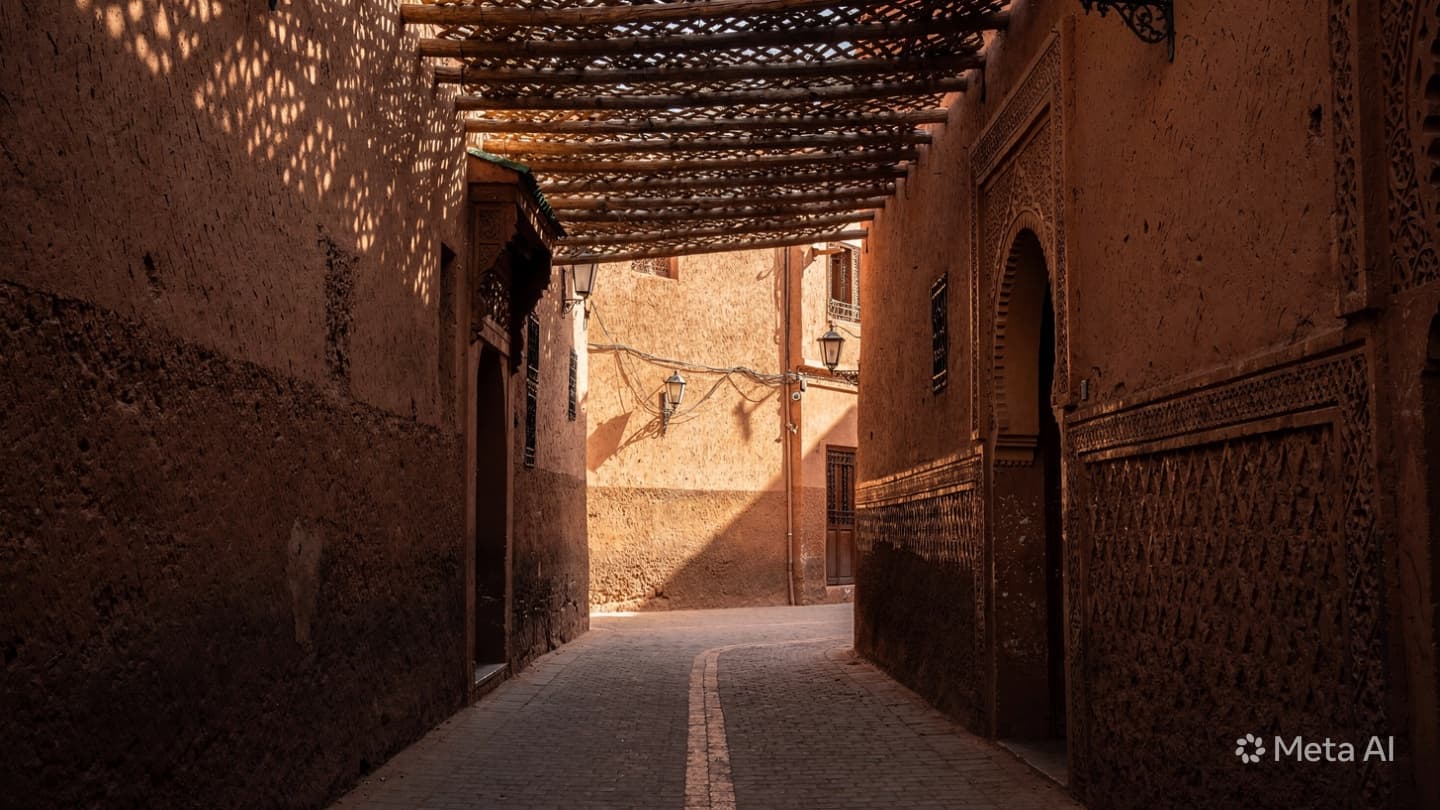
The historic medina of Marrakech is a space defined by its intricate density, a centuries-old maze of pink clay walls, vibrant market stalls, and constant human movement. For generations, this urban labyrinth has operated on a delicate equilibrium where local merchants, residents, and global travelers share narrow corridors filled with the scent of spices and the sound of trade. It is an environment built entirely on hospitality, making any disruption to its daily social contract a matter of immediate significance to the city's caretakers.
A targeted operation by municipal law enforcement recently resulted in the detention of a suspect involved in an unusual case of extortion and physical confrontation within the market quarter. The incident, which involved an altercation with visiting tourists, prompted a rapid but measured intervention by plainclothes officers who monitor the crowded thoroughfares. This administrative action serves as a clear reassertion of protective authority within one of North Africa's most prominent cultural landscapes.
For several days, market vendors and local guides had noticed an unsettling pattern of behavior in a specific sector of the historic district, where unauthorized individuals were attempting to impose arbitrary fees on travelers navigating the artisan stalls. The practice, though isolated, threatened to disturb the carefully maintained atmosphere of safety that allows the medina to thrive as a center of international commerce. The intervention was designed to neutralize this friction before it could affect the wider community.
The suspect now in custody faces detailed questioning regarding their involvement in organized intimidation tactics targeting vulnerable pedestrians. Local judicial officials are processing the case with a focus on preserving the legal protections guaranteed to all visitors within the kingdom. This institutional responsiveness underscores the priority placed on maintaining the integrity of the regional hospitality economy, which forms the financial backbone of many local families.
Within the shaded courtyards and stone archways of the medina, the resolution of the incident has been received by local merchants with a sense of quiet approval. Shopkeepers who rely on the steady flow of peaceful commerce emphasize that the actions of a few non-compliant individuals do not reflect the true character of the historic market. The daily routine of displaying textiles, pottery, and brassware has quickly resumed under the watchful eye of community patrols.
The structural challenge of policing an ancient urban core requires a specialized approach that balances visibility with cultural sensitivity. Marrakech authorities utilize a combination of traditional foot patrols and modern monitoring techniques to ensure that the millions of individuals who pass through the gates each year can do so without anxiety. This continuous oversight remains an essential element in the ongoing preservation of the city's historic status.
As the legal proceedings move forward through the Marrakech court system, the focus remains on ensuring a fair and transparent evaluation of the evidence gathered by investigators. The case serves as a routine but important reminder of the constant administrative effort required to protect the public commons from opportunistic disruption. It is a process that operates quietly behind the scenes of the bustling destination.
With the evening call to prayer echoing over the rooftops of the old city, the bustling activity of the main squares slowly transitions into a more peaceful nighttime rhythm. The visitors and residents continue to mingle along the illuminated pathways, their movements reflecting a shared confidence in the underlying stability of the environment. The temporary modern friction has faded back into the long, complex history of the ancient red city.
Note: This article was published on BanxChange.com and is powered by the BXE Token on the XRP Ledger. For the latest articles and news, please visit BanxChange.com