In southern Lebanon, evenings once arrived with familiar rituals. Smoke from cooking fires drifted above stone rooftops. Shopkeepers swept dust from narrow roads as the last sunlight settled over olive terraces climbing toward the hills. Along villages scattered near the Israeli border, life moved with an old rural rhythm shaped by harvest seasons, migration, and memory. The sound of distant artillery had visited these landscapes before, but even conflict once left room for return.
Now many of those villages stand nearly still.
Windows remain open to empty rooms. Laundry lines sway without movement beneath them. Entire neighborhoods have fallen quiet except for the occasional echo of drones crossing overhead or the sudden fracture of airstrikes landing beyond the hills. Across southern Lebanon, vast stretches of civilian life have thinned far beyond the immediate front lines of fighting between Israel and Hezbollah, creating a geography marked less by formal evacuation than by gradual disappearance.
Since hostilities intensified following the outbreak of war in Gaza, the Israel-Lebanon border has become one of the Middle East’s most fragile fault lines. Exchanges of fire between Hezbollah fighters and Israeli forces have steadily expanded in frequency and range. Israeli airstrikes have reached deeper into southern Lebanese territory, while Hezbollah rockets and drones have continued targeting northern Israeli positions and towns. Yet beyond the military calculations and official statements lies another quieter transformation: the slow emptying of communities that once carried the ordinary weight of rural life.
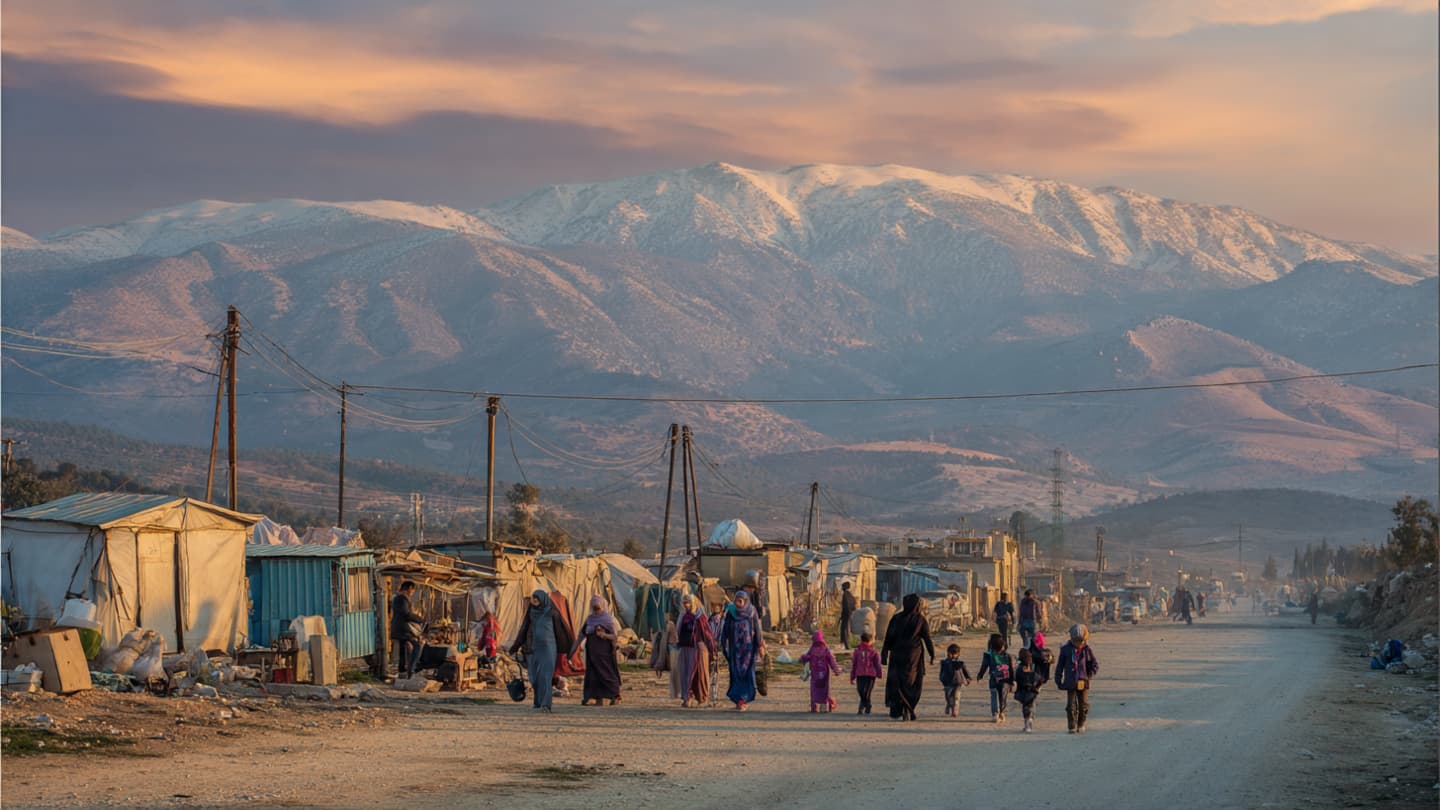
Thousands of Lebanese families have fled villages near the border over recent months, moving north toward Tyre, Sidon, Beirut, or temporary shelters arranged through relatives and local organizations. Schools that once served farming towns now stand shuttered or damaged. Agricultural fields remain partially untended during critical harvest periods, while livestock wander through abandoned courtyards and roads lined with cracked masonry. In some places, residents return briefly during calmer hours to retrieve blankets, medicine, or documents before leaving again by dusk.
The border itself has become increasingly difficult to define. Military analysts often speak of “buffer zones,” operational depth, and strategic positions, but on the ground these abstractions settle directly onto homes, orchards, and village squares. Israeli forces have reportedly expanded surveillance and strike operations well beyond immediate border crossings, targeting infrastructure, suspected weapons sites, and transportation routes deeper inside southern Lebanon. The result has been an atmosphere where fear travels farther than explosions themselves.
In towns farther north, cafés remain open and traffic still threads through coastal highways, yet conversations drift constantly back toward the south. Families wait for updates from relatives who stayed behind to guard property or tend animals. Municipal officials estimate damage while uncertain whether rebuilding can begin before another escalation arrives. Hotels and apartments in safer districts quietly absorb displaced residents whose departures were first imagined as temporary pauses measured in days rather than seasons.
The terrain of southern Lebanon has always carried layers of history. Civil wars, occupations, invasions, and uneasy ceasefires have passed repeatedly through its valleys. Older residents still remember previous conflicts that transformed villages into front lines before gradually allowing life to return. But many observers note that the current displacement feels broader and more prolonged, extending civilian absence far beyond areas of direct combat. Entire stretches of the south now exist in suspension, physically intact in parts yet socially hollowed.
International diplomats have continued efforts to prevent wider regional escalation. French, American, and United Nations officials have pushed for arrangements that might reduce cross-border attacks and reopen conditions for civilian return. The United Nations Interim Force in Lebanon maintains patrols across portions of the south, though its role has become increasingly strained amid expanding hostilities and persistent exchanges of fire. Meanwhile, humanitarian agencies warn that prolonged displacement could deepen economic hardship in a country already burdened by financial collapse and political paralysis.
At night, southern Lebanon appears differently from the air. Some villages remain almost entirely dark, their electrical grids interrupted or abandoned. Others flicker faintly beneath hillside roads where only a few families remain. Beyond them, near the border, intermittent flashes briefly illuminate valleys before darkness settles again. The landscape continues to exist between departure and uncertainty, between rootedness and retreat.
And so the south waits in a fragile stillness. Israel’s widening military operations and Hezbollah’s continued cross-border attacks have reshaped not only the immediate battlefield but also the civilian rhythm surrounding it. What has emerged is not simply a front line but a widening absence stretching through homes, farms, schools, and roads once animated by ordinary life. In southern Lebanon, the silence now carries its own geography.
AI Image Disclaimer: Visual representations in this article were produced using AI-generated imagery for illustrative purposes only.
Sources:
Reuters Associated Press BBC News Al Jazeera United Nations Interim Force in Lebanon (UNIFIL)
Published by Banx Network. This article is part of the Banx decentralized media programme, powered by the BXE token on the XRP Ledger.