Opening: Nature, in its most turbulent moments, reminds us of our smallness in the face of elemental forces. In parts of China, a powerful typhoon recently unleashed a barrage of rain and wind, transforming familiar streets into rushing rivers and skies into swirling vortexes. Residents described the experience with a sense of awe and terror, noting how quickly the water rose and how unexpectedly tornadoes formed. This event is not just a weather report; it is a vivid illustration of the increasing intensity of extreme weather patterns in a changing climate.
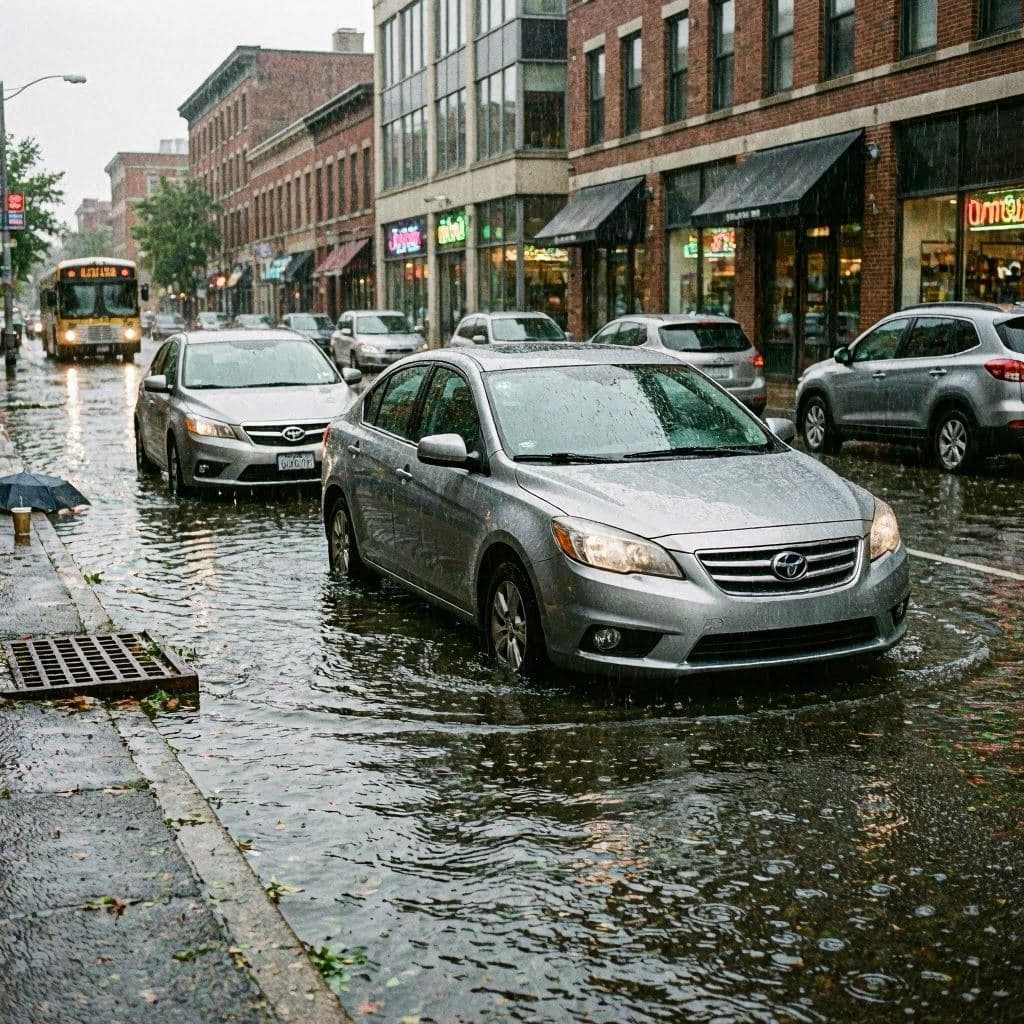
Body: The typhoon made landfall with fierce energy, bringing heavy rainfall that overwhelmed drainage systems and caused widespread flooding. In urban areas, the speed at which water accumulated caught many off guard, leading to dangerous situations for drivers and pedestrians. Emergency services worked tirelessly to rescue those trapped in vehicles and homes, highlighting the critical importance of rapid response in such crises. The phrase "the water just came so fast" captures the suddenness and unpredictability that characterize these modern storms.
What made this event particularly unusual was the formation of tornadoes, a rare phenomenon in this region during typhoons. These swirling columns of air added another layer of destruction, tearing through buildings and uprooting trees. Meteorologists explain that the interaction between the typhoon’s strong winds and local atmospheric conditions created the perfect environment for such vortices. It is a reminder that weather systems are becoming more complex and volatile, defying traditional expectations.
The impact on communities was profound. Homes were damaged, businesses disrupted, and livelihoods threatened. For many, the loss of property is compounded by the emotional toll of witnessing their environment transform so violently. Support networks mobilized quickly, offering shelter and supplies to those affected. This collective response underscores the resilience of communities in the face of adversity, even as they grapple with the scale of the damage.
Climate change plays a significant role in intensifying such events. Warmer ocean temperatures provide more energy for typhoons, leading to heavier rainfall and stronger winds. Scientists warn that these trends are likely to continue, making extreme weather more frequent and severe. Adapting to this new reality requires investment in infrastructure, better early warning systems, and sustainable urban planning. It is a challenge that demands both local action and global cooperation.
Government authorities have launched investigations into the preparedness and response mechanisms, seeking lessons to improve future resilience. While no system can completely prevent the impacts of a major typhoon, improvements in drainage, building codes, and emergency protocols can mitigate harm. Transparency in these reviews helps build public trust and ensures that resources are directed where they are most needed.
For residents, the aftermath is a time of cleanup and reflection. As waters recede, the focus shifts to rebuilding and restoring normalcy. Yet, the memory of the storm lingers, serving as a cautionary tale about the power of nature. It encourages a deeper appreciation for environmental stewardship and the need to protect the ecosystems that buffer us from such extremes.
Closing: In the end, the typhoon and its associated tornadoes are a stark reminder of the vulnerabilities we face in a warming world. They call for vigilance, preparation, and a commitment to addressing the root causes of climate change. As communities recover, their strength and solidarity offer hope, proving that even in the face of disaster, human spirit endures.
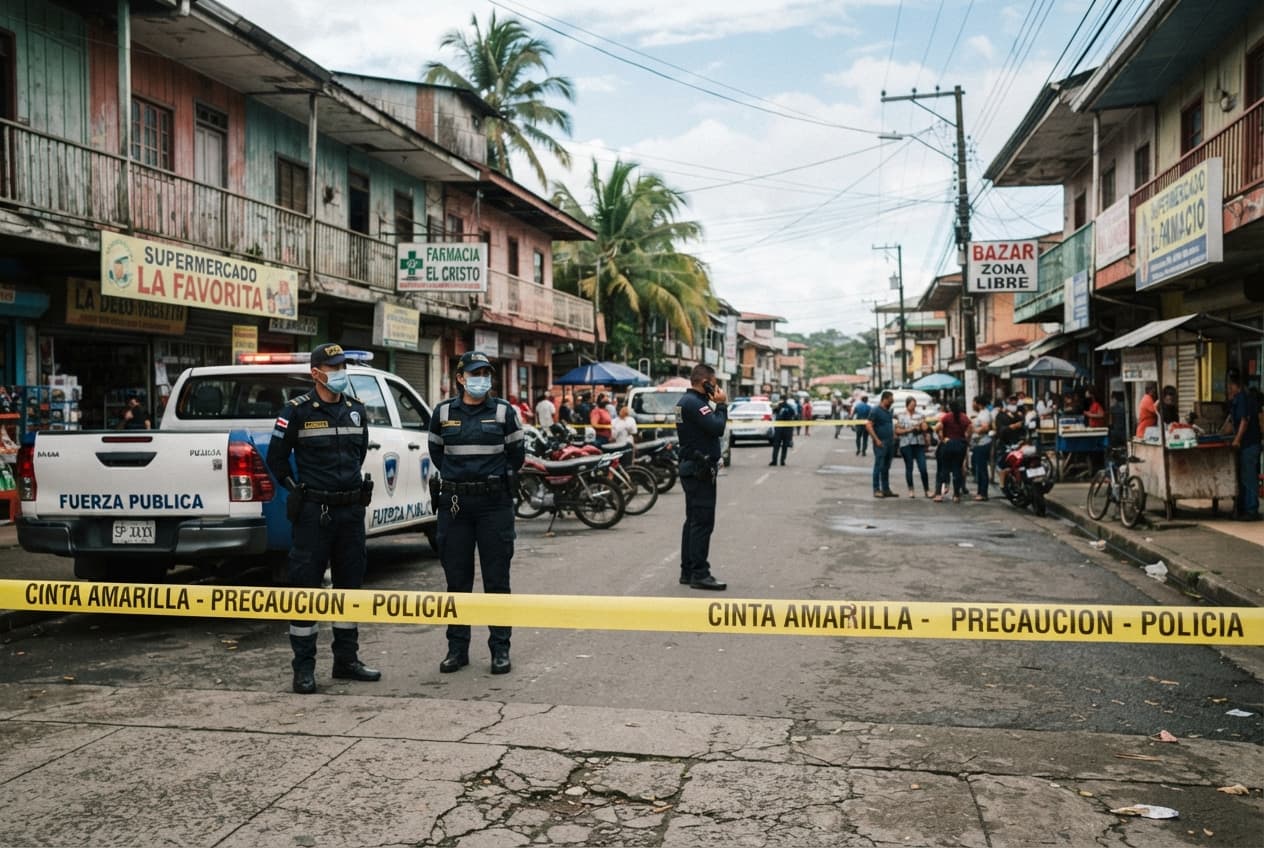
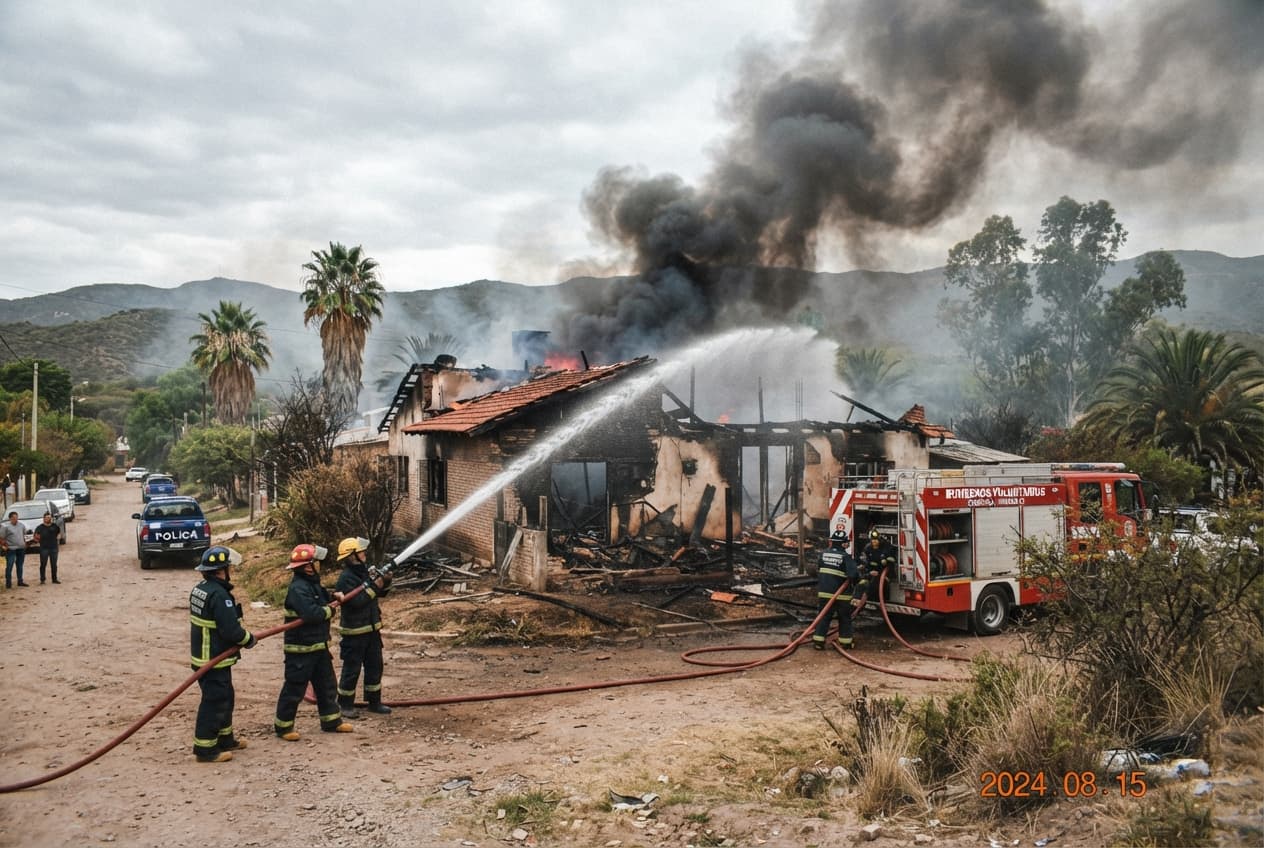
AI Image Disclaimer: The visual representations associated with this article are AI-generated artistic interpretations designed to illustrate the themes of extreme weather and resilience.
Sources: China Daily Xinhua News Agency Reuters
Note: This article was published on BanxChange.com and is powered by the BXE Token on the XRP Ledger. For the latest articles and news, please visit BanxChange.com