
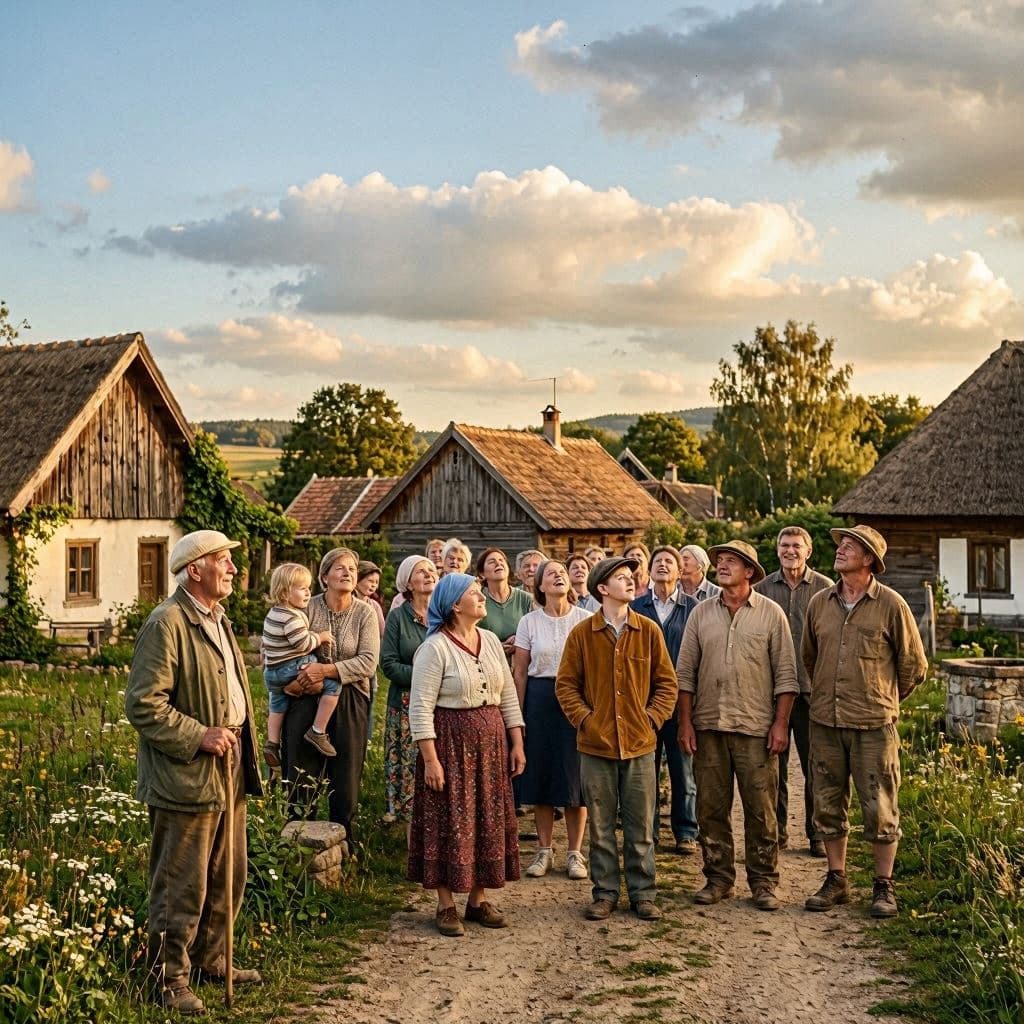
In the quiet corners of Indonesia, where time seems to move at the pace of the tides, a rare celestial event recently brought a surge of unprecedented activity. A total solar eclipse, visible only from specific paths, drew approximately 500,000 tourists to remote villages that had rarely seen such crowds. This influx transformed sleepy hamlets into bustling hubs of excitement, blending ancient wonder with modern tourism. It was a moment where the sky commanded attention, and communities opened their doors to the world.
Body: The eclipse, a phenomenon where the moon completely blocks the sun, is a rare and awe-inspiring sight. For residents of these remote areas, it was a familiar part of their natural cycle, but for visitors, it was a bucket-list experience. The promise of witnessing totality drove people from cities and abroad to travel deep into the countryside, seeking the best viewing spots away from light pollution and urban haze.
The impact on local economies was immediate and profound. Small guesthouses, warungs (local eateries), and transport services saw a boom in business. Farmers sold produce to feed the hungry crowds, and artisans found new markets for their crafts. For many villagers, this event provided a significant financial boost, offering a glimpse of the economic potential of eco-tourism and astronomical events.
However, the sudden arrival of half a million visitors also posed challenges. Infrastructure in remote areas is often limited, with narrow roads and basic sanitation facilities. Local authorities worked tirelessly to manage traffic, ensure safety, and maintain order. Community leaders played a crucial role in guiding visitors, sharing local customs, and ensuring that the event remained respectful and orderly.
Cultural exchange flourished amidst the chaos. Tourists interacted with locals, learning about traditional practices and stories associated with the eclipse. In some regions, eclipses are viewed through mythological lenses, adding a layer of cultural depth to the scientific spectacle. This interaction fostered mutual respect and understanding, bridging gaps between urban and rural lifestyles.
Environmental concerns were also addressed. Efforts were made to minimize waste and protect natural habitats from the foot traffic of thousands. Education campaigns encouraged responsible tourism, reminding visitors to leave no trace and respect the local environment. These measures helped preserve the integrity of the villages while accommodating the surge in guests.
The success of this event has sparked discussions about future tourism strategies. Remote villages, often overlooked, possess unique natural and cultural assets that can attract niche markets. By preparing for such events and investing in sustainable infrastructure, these communities can benefit from tourism without compromising their way of life.
Closing: As the shadows lifted and normalcy returned, the remote villages were left with memories and economic gains. The eclipse was more than a celestial alignment; it was a catalyst for connection and growth. It showed that even the most secluded places can shine when the world looks up.
AI Image Disclaimer: Images included here are AI-generated depictions of rural Indonesian landscapes and crowd scenes, designed to visualize the context of the event without depicting specific real-world individuals.
Sources: Antara News The Guardian Jakarta Post Local Tourism Reports
Note: This article was published on BanxChange.com and is powered by the BXE Token on the XRP Ledger. For the latest articles and news, please visit BanxChange.com