
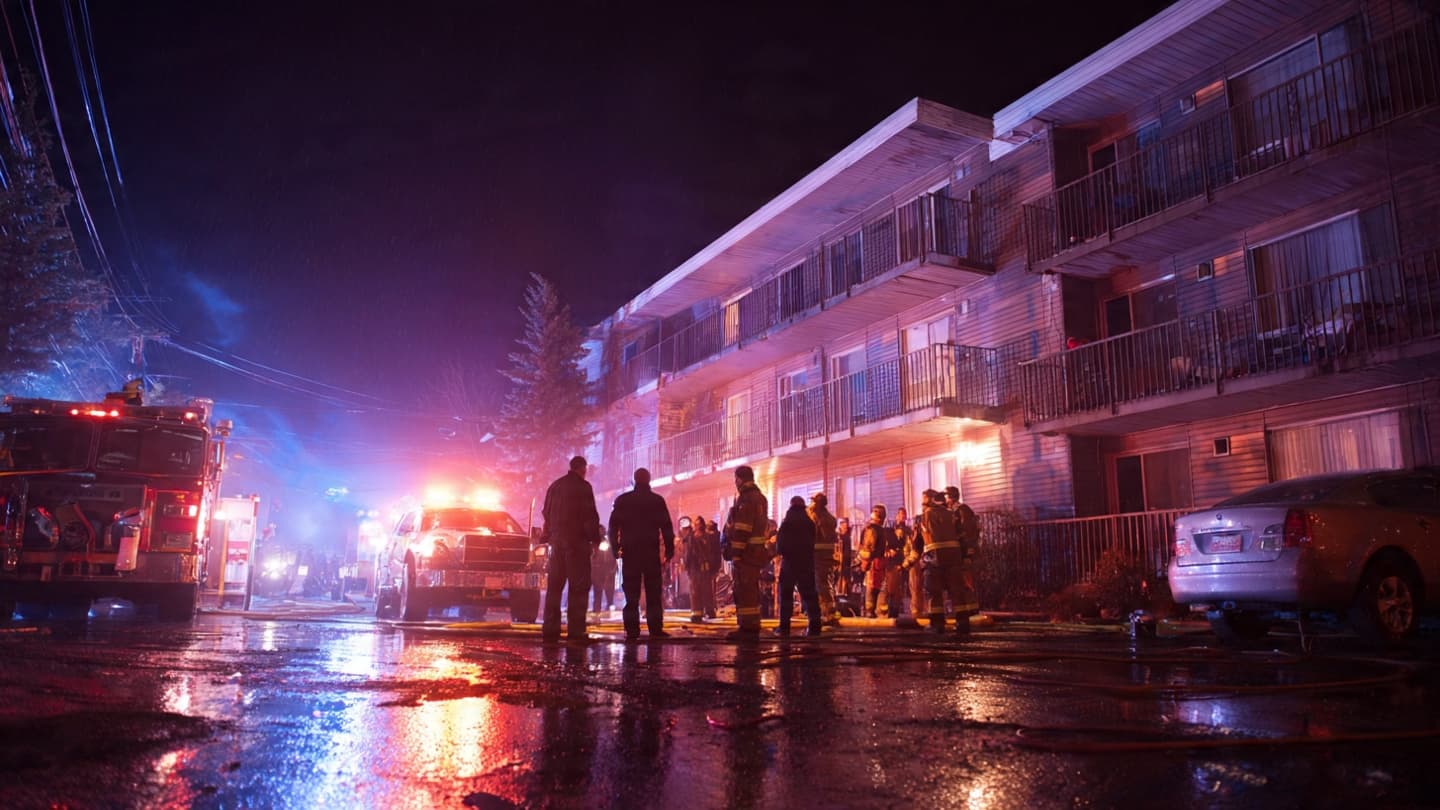
In times of prolonged conflict, the rhythm of daily life often becomes intertwined with the distant echo of sirens and the constant awareness of uncertainty. Across Ukraine, communities continue to adapt to a reality shaped by military operations, where each new development reflects not only strategic decisions but also the enduring resilience of civilians living amid war. Recent reports of renewed drone attacks illustrate how the conflict remains active across several regions.
Ukrainian authorities reported a new wave of drone strikes targeting multiple areas as fighting intensified along different sections of the front line. Air defense systems were activated overnight, with officials stating that many incoming drones were intercepted before reaching their intended targets. Nevertheless, some infrastructure and residential areas experienced damage, while emergency crews responded to affected locations to assess the situation and assist local residents.
According to statements from Ukraine's military, the latest attacks formed part of continued aerial operations that have become a recurring element of the conflict. Military officials emphasized that air defense units remain on high alert as both sides continue to employ drones for reconnaissance and long-range strike missions. The widespread use of unmanned systems has significantly reshaped modern battlefield tactics throughout the war.
Regional governors reported varying levels of impact depending on the location. In some areas, electricity networks and public facilities required repairs following debris from intercepted drones. Local emergency services worked through the night to restore essential services where possible, while authorities encouraged residents to remain attentive to air raid warnings and official safety guidance.
The renewed aerial attacks occurred alongside continued fighting across several front-line regions. Ukrainian officials described ongoing military engagements involving artillery, armored vehicles, and infantry operations. Independent analysts note that neither side has achieved a decisive breakthrough in recent months, resulting in continued pressure across multiple sectors rather than a single concentrated offensive.
International partners continue to monitor developments closely while maintaining diplomatic engagement and humanitarian assistance. Several governments have reiterated their support for Ukraine's sovereignty and territorial integrity, while also emphasizing the importance of protecting civilians and critical infrastructure during armed conflict. Humanitarian organizations remain active in delivering aid to communities affected by ongoing hostilities.
Military experts observe that drone technology has become one of the defining characteristics of the conflict. Compared with traditional aircraft, drones provide relatively lower-cost surveillance and strike capabilities, allowing both sides to conduct operations over considerable distances. At the same time, advances in electronic warfare and air defense systems continue to influence the effectiveness of these operations.
Despite the continued escalation in military activity, daily life continues wherever circumstances permit. Schools, hospitals, businesses, and local governments strive to maintain essential services, even as security conditions remain unpredictable. The resilience shown by communities reflects an ongoing effort to preserve normalcy amid extraordinary challenges, while diplomatic efforts toward a lasting peace continue to face significant obstacles.
AI Image Disclaimer: This illustration was created using artificial intelligence for visual representation purposes and does not depict an actual photograph from the reported events.
Sources (verification check): Reuters, Associated Press (AP), BBC News, CNN, The Kyiv Independent
Note: This article was published on BanxChange.com and is powered by the BXE Token on the XRP Ledger. For the latest articles and news, please visit BanxChange.com