
In the southern province of Champasak, the annual arrival of the monsoon is typically greeted with a sense of agricultural anticipation, as the seasonal rains are the lifeblood of the vast, emerald rice paddies that carpet the low-lying plains. The relationship between the rural populations and the sky is one of ancient compromise, balanced on the understanding that the earth can absorb the heavy gifts of the clouds if given sufficient time. However, there are seasons when the sky refuses to pace itself, pouring weeks of moisture into the span of a few relentless hours.
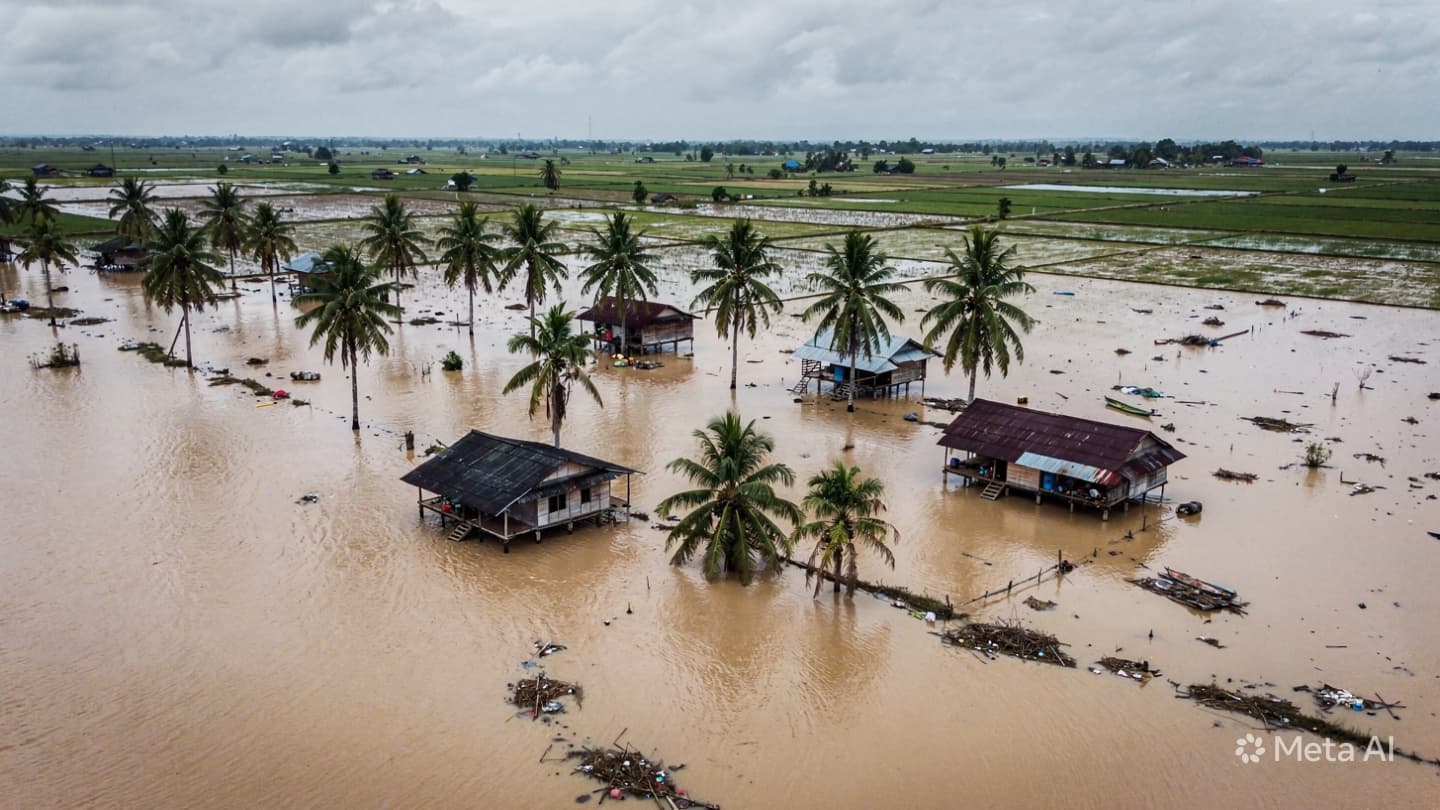
The transition from a nurturing rain to a destructive deluge occurred over a weekend marked by an oppressive, dark grey horizon that seemed to touch the tops of the palm trees. The drainage channels, designed to handle the predictable overflow of the local tributaries, were quickly overwhelmed as the volume of water exceeded all historical baselines. Across the rural districts, the dry land vanished beneath a moving sheet of brown, silt-laden water that transformed roads into canals and fields into lakes.
For the farming communities living in traditional wooden homes raised on stilts, the rising waters brought an immediate, quiet crisis of displacement and loss. From their elevated vantage points, residents watched the steady advance of the floodwaters as they swallowed kitchen gardens, livestock enclosures, and the young crops that represented months of grueling labor. The atmosphere was filled with the heavy, continuous roar of falling rain and the distant, troubled lowing of cattle being led to higher ground.
The impact of flash flooding in these remote sectors is particularly severe due to the fragility of the rural infrastructure. Earthen dikes, painstakingly maintained by local cooperatives to regulate the water levels in the paddies, dissolved under the pressure of the flash currents, allowing the floodwaters to scour away the topsoil. The delicate balance of rural life, where self-sufficiency is tied directly to the predictable behavior of the seasons, was momentarily shattered by the weight of the storm.
As the second day of the downpour drew to a close, local volunteer networks and district officials began the difficult work of reaching isolated hamlets using small motorized boats. The rescue efforts were conducted in a spirit of quiet resilience, with neighbors helping neighbors move elderly relatives and basic provisions to the safety of concrete school buildings and Buddhist temples located on higher ridges. There was no panic, but rather a somber, shared understanding of the long recovery that lay ahead.
The long-term economic consequences of such an event will be felt long after the waters eventually recede into the Mekong system. Rice plants can survive submergence for only a limited number of days before the stalks begin to rot, threatening the food security and financial stability of hundreds of smallholders. The loss of stored grain, agricultural tools, and domestic animals adds an additional layer of hardship to an already demanding way of life.
By the third morning, the rain finally eased to a light, persistent drizzle, leaving behind a vastly altered landscape that stretched as far as the eye could see. The tops of fence posts and the roofs of abandoned agricultural sheds peeked out from the calm, glassy surface of the floodwaters, creating an eerie, beautiful, and heartbreaking panorama of inundation. The community now faces the slow, muddy process of returning to their homes to assess the structural damage left behind by the current.
In a comprehensive report issued by the Champasak Disaster Management Committee, it was confirmed that severe flash flooding triggered by monsoon downpours has affected over thirty low-lying rural villages across the province. Emergency shelters have been established for displaced residents, and initial assessments indicate extensive damage to thousands of hectares of arable land. No casualties have been officially confirmed, and relief distribution is currently underway in the hardest-hit sectors.
Note: This article was published on BanxChange.com and is powered by the BXE Token on the XRP Ledger. For the latest articles and news, please visit BanxChange.com