The coming of the rain is usually welcomed in the agricultural heartlands of Ecuador, a necessary blessing that revives the soil and fills the irrigation channels after weeks of dry heat. But there is a threshold where the blessing becomes a burden, where the volume of water falling from the sky outpaces the earth’s ability to absorb it. When that line is crossed, the landscape transforms rapidly, turning familiar drainage ditches into torrents and low-lying streets into shallow, muddy lakes.
Across multiple cantons, this seasonal transition occurred with a sudden, overwhelming force that caught local authorities and residents off guard. The downpours were not scattered showers but prolonged, intense deluges that dropped weeks' worth of precipitation in a matter of hours. The result was a series of flash flood emergencies that rippled across jurisdictional boundaries, testing the readiness of local response teams and the resilience of community infrastructure.
The Risk Management Secretariat (SNGR) moved quickly to declare formal emergencies in the affected regions, an administrative acknowledgment of a crisis already visible on the ground. This designation allows for the rapid reallocation of resources, sending heavy equipment and emergency funding to cantons where the local capacity had been completely exhausted. It is a necessary bureaucracy that attempts to bring structure to a chaotic environmental event.
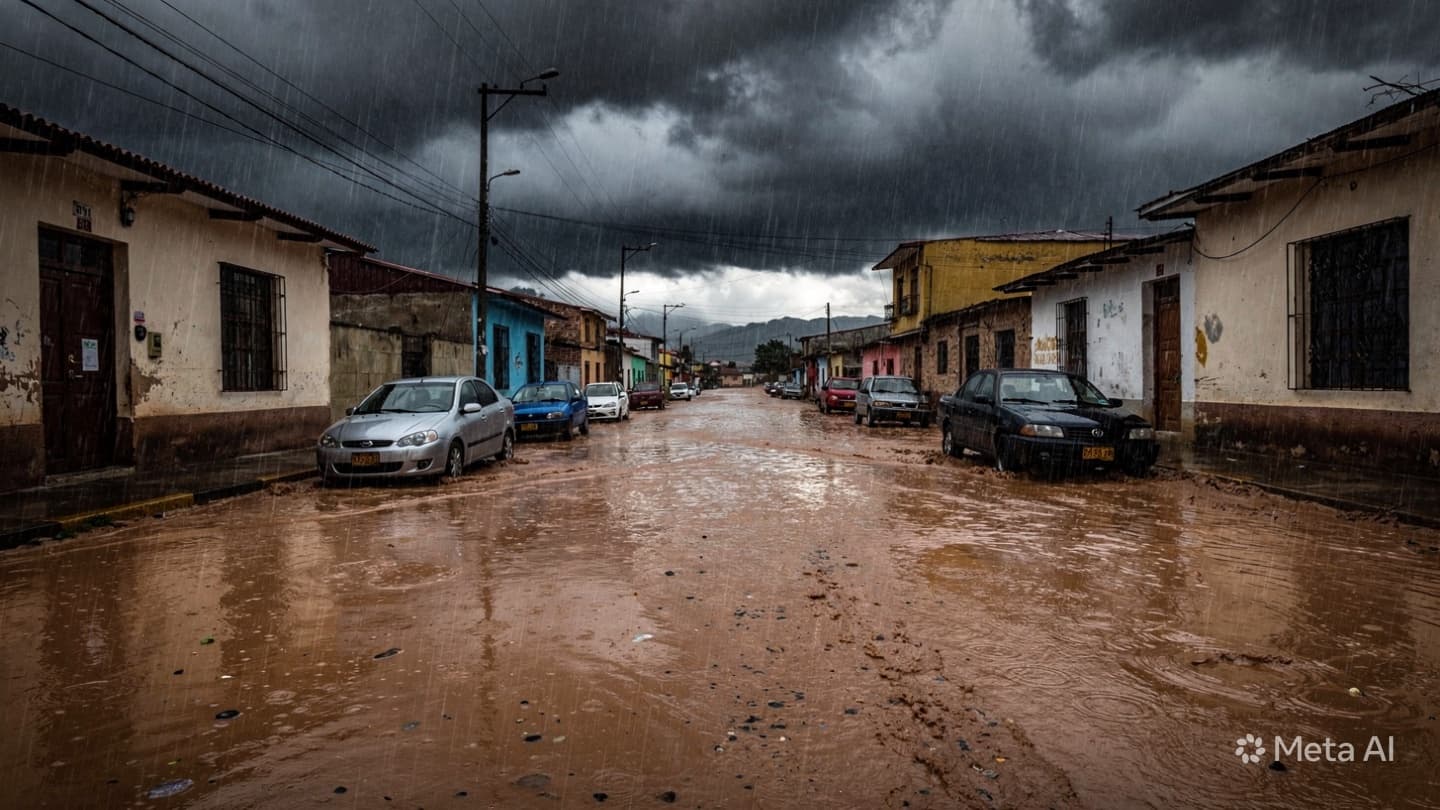
In the affected towns, the flooding manifested as a quiet, steady invasion of private spaces, with muddy water rising through floorboards and filling basements. Residents were forced to make quick decisions, lifting appliances onto concrete blocks and gathering essential documents before abandoning their homes for higher ground. The streets, normally alive with the sound of commerce, fell silent save for the roar of rushing water and the occasional rumble of a rescue vehicle.
The failure of urban drainage systems lies at the center of these recurring emergencies, a technical vulnerability that grows more pronounced with every passing year. As towns expand, concrete replaces soil, leaving rainwater with fewer places to naturally sink into the earth, forcing it instead into antiquated pipe networks that were never designed for such volumes. The current crisis highlights the urgent need for a reassessment of how municipal spaces are designed to handle extreme weather.
Volunteer corps and civil defense units formed the backbone of the immediate response, navigating the flooded sectors in inflatable boats and high-clearance trucks to assist vulnerable populations. Elderly residents and families with young children were carried from their homes, their faces reflecting a mix of exhaustion and quiet resignation as they were transported to temporary shelters. These makeshift refuges, set up in gymnasiums and churches, provided a dry space but little comfort.
As the floodwaters begin their slow retreat, they leave behind a thick, foul-smelling layer of mud and debris that coats everything it touches. The work of cleanup is a long and unglamorous process, requiring neighborhoods to work collectively to clear the streets and sanitize flooded structures before disease can take hold. It is in this phase that the true cost of the disaster begins to be calculated, measured in ruined furniture, spoiled inventory, and lost wages.
The regional response to the flash floods will likely occupy local governments for months to come, driving debates over infrastructure funding and environmental planning. The immediate danger may pass when the clouds finally clear, but the structural weaknesses exposed by the water will remain until they are directly addressed. For now, the cantons remain in a state of watchful waiting, hoping the next storm system passes wide of their borders.
The Secretariat for Risk Management reported that flash flood declarations are currently active in seven cantons, affecting approximately twelve thousand individuals and causing significant damage to municipal drainage networks. Emergency distribution centers have been established to provide blankets, non-perishable food, and clean water to families housed in temporary public shelters.
Published by Banx Network. This article is part of the Banx decentralized media programme, powered by the BXE token on the XRP Ledger.