.jpg&w=3840&q=75 "When the Skies Break Open: The Long Inundation of Madagascar's Eastern Valleys")
The rains over the eastern coast of the island did not arrive as a passing tropical shower, but as a dense, unyielding wall of water that fell for days without interruption. The sky hung low and purple over the Indian Ocean, opening up over the coastal hills and pouring millions of gallons onto land already saturated by the season. It was an atmospheric event that quickly overwhelmed the natural defenses of the landscape, turning small streams into torrents.
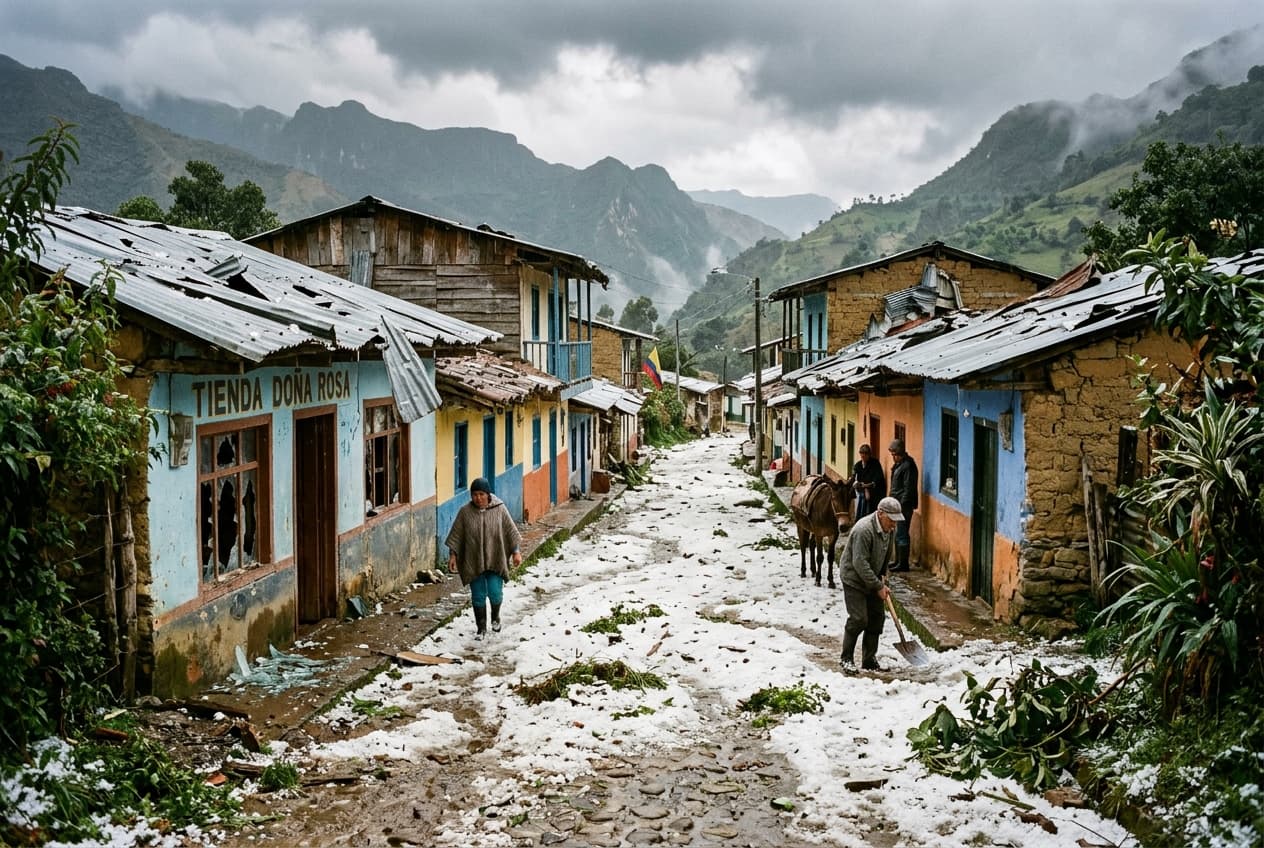
By the second day of the downpour, the red clay earth that characterizes the region could no longer absorb the moisture, and the water began to accumulate on the surface. In the lower valleys, where agricultural communities cultivate rice and build their homes from wood and thatch, the rising levels became an immediate threat. The rivers broke their banks with a dull roar, sending muddy brown water spilling into the narrow streets of the villages.
The inundation moved with a deceptive softness, slowly creeping up the wooden stilts of the houses and entering the living spaces before residents could fully prepare. Possessions were lifted onto tables and rafters, and families watched from elevated platforms as the familiar landscape of their daily lives disappeared beneath a vast, brown lake. The paths that connected the community were erased, replaced by currents that made movement impossible without a boat.
As the flooding deepened, isolated villages were cut off from the larger towns, their access roads washed away or buried under feet of moving water. The isolation brought a sudden, sharp vulnerability; without communication networks or dry paths, the communities had to rely entirely on their own resources to survive the rising tide. The simple act of finding clean drinking water became a critical challenge as the local wells were swallowed by the flood.
Local leaders organized improvised rescue efforts, using traditional dugout canoes to move the elderly and young children from submerged homes to the relative safety of higher ridges. These high points became crowded sanctuaries, where families gathered under makeshift tarpaulins, watching the rain continue to dimple the surface of the waters below. The look on their faces was one of quiet resignation, a familiarity with the power of an unpredictable climate.
The agricultural damage is catastrophic, with vast fields of rice—the economic lifeblood of the eastern province—completely submerged beneath the silt-laden currents. The crops, which were weeks away from harvest, will likely rot beneath the surface, ensuring that the impact of this single weather event will be felt for months after the water recedes. The future has been clouded by the loss of the harvest, adding economic anxiety to physical displacement.
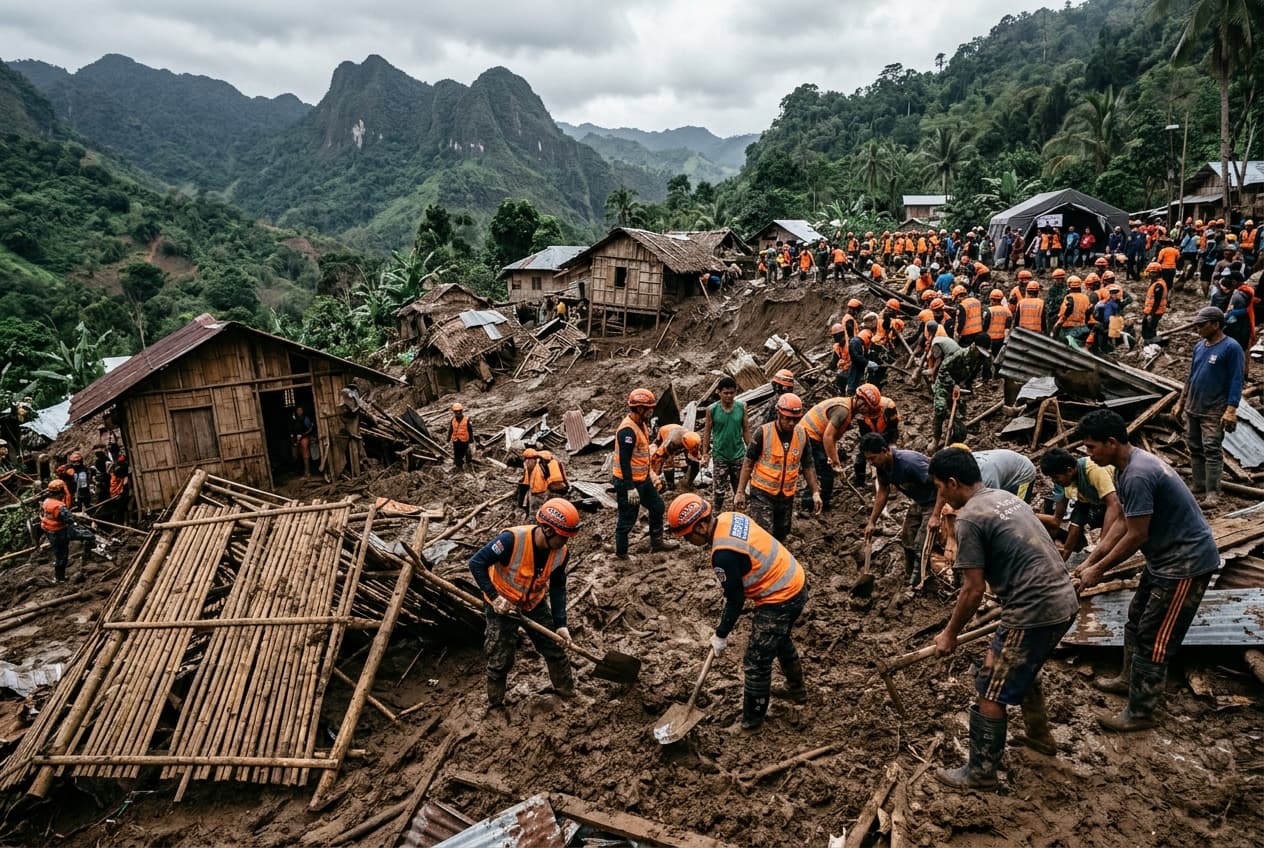
National emergency personnel faced severe challenges in reaching the affected areas, as bridges had collapsed under the weight of the water and debris carried down from the highlands. The response was a slow, frustrating process of navigating a landscape that had been fundamentally rewritten by the elements. From the air, the region appeared not as a network of communities, but as an endless marshland punctuated by the tips of roofs.
As the third night approached, the rain finally began to soften into a steady drizzle, though the water levels remained stubbornly high, held back by the high tides of the ocean. The darkness over the flooded villages was absolute, broken only by the occasional flicker of a kerosene lamp from a hillside shelter. The people waited in the dark, listening to the sound of the water, wondering what would be left when the land finally reappeared.
The National Disaster Management Office of Madagascar has issued a red alert for multiple eastern districts following reports of extensive flooding in low-lying villages. Emergency teams are attempting to deploy relief supplies, including food and water purification tablets, to the isolated communities as weather patterns show signs of stabilization.
Published by Banx Network. This article is part of the Banx decentralized media programme, powered by the BXE token on the XRP Ledger.