
A regional museum is more than a simple repository for old objects; it is a sanctuary where a community keeps its visual memory, a quiet space where the past speaks to the present through canvas, oil, and stone. These institutions, often housed in historic buildings or elegant modern pavilions, operate with a calm, scholarly dignity. Visitors move through the galleries with soft steps, their attention focused on the framed worlds that hang beneath specialized lighting.
On a night when the wind was low and the surrounding town had settled into sleep, that cultural sanctuary was silently breached by an expert intrusion. The security systems, designed to protect the high-value collection from the outside world, were bypassed with a precision that suggested detailed prior observation. The thieves moved through the darkened galleries with a singular purpose, ignoring the general collection to target a selection of historic masterpieces.
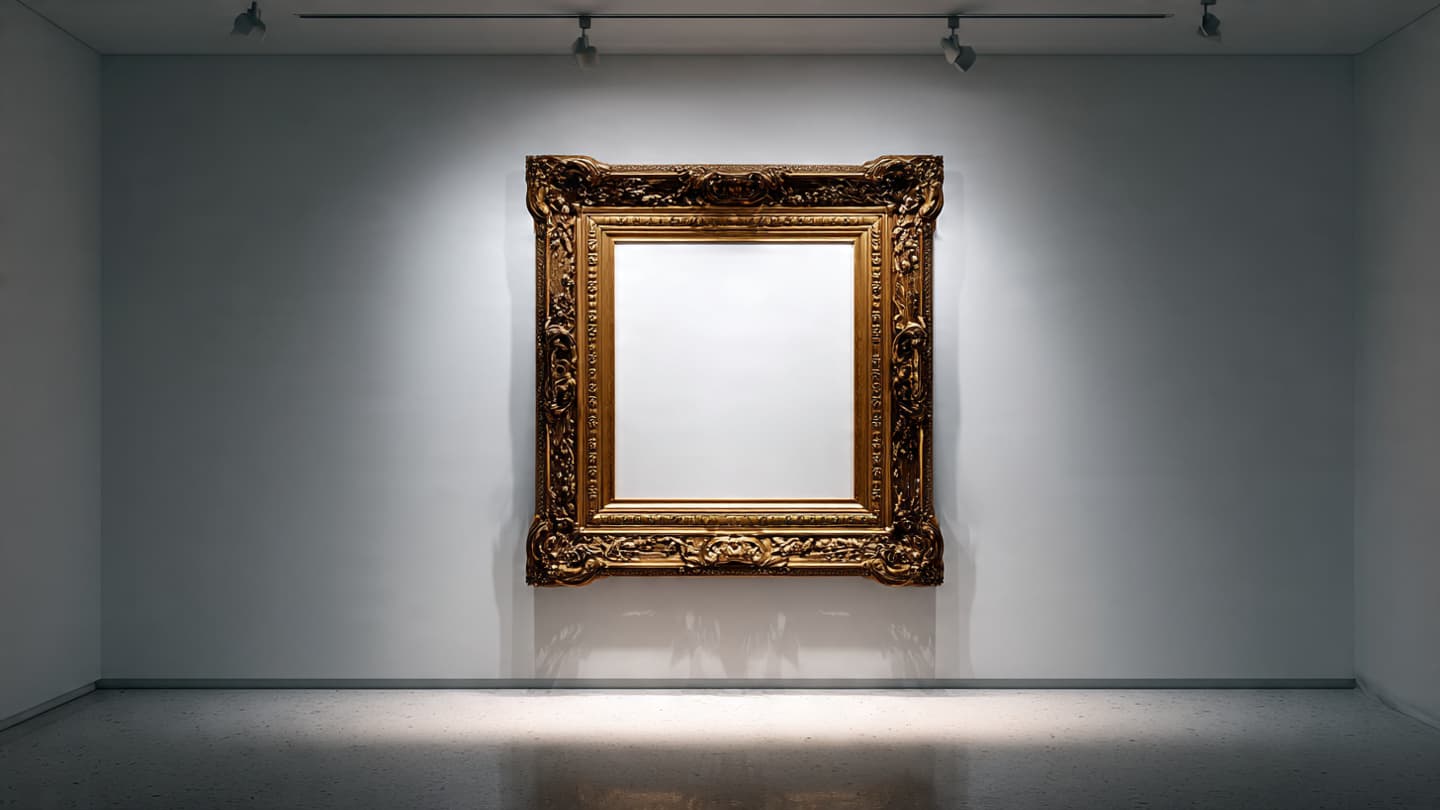
The theft was executed with a clinical quietness, the canvases removed from their heavy frames with sharp tools, leaving the ornate wooden borders hanging empty on the white walls. The transition from a complete, invaluable collection to a fractured gallery occurred within the space of a few midnight hours. When the morning staff arrived to open the doors, they were met not with the familiar comfort of art, but with the cold shock of empty spaces.
The immediate aftermath transformed the museum from a place of public leisure into an active criminal investigation zone. The gallery doors were locked to the public, and the soft footsteps of art lovers were replaced by the firm, methodical movements of forensic specialists. Officers dusted the empty frames for fingerprints and analyzed the digital footprints left behind on the security network, searching for a flaw in the execution.
A nationwide police alert was triggered within hours, distributing images of the stolen artworks to border crossings, international ports, and art market monitors across Europe. In the modern world, a high-value art theft is a race against time, as the pieces can vanish into private, subterranean collections or be moved across borders before the public is fully aware of the loss. The cultural heritage of the region had become a hot commodity.
The psychological impact on the museum community was profound, a mixture of professional grief and a sense of institutional violation. To steal art is to take something that belongs collectively to the public, reducing a shared cultural achievement to a hidden piece of financial currency. Curators stood before the empty spaces with a quiet sadness, wondering if the colors would ever return to their walls.
As the days progress, the investigation has widened to look at the global networks that drive the illicit art trade, recognizing that such specific thefts are rarely opportunistic. They are often commissioned by entities who operate far from the peaceful towns of Denmark, utilizing specialized logistics to obscure the provenance of the paintings. The empty frames remain on the walls, a stark testament to the vulnerability of beauty.
The museum will eventually reopen its remaining galleries, the rhythm of public visits resuming under a significantly heightened security presence. Yet, the atmosphere inside the rooms will carry a lingering memory of the vanished canvas, a silent scar in the history of the collection that will remain until the masterpieces are recovered.
National police authorities have launched a comprehensive nationwide alert following a high-value art theft at a regional museum, where several historic paintings were removed from their frames overnight. Specialist cultural property units are working in coordination with international border security agencies to prevent the illicit transit of the stolen artworks.
Note: This article was published on BanxChange.com and is powered by the BXE Token on the XRP Ledger. For the latest articles and news, please visit BanxChange.com