
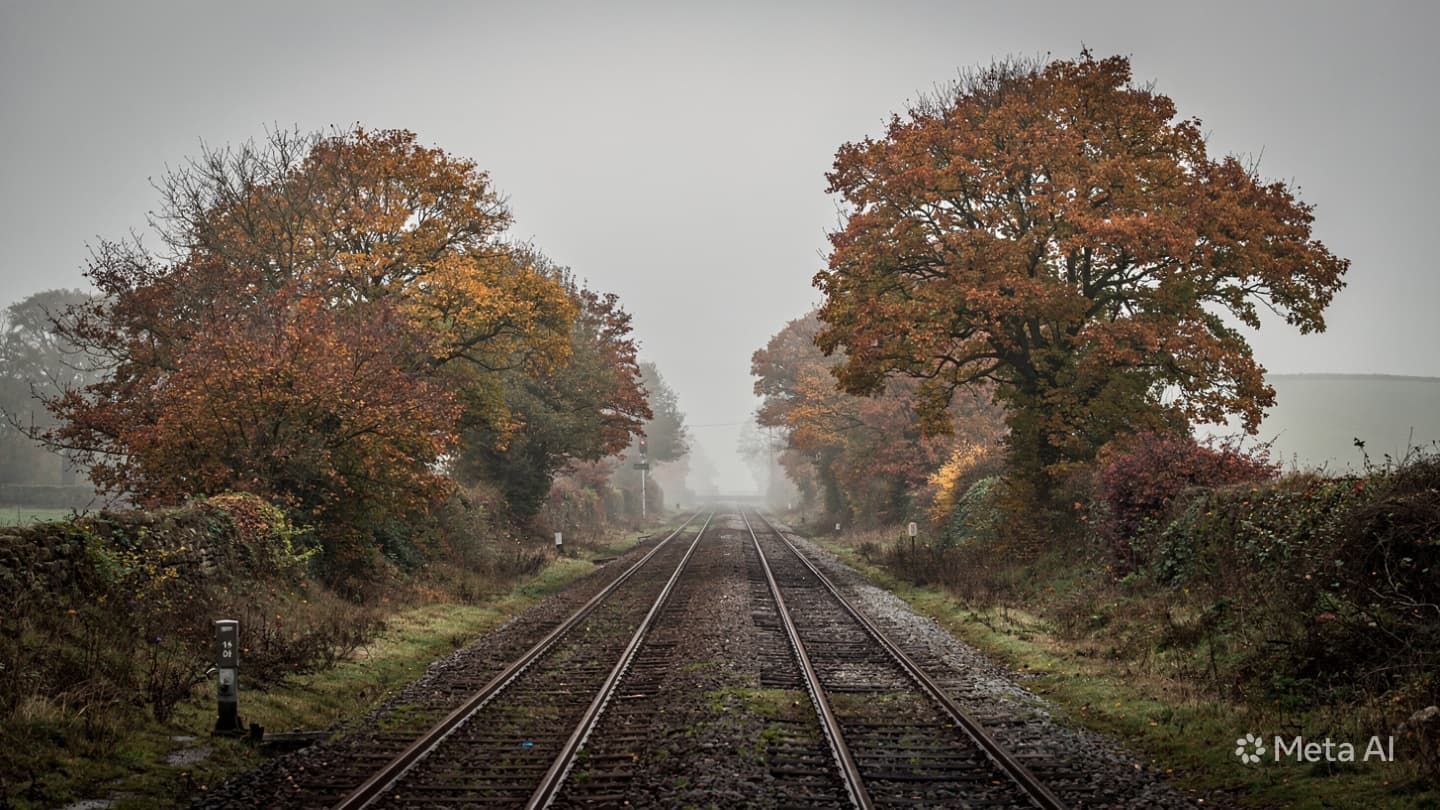
The railways of Northern England are the iron veins of the region, pulsing with the constant, rhythmic movement of travel that connects the disparate points of our lives. At a rail crossing, this movement is governed by a strict, engineered order—a geometry of barriers, signals, and warnings that ensure the safety of all who pass. Yet, when that order is disrupted by an unforeseen event, the contrast between the unstoppable momentum of the train and the vulnerability of the individual becomes painfully clear.
The recent incident at a level crossing in the North has left an indelible mark on the community. It is an event that forces us to reckon with the inherent tension between the convenience of our rail systems and the safety of those who traverse them. The crossing, which serves as a vital bridge between neighborhoods, is now a site of mourning, its familiar industrial clatter dampened by the weight of what has transpired in its shadow.
In the wake of such an event, the analytical response is swift. The British Transport Police arrive to map the scene, to assess the signals, the visibility, and the adherence to safety protocols—all the technical markers that allow for a reconstruction of the tragedy. These details are vital for the legal and safety assessments that follow, yet they feel insufficient to capture the profound, singular loss of a life. The victim, whose journey was cut short in a moment of crossing, leaves behind a void that no forensic report can ever fill.
There is a contemplative distance required to view this tragedy. We are reminded that our movement through these spaces is governed by an unspoken contract of mutual awareness, a shared responsibility that is as fragile as the metal and wood of the crossing. When that contract is violated, the consequences are immediate and permanent. It forces us to ask how we might further improve our safety systems and how we might cultivate a more profound respect for the gravity of the rail corridor.
The community in the North, accustomed to the presence of the tracks as a sign of connectivity, is now forced to reconcile that utility with the reality of this loss. There is a sense of collective exhaustion that comes with the constant cycle of accidents and awareness. Yet, the tragedy in this instance serves as a necessary, sobering reminder that every person crossing the tracks is a world unto themselves, with a purpose and a presence that is far more significant than the transit schedule.
As the investigation unfolds and the details are processed, there is a space created for reflection. We look at the crossings differently—with a bit more caution, a bit more awareness of the unstoppable power of the trains and the pedestrians or vehicles that share the space. The incident is a prompt to reconsider the balance of our public infrastructure, urging us to recognize that the safety of the individual must remain the paramount concern in the management of our rail systems.
Ultimately, the event leaves us in a state of quiet contemplation. The trains will continue their routes, the signals will continue their cycle, and the crossings will fill again with the pulse of Northern life. But for those affected, the memory of this day is a permanent, immovable landmark. It is a moment that invites us to slow down, to heed the warnings, and to honor the fragility of our shared existence in the rush of the modern world.
British Transport Police have confirmed that one person died following an incident involving a train at a rail crossing in North England on May 30, 2026. Emergency services were called to the scene shortly after the collision, where the individual was pronounced dead. Rail services in the area were suspended for several hours while investigators examined the site and recovered evidence. Authorities are currently working to establish the circumstances of the incident and have urged anyone who may have witnessed the event to come forward.
Note: This article was published on BanxChange.com and is powered by the BXE Token on the XRP Ledger. For the latest articles and news, please visit BanxChange.com