
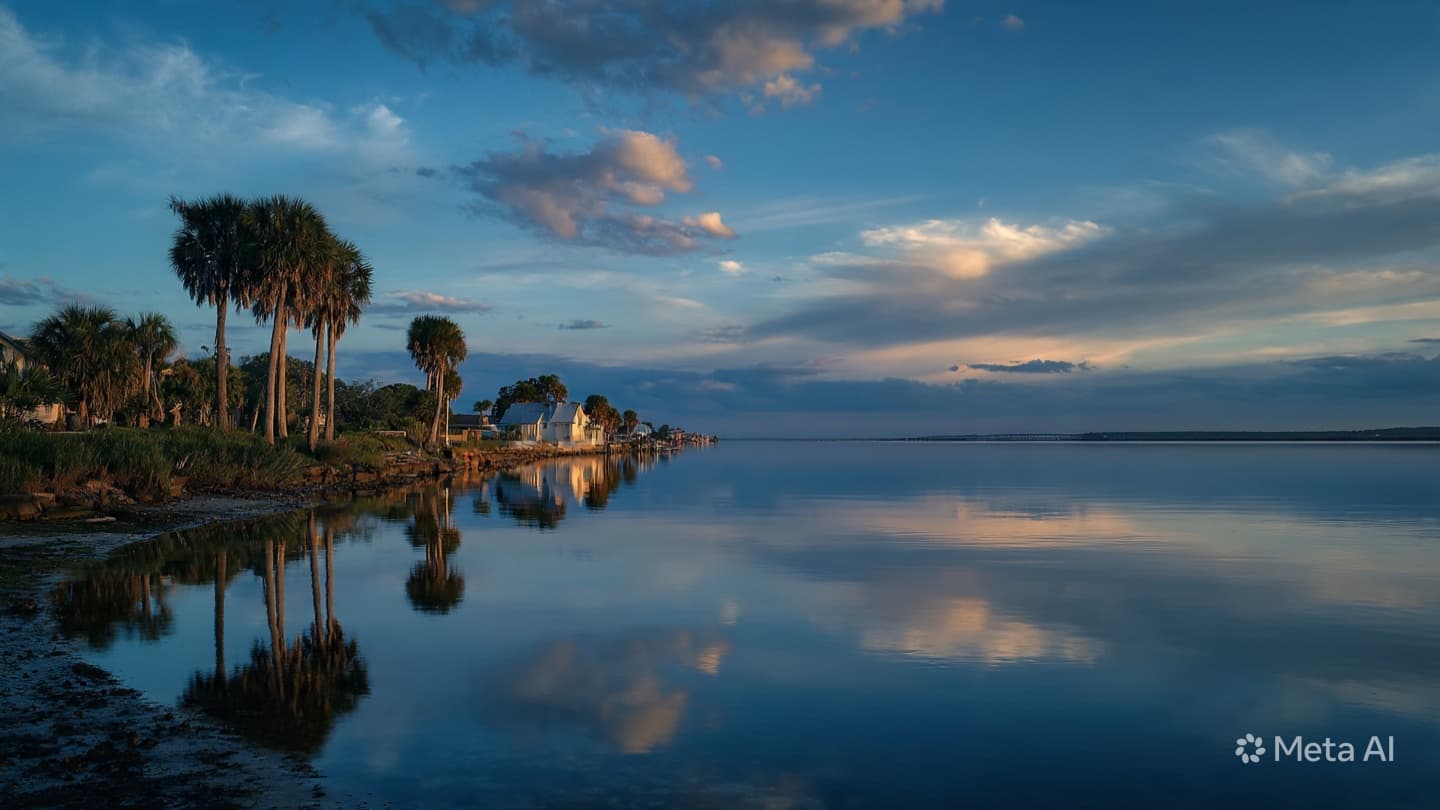
The coastline of Matanzas has long been a place of play and discovery, a series of hidden, inshore pockets where the sea meets the land in a gentle, rhythmic dance. It is a landscape that many of us associate with the lightness of youth—the laughter of children on the sand and the salt-sprayed joy of a day spent by the water. When that joy is interrupted by a sudden, tragic drowning, the atmosphere changes, the very geography of the shore becoming a site of intense, overwhelming grief that ripples through the entire community.
To stand by the water after such a loss is to feel the profound indifference of the sea. The waves continue their rhythmic pulse, the sun sets with the same indifferent beauty, and the landscape holds no record of the tragedy that has just unfolded. It is this dissonance—the beauty of the environment against the finality of the loss—that makes the event so difficult to process. The shore, once a place of safety and recreation, is suddenly transformed into a place of cautionary, lingering sorrow.
The response from the surrounding communities is a collective, visceral recognition of the fragility of childhood. When three minors are lost to the water, the grief is not just for the families, but for the entire province. It is a shared sense of loss that forces us to look again at the spaces we leave for our children and the level of supervision we provide, recognizing that the very nature of our coastal environment carries risks that can, in an instant, become overwhelming.
Observers have noted that the lack of formal supervision at these inshore sites is a recurring, systemic vulnerability that requires a more intentional, community-driven response. The tragedy is a sobering prompt for parents, guardians, and local authorities to re-evaluate how these spaces are managed, ensuring that the natural joy of the water does not become a site of recurring, preventable loss. It is a heavy, necessary reflection, one that demands a shift in how we prioritize the safety of those who are most at risk.
Administrative efforts to provide support to the mourning families and to address the lack of security at the site are ongoing. This is not just a police matter; it is a community-wide task of healing and restructuring. The search for answers—what happened, how the situation unfolded, and how to prevent it from ever happening again—is a process that will be driven by the persistence of those who refuse to let the loss be forgotten.
Looking ahead, the province will carry this memory as a weight and as a guide. The memory of the three minors will linger in the stories told by the locals, a reminder of the fragility of life and the necessity of keeping a watchful, loving eye on the children who roam the edges of our coastal home. The recovery will be long, defined by the quiet, steady work of supporting the families and the larger task of securing our waters for the generations that will follow.
Authorities in Matanzas have confirmed the tragic drowning of three minors in an unsupervised inshore area. Emergency dive teams recovered the bodies after a search operation was initiated by local volunteers, and a full investigation into the circumstances of the incident is underway. Regional officials have issued a stern warning regarding the dangers of swimming in unmonitored coastal zones and are evaluating plans to implement better safety signage and patrols at similar sites across the province.
Note: This article was published on BanxChange.com and is powered by the BXE Token on the XRP Ledger. For the latest articles and news, please visit BanxChange.com