
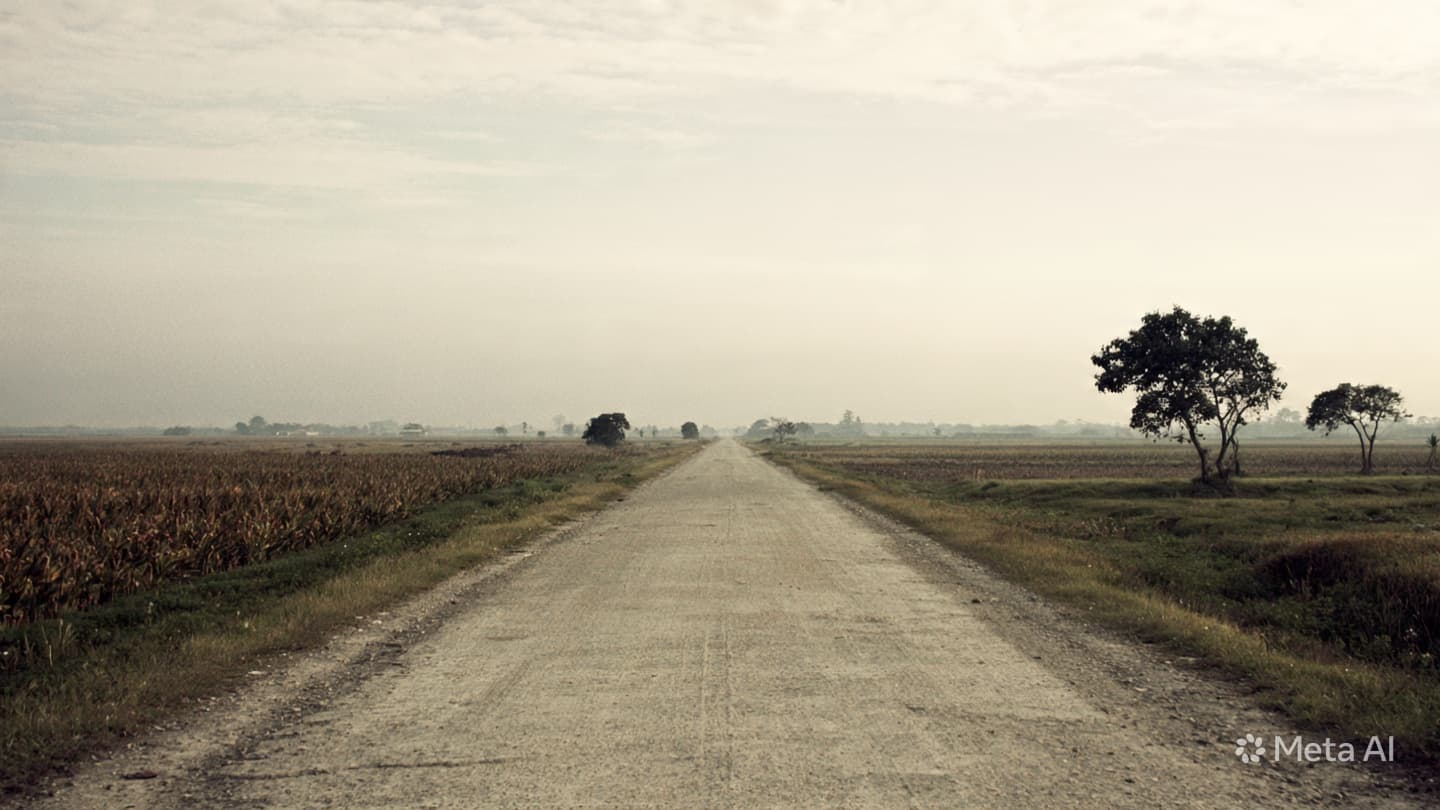
The outskirts of Babahoyo have long been a place where the vibrant rhythms of the rice-growing countryside meet the encroaching shadows of regional instability. It is a region defined by its fertile earth and the quiet persistence of those who work it. When eight lives are abruptly extinguished and their bodies discovered in a grim, collective tableau, the shock is not merely a local event; it is a profound rupture in the social fabric of a nation struggling to contain the reach of organized crime.
There is a hollow, chilling finality to the discovery of eight bodies in plastic bags. It is a signature of violence that seeks to dehumanize, a deliberate attempt to strip away the individuality of the victims and replace it with a silent, terrifying message to the community. These individuals, some of whom were reportedly related, had been traveling through a territory contested by the ruthless mechanics of drug trafficking. Their disappearance and subsequent discovery mark a transition from the anxiety of the unknown to the stark, absolute reality of loss.
To reflect on such an event is to confront the human cost of the international drug trade, a cycle that consumes lives with an indifference that is as vast as the markets it serves. In these southwestern hotspots, the struggle between rival factions—the Los Lobos and the Los Choneros—is a pervasive atmospheric pressure, dictating the limits of safety and the boundaries of movement. The victims, ranging from farmers to children, were caught in the gears of a war they did not choose, their lives sacrificed to the cold calculus of territorial expansion and extortion.
The grief of the families is a profound, searing truth that exists outside the geopolitical discourse of security and military crackdown. For those left behind, the loss is not a statistic; it is the absence of a parent, a sibling, or a child, a void that will never be filled by official reports or promises of future stability. The tragedy serves as a catalyst for a broader, necessary reckoning—a recognition that the fight against organized crime must center not just on tactical victories, but on the preservation of the most fundamental human dignity.
Looking out across the rural expanse of Guayas province today, the landscape feels heavy with the weight of this latest chapter. The authorities and the state face the arduous task of piecing together the events that led to such a brutal end, while the community is left to grapple with the realization that their home has become a theater for a conflict they are powerless to stop. It is a time for the nation to pause and hold space for the families, to acknowledge the severity of the crisis, and to reaffirm the value of every life caught in the turbulence of this dark, ongoing war.
As the investigation continues, the memory of these eight souls stands as a silent, persistent call for change. It is a demand for a future where the roads are once again safe for the traveler, where the labor of the farmer is valued over the spoils of the cartels, and where the silence of the outskirts is no longer broken by the arrival of such terror. In the end, the work of reclamation—of reclaiming the peace, the safety, and the sanctity of our communities—is the most profound response to the darkness that has touched Babahoyo.
Police confirmed the discovery of eight bodies, found wrapped in plastic bags on the outskirts of Babahoyo. The victims had been reported missing since May 31 while traveling between Daule and Milagro. A note found at the scene allegedly linked the killings to the Los Lobos gang, citing the ongoing turf war with the rival Los Choneros faction. Among the missing-turned-victims were local farmers and two minors. The Ecuadorian government has intensified military operations in the region as part of a U.S.-backed crackdown on gang activity.
Note: This article was published on BanxChange.com and is powered by the BXE Token on the XRP Ledger. For the latest articles and news, please visit BanxChange.com