For centuries, the sea has connected continents, carrying goods, livelihoods, and countless journeys across its open waters. Yet there are moments when familiar shipping lanes become places of uncertainty, where the rhythm of commerce is interrupted by conflict and ordinary sailors find themselves caught between forces far beyond their control. In the Strait of Hormuz, that uncertainty has become part of everyday life for thousands of commercial seafarers.
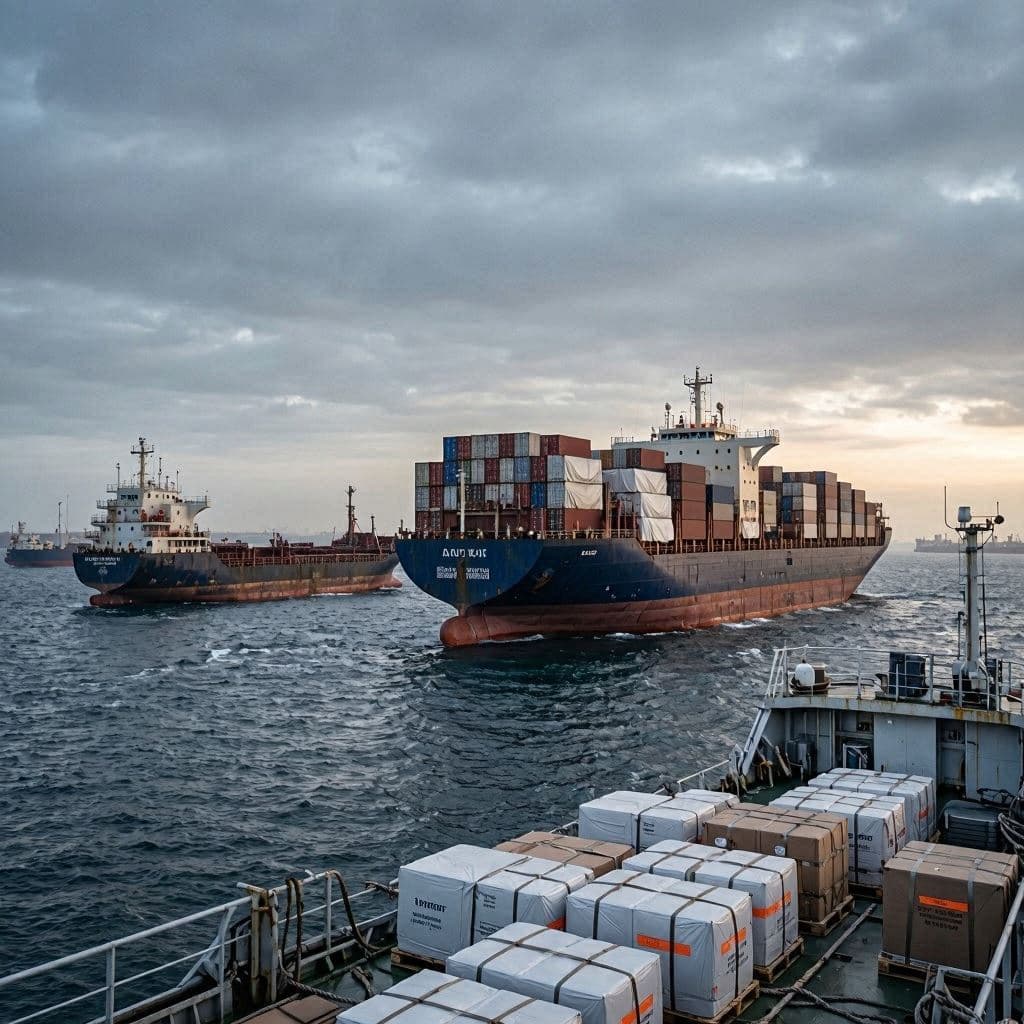
The ongoing conflict surrounding the Strait of Hormuz has left thousands of sailors stranded aboard hundreds of commercial vessels, many unable to leave because of continuing security risks, disrupted shipping routes, and military activity in the region. The narrow waterway, through which roughly one-fifth of the world's oil and liquefied natural gas normally passes, has become one of the most dangerous maritime corridors in the world.
According to humanitarian organizations and maritime industry groups, many crews have remained at sea for weeks or even months. Food and fresh water supplies have become increasingly limited aboard some vessels, while scheduled crew changes have been suspended. Communication with families has also become difficult as ships remain anchored or drift in designated waiting areas amid heightened security concerns.
Sailors describe living under the constant threat of missile strikes, drones, naval patrols, and floating mines. Several commercial vessels have already been damaged during the conflict, and multiple mariners have lost their lives. Even when no attack occurs, crews report that the persistent sound of explosions and military activity has created severe psychological strain, leaving many unable to sleep or rest.
The International Transport Workers' Federation and the International Maritime Organization have expressed growing concern for the welfare of commercial seafarers trapped in the Gulf. Both organizations have called for humanitarian measures, including safe maritime corridors, improved access to supplies, and the protection of civilian crews who are not participants in the conflict.
Many of those stranded come from countries such as India, the Philippines, Indonesia, and other major maritime labor providers. For some, accepting assignments in the Gulf represented an opportunity to support their families financially. Instead, many have found themselves isolated in dangerous conditions, uncertain when they will be able to return home or receive relief crews.
Shipping companies continue balancing the need to move global cargo with the responsibility of protecting crews. Some vessels remain anchored while awaiting security clearances, whereas others have attempted carefully coordinated passages through the strait. Maritime analysts caution that even if tensions begin to ease, restoring normal shipping operations and rotating exhausted crews could take weeks or months.
As diplomatic efforts continue, the humanitarian situation facing commercial sailors remains an important but often overlooked consequence of regional conflict. While global attention frequently centers on military developments and energy markets, thousands of civilian seafarers continue waiting aboard their ships, hoping for the moment when safe passage will once again replace fear with the simple promise of returning home.
AI Image Disclaimer: The accompanying images are AI-generated illustrations inspired by verified reporting and are intended solely to visualize the humanitarian situation described.
Source Verification Check: Verified
Sources: Associated Press, Reuters, Financial Times, Wall Street Journal, International Maritime Organization, International Transport Workers' Federation
Published by Banx Network. This article is part of the Banx decentralized media programme, powered by the BXE token on the XRP Ledger.