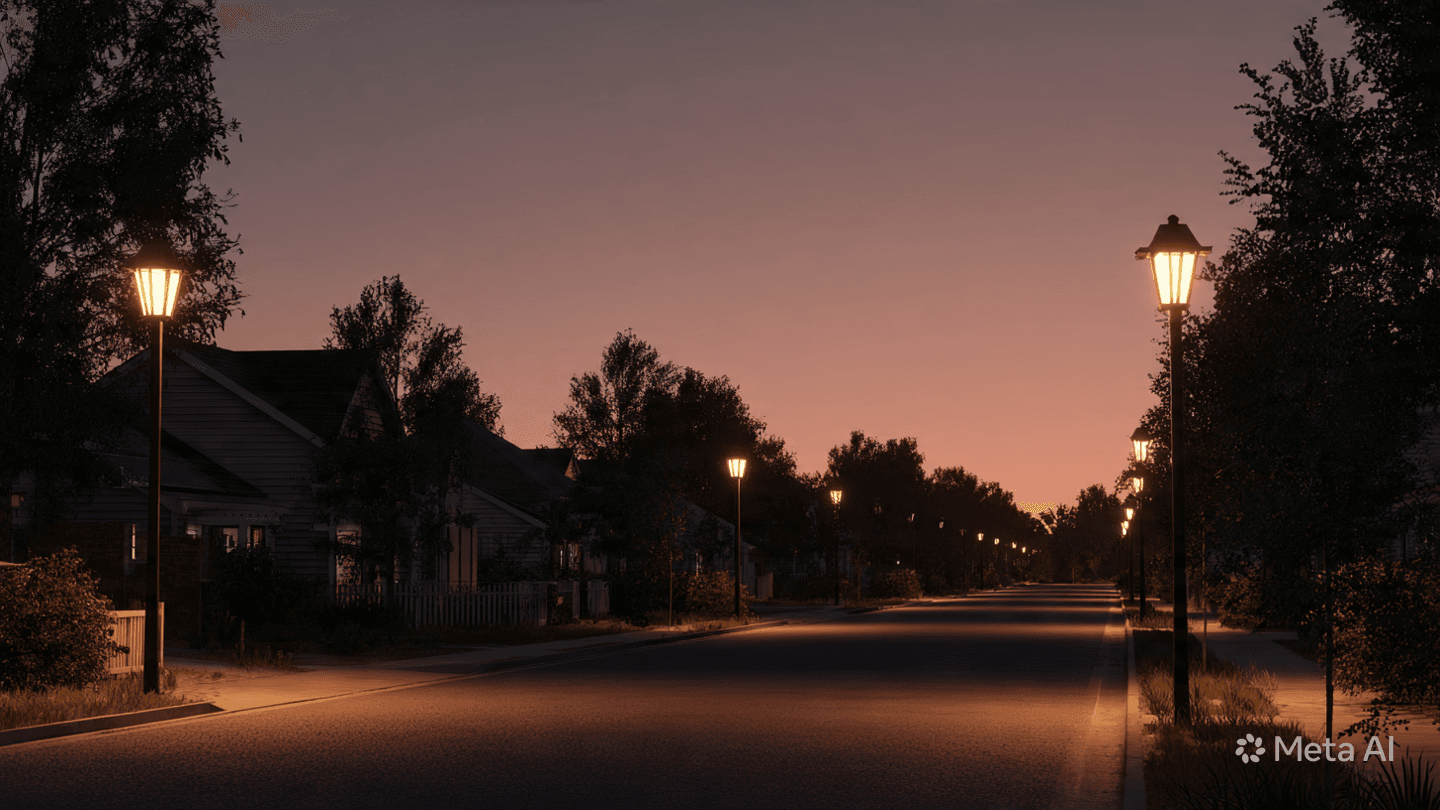
There is a fragile sanctity to the residential quarter, a space defined by the slow, predictable rhythms of domesticity—the evening meal, the quiet conversation, the safety of a door that locks against the world. Yet, in these past weeks, that sanctuary has been repeatedly violated, transformed from a place of refuge into a contested zone. The boundary between the street and the home has thinned, and in many places, it has vanished entirely, allowing the cold, unyielding weight of the state to seep into the most private corners of the city.
One can feel the tension in the air, a thickening of the atmosphere that precedes the arrival of the patrols. The reports tell of a systematic approach, where security forces move through neighborhoods not to maintain the peace, but to impose a specific, forced silence. They arrive in the soft light of evening or the sharp, cold hours of the morning, their presence marked by the rhythmic, heavy thud of boots on pavement and the sudden, jarring interruption of peaceful, local life.
The accounts of those who have witnessed these incursions are harrowing in their simplicity. They speak of the sudden transformation of a neighborhood into a trap, where the streets become corridors for the deployment of force against individuals who are often simply trying to navigate their way home. The force is not measured or reactive; it is proactive, designed to instill a profound sense of instability, ensuring that the act of existing within one's own community becomes a potential risk.
There is a haunting, pervasive image that emerges from these testimonies: the sight of unarmed individuals attempting to flee from a power that is determined to demonstrate its reach. The residential setting provides no cover, no reprieve from the reach of the apparatus. We are forced to consider the psychological toll of this reality—how it feels to watch the security forces turn their attention to the very streets where children play and neighbors gather, effectively claiming the domestic space as part of the battlefield.
The use of projectiles and chemical dispersants in these confined environments has left a physical residue—the scorch marks on walls, the shattered glass in window frames, and the lingering, acrid smell of the aftermath. These are not merely the signs of a struggle; they are the scars left by a power that has discarded the conventional restraints of order. The residential landscape, once a testament to community and belonging, now stands as a record of an ongoing, systemic violation of the basic expectations of safety.
We observe this process with a sense of helplessness, knowing that our own homes are only separated from these scenes by the thin, fragile lines of geography and circumstance. It is an editorial reflection on the nature of control, on how quickly a stable community can be dismantled when those who hold the instruments of power choose to treat every citizen as a target. The quiet of the residential street is no longer a sign of peace; it is a sign of an enforced, and fragile, hesitation.
As the situation persists, reports of these incursions have become more frequent, particularly in districts characterized by recent civilian mobilization. Documented evidence shows security personnel utilizing non-lethal, yet highly destructive, munitions within densely populated residential blocks. Residents have reported that these actions are often unprovoked, occurring in areas where no active demonstrations were underway at the time of the intervention, suggesting a strategy of preemptive suppression.
International monitoring groups have officially condemned the tactical shift, describing the targeting of residential neighborhoods as a clear violation of international humanitarian norms regarding the protection of civilians. Local police and security agencies have not provided specific justifications for these operations, maintaining that their actions are essential to neutralize security threats. The ongoing presence of tactical units within these neighborhoods has resulted in significant community displacement as residents attempt to relocate to safer areas.
Published by Banx Network. This article is part of the Banx decentralized media programme, powered by the BXE token on the XRP Ledger.