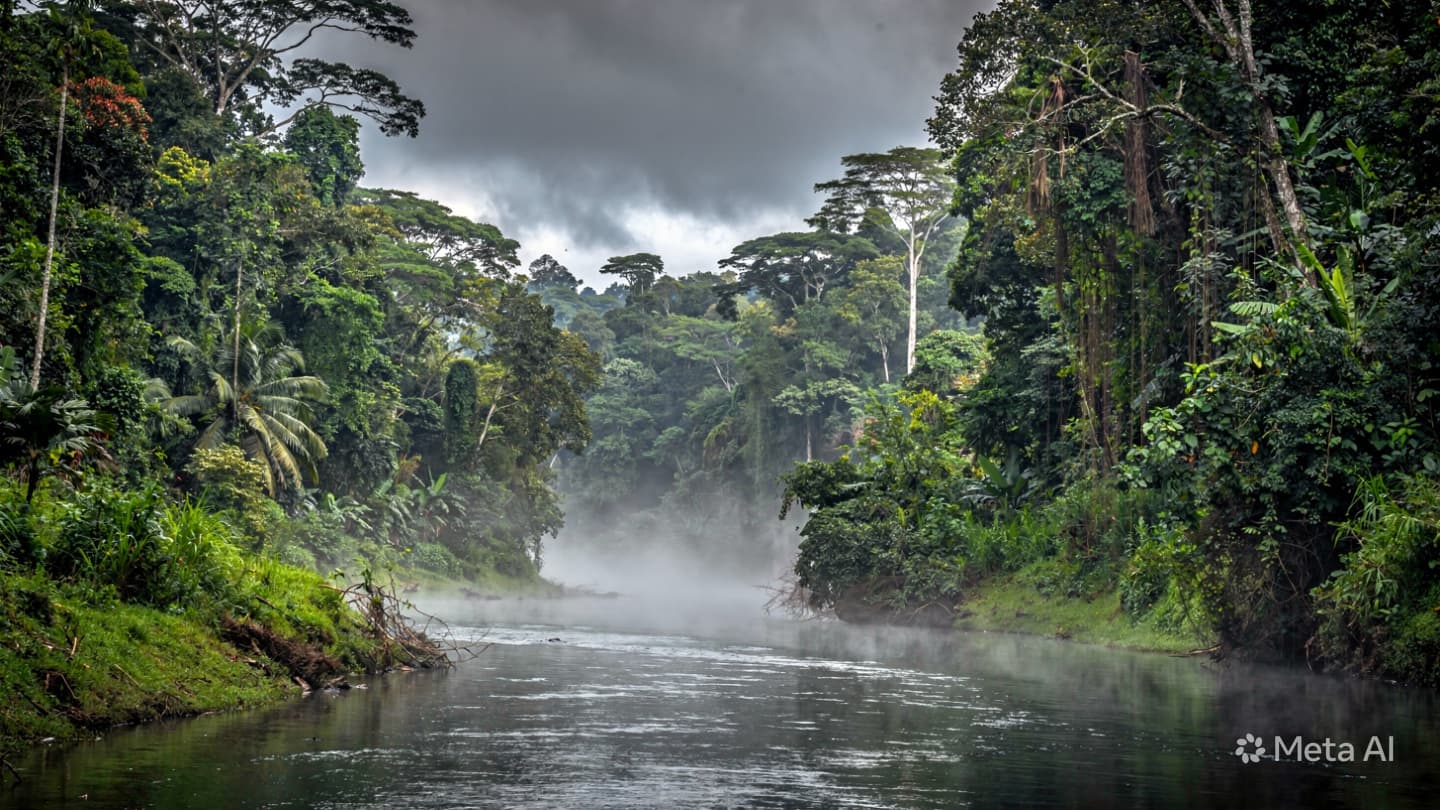
There is a profound, primal power in the rhythm of the rainforest, a cycle of moisture and growth that has sustained the indigenous communities of the Suriname interior for generations. Yet, this relationship with the natural world is increasingly defined by a new, more volatile intensity. When the rains arrive with an uncharacteristic, concentrated fury, the river does not merely rise; it transforms. It becomes an expansive, encroaching presence that reclaims the land, turning the quiet banks of the village into a landscape of dark, turbulent water.
In the isolated corners of Suriname’s interior, the confirmation of flash flood fatalities arrives like a somber, muted note in a wider symphony of disruption. The communities affected are those that have lived in harmony with the cycles of the river, yet the scale of this recent deluge has challenged the limits of their traditional adaptation. There is a deep, communal ache in the loss of individuals, an ache that vibrates through the forest, emphasizing the vulnerability of those who exist at the intersection of traditional life and the shifting realities of a changing climate.
To understand the tragedy is to appreciate the geography of the interior. The villages are often accessible only by river, their lives deeply tethered to the flow of the currents. When that flow turns into an overwhelming flood, the isolation that once provided a sense of peace suddenly becomes a barrier to assistance. The communication of these losses is slow, the arrival of aid is complex, and the experience of the survivors is one of profound, quiet endurance as they navigate the aftermath of the inundation.
The humanitarian response, as it begins to coalesce, reflects the difficulty of operating in such a dense, remote environment. It is a coordinated effort that requires the expertise of local elders, the logistical support of regional agencies, and the careful navigation of the river’s still-swollen paths. There is a sense of urgency, but also a recognition that the restoration of these villages will be a slow, methodical process—a rebuilding that must account for the reality that the river may rise again with similar, unexpected force.
There is a distinct human element to this ecological crisis—a bridge built between the knowledge of the forest and the technical requirements of disaster management. The indigenous leadership has been central to the assessment, their understanding of the river’s path proving essential in identifying the areas of greatest need. This collaboration, while born of tragedy, signals a necessary shift toward a model of disaster response that values local expertise as a primary component of resilience. It is an acknowledgment that the forest speaks a language that requires careful listening.
The rising waters serve as a mirror for our own efforts to reconcile with an environment that is shifting beneath our feet. Just as these communities clear their homes of silt and debris, so too must the global community navigate the complexities of a climate that is increasingly unpredictable. The work in the interior of Suriname is a physical embodiment of the desire for stability, a testament to the fact that healing requires both time and the courage to look at the consequences of an changing natural order.
As the waters begin to recede, the landscape will slowly return to its familiar form, but the memory of the flood will remain etched in the communal consciousness. The forest will continue to grow, the river will continue to flow, and the people will continue to adapt, bound by the strength of their tradition and the reality of their environment. It is a story of quiet survival, played out on the stage of the interior, where the fragility of human existence is laid bare by the power of the rising tide.
Extreme rainfall in late May 2026 triggered severe flash flooding in remote indigenous communities along the upper Suriname River. Authorities have confirmed several fatalities as rising waters overwhelmed local settlements, destroying homes and damaging critical food supplies. Emergency teams and local community leaders are currently coordinating relief efforts, focusing on the delivery of medical supplies and the evacuation of vulnerable residents to higher ground, while monitoring the ongoing risk of further inundation.
Published by Banx Network. This article is part of the Banx decentralized media programme, powered by the BXE token on the XRP Ledger.