
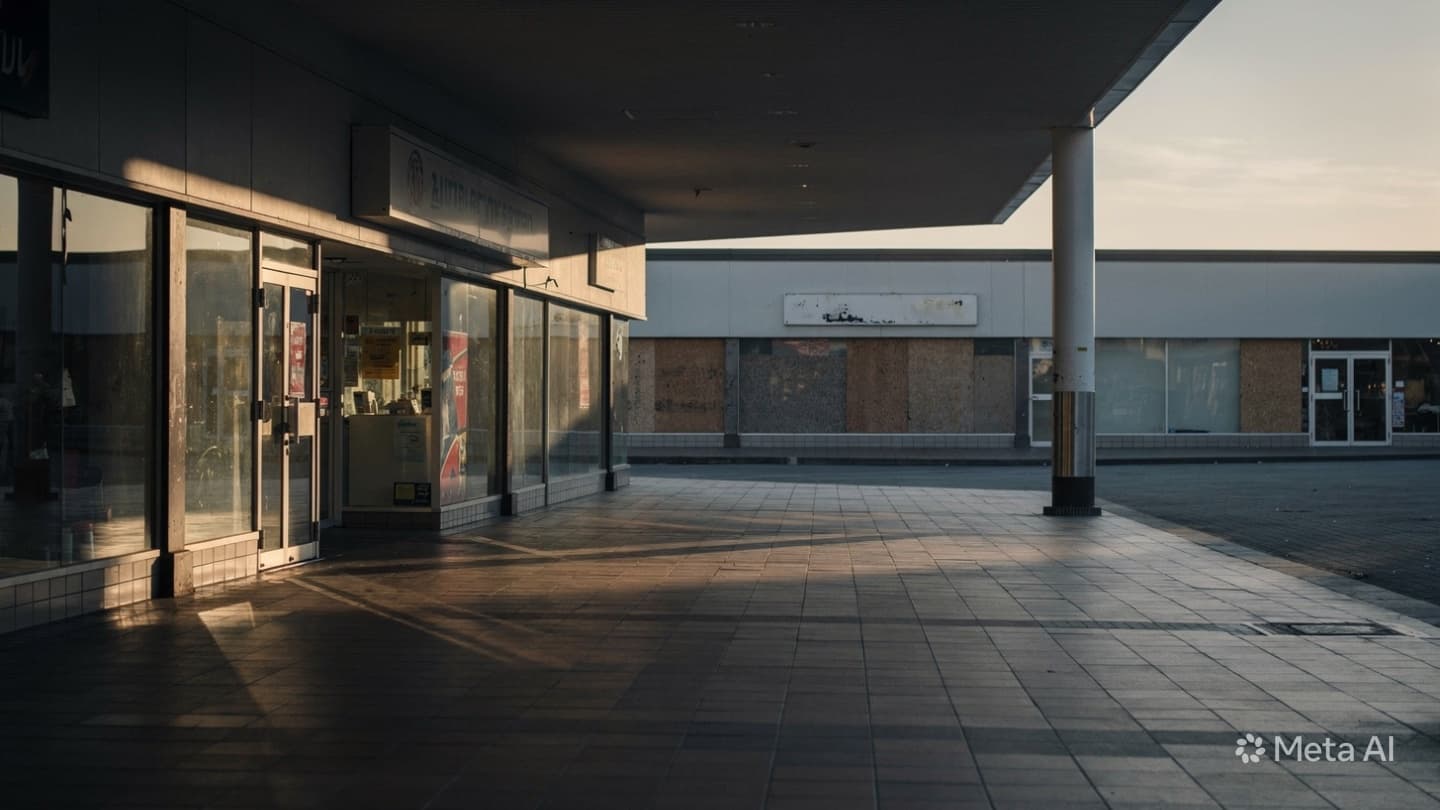
The routine of a morning at a local shopping center is a tapestry of small, predictable motions—the opening of storefronts, the arrival of early patrons, and the steady, hum-like pulse of a community engaged in the business of the day. It is an environment we navigate with a subconscious sense of safety, a space where the complexity of our personal and professional lives is momentarily set aside in favor of the mundane. When that veneer is shattered, the contrast between the normalcy we expect and the violence that intervenes feels visceral and profoundly disorienting.
In Carrollton, Texas, the ordinary flow of a Tuesday morning was irrevocably altered when a singular, targeted act of violence pierced the stillness of a local plaza. The transition from a space of commerce to a site of profound loss is not merely a change in the physical environment; it is a rupture in the social fabric that binds a community together. The arrival of sirens, the sudden emergence of law enforcement, and the heavy, lingering presence of investigative tape transform the familiar landscape into a place of sudden, sorrowful gravity.
For the witnesses and the community at large, the event serves as a stark reminder that our lives are often intersected by the private conflicts of others. The violence that unfolded, rooted in business disagreements, highlights the volatile nature of human relations when they reach a breaking point. It is a sobering reflection on how the private pressures of individuals—the weight of financial burdens or the friction of professional partnerships—can, in a moment of catastrophic choice, manifest in the public sphere, altering the trajectories of lives that were never meant to be part of the conflict.
The response from the authorities, marked by the rapid deployment of resources and the subsequent arrest of the suspect, is a measured, clinical attempt to restore order. Law enforcement, operating under the heavy weight of duty, navigates the scene with a focus that seeks to provide the clarity and accountability that a grieving community demands. Yet, even as they piece together the sequence of events and confirm the details of the incident, the emotional resonance of the loss remains something that no report can truly contain or explain.
There is a deep, quiet resilience in the way a city like Carrollton navigates such a crisis. From the shock that permeates the Koreatown neighborhood to the collective acknowledgment of the tragedy by the broader community, the response is one of shared mourning and mutual support. It is a testament to the fact that, even in the face of such senseless interruption, the human instinct is to reach out, to find common ground in the wake of sorrow, and to attempt, however slowly, to process the magnitude of what has been lost.
As the investigation concludes and the facts are laid bare, the public narrative will eventually transition into the archives of the city’s history. The plaza will return to its standard rhythm, the storefronts will continue to welcome patrons, and the morning will once again be defined by the mundane rituals of commerce. But for a time, the location will carry a different weight—a silent acknowledgment of the fragility of the human connections that underpin our daily existence and the sudden, unpredictable ways in which they can be severed.
The impact of such an event forces us to consider the underlying currents that exist beneath the surface of our public spaces. We are reminded that every person we encounter, every passerby, and every individual sharing our space carries with them their own internal history, their own struggles, and their own capacity for peace or violence. It is a profound realization that, while we navigate the world in close proximity, we are often strangers to the forces that drive the people around us, a reality that necessitates a constant, gentle awareness of the world we share.
In the final analysis, we are left to carry the memory of those who were lost, offering our thoughts to the families and the survivors who must now navigate a world that has been fundamentally changed. We reflect on the nature of our shared existence and the importance of the grace we extend to one another. The morning in Carrollton will be remembered not for the tragedy itself, but for the community’s steadfast commitment to honoring the lives that were taken and the quiet, enduring hope that such moments of darkness will remain an exception in the rhythm of our lives.
Two people were killed and three others injured in a shooting incident at a Carrollton, Texas, shopping center on May 5, 2026. Local police identified the suspect as 69-year-old Seung Ho Han, who was apprehended following a brief pursuit. Authorities confirmed the shooting was a targeted act related to business disputes and that the victims and the suspect were known to one another. The injured individuals remain in stable condition, and the investigation remains ongoing as authorities process evidence
Note: This article was published on BanxChange.com and is powered by the BXE Token on the XRP Ledger. For the latest articles and news, please visit BanxChange.com