
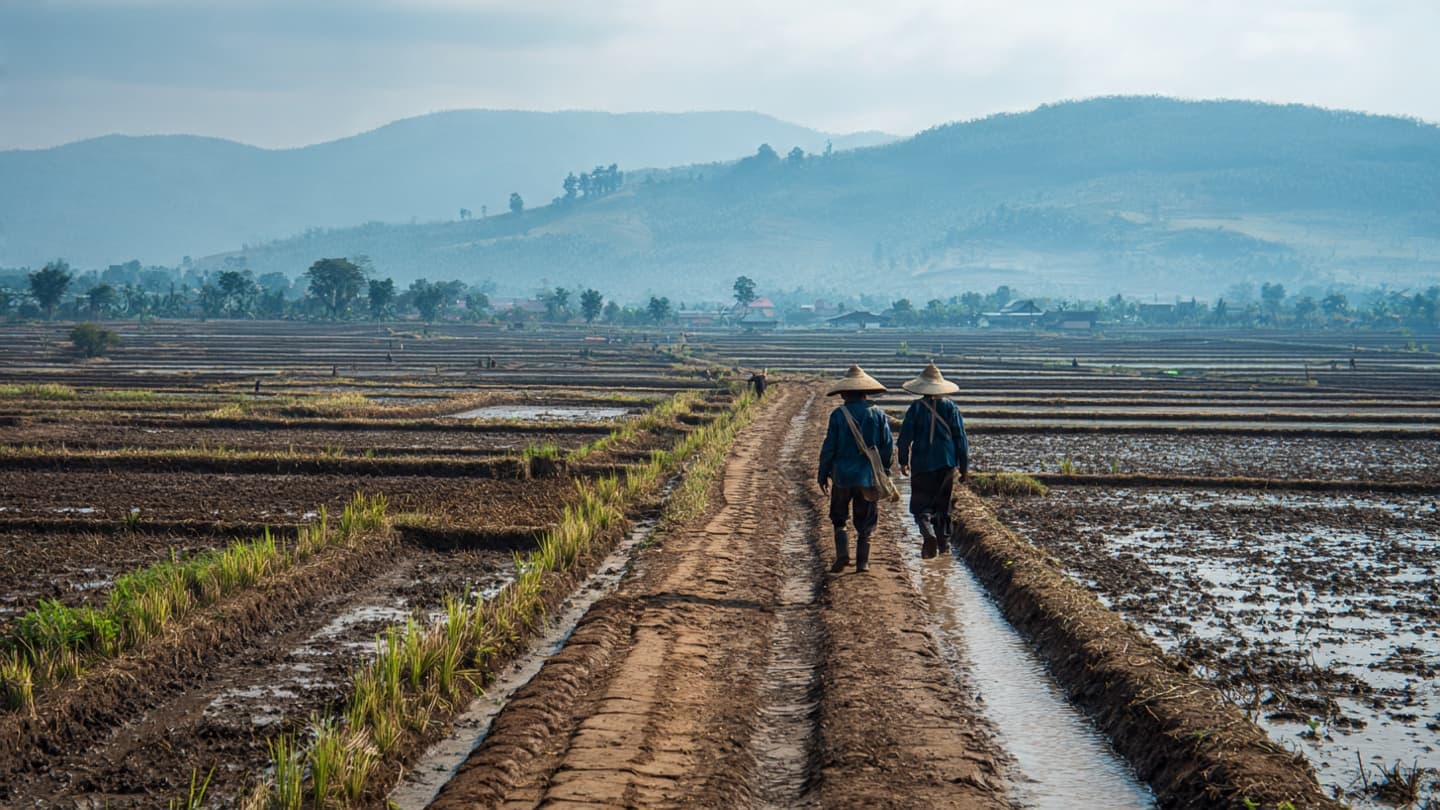
The arrival of changing seasons is often compared to the turning of a page. Most years, the transition feels familiar, guided by rhythms that farmers, communities, and governments have learned to understand. Yet occasionally, nature writes a different chapter. Across Southeast Asia, concerns are growing as forecasts point toward the return of a significant El Niño event.
Meteorological agencies and climate experts have warned that warmer ocean temperatures associated with El Niño may influence rainfall patterns throughout the region. Countries heavily dependent on agriculture are paying close attention to these projections because seasonal weather conditions play a crucial role in food production.
Rice remains one of the most important crops in Southeast Asia. Fields across Indonesia, Thailand, Vietnam, and the Philippines depend on predictable rainfall to support planting and harvesting cycles. Changes in precipitation can affect productivity, water availability, and farming schedules.
Beyond rice, the region's palm oil industry may also experience challenges. Higher temperatures and prolonged dry conditions can influence crop performance, creating additional pressure on agricultural sectors that contribute significantly to national economies.
The implications extend beyond farms. Food production and food prices are closely connected. When harvest expectations decline, markets often react by adjusting prices, creating concerns for households and policymakers alike.
Governments across the region are evaluating mitigation strategies. These include water management programs, agricultural assistance measures, and efforts to strengthen resilience against climate-related disruptions. Planning ahead has become an important component of national preparedness efforts.
Scientists emphasize that El Niño is a natural climate phenomenon, but its effects can vary depending on regional conditions and broader climate trends. Modern forecasting tools allow authorities to prepare earlier than in previous decades, offering opportunities to reduce potential impacts.
The situation also highlights the growing importance of climate adaptation. As weather variability becomes a larger consideration for many economies, investments in infrastructure, agricultural innovation, and resource management continue gaining attention.
For now, Southeast Asian nations remain focused on preparation. While forecasts provide important guidance, ongoing monitoring will help determine how strongly El Niño influences the region's weather, food systems, and economic outlook in the months ahead.
AI Image Disclaimer: This AI-generated image is provided as a visual interpretation and should not be considered an actual photograph of the reported events.
Sources Verification Check Deutsche Welle (DW) World Meteorological Organization (WMO) Reuters Asian Development Bank (ADB) Associated Press (AP)
Note: This article was published on BanxChange.com and is powered by the BXE Token on the XRP Ledger. For the latest articles and news, please visit BanxChange.com