The transition from a quiet Sunday evening to a moment of sharp, echoing violence is a rupture that feels particularly stark in a place like Melville, Saskatchewan. In the soft light of a prairie sunset, the rhythm of a town is usually dictated by the hum of wind through grass or the occasional passage of a vehicle along its residential streets. Yet, on this particular evening, the familiar sounds were replaced by the unmistakable, jarring punctuation of gunfire. It was an event that did not merely interrupt the weekend; it tore through the stillness, leaving behind a community searching for an anchor amidst the sudden displacement of their normalcy.
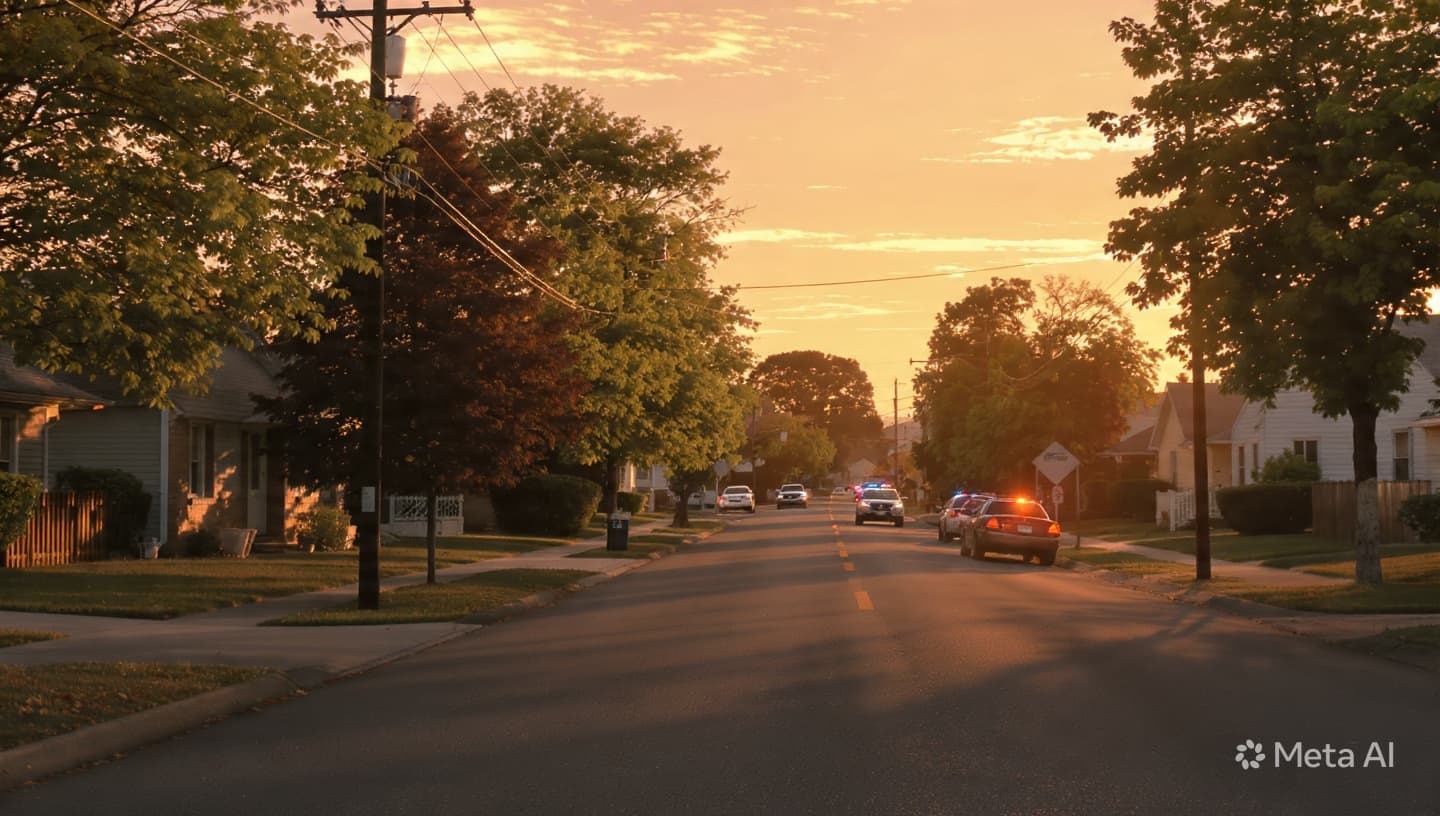
When the RCMP received the call regarding an assault, they responded with the practiced urgency that defines the service, moving toward the residence on 8th Avenue West with a clear objective. But the situation, unfolding in the shadow of a property line dispute, quickly transcended the boundaries of a standard response. As the officers approached, the silence was shattered by the discharge of a firearm, and two members of the Royal Canadian Mounted Police were struck. The sudden, violent nature of their injuries transformed the scene into one of acute peril, a reminder of the unseen stakes inherent in the act of keeping the peace.
The subsequent hours were defined by a tense, contained urgency. As the suspect remained within the residence, the community of Melville found itself caught in a collective state of anticipation, the town's geography suddenly partitioned by caution and concern. The arrival of specialized teams—the Critical Incident Response Team, police dogs, and negotiators—underscored the gravity of the encounter. For the residents who witnessed the unfolding event from their homes, the sight of the authorities was a mixture of reassurance and profound alarm, a visual manifestation of the vulnerability that can exist within even the most unassuming of streetscapes.
Amidst the noise of the response, there were the individual human stories: the children who mistook the sound of shots for fireworks, the neighbors who looked on with a sense of helplessness, and the families of the wounded Mounties who spent the night in the long, agonizing stretch of uncertainty. These threads of human experience are what truly define the event, moving it beyond the cold reporting of an assault response and into the realm of shared, lived experience. The town’s mayor, Joe Kirwan, speaking with a measured cadence, encouraged the community to rally around those affected, acknowledging that while this is not the "new normal" for their home, it is a reality they must now navigate.
The containment of the suspect in the early hours of Monday morning marked the end of the active threat, a resolution that allowed the town to exhale even as it grappled with the aftermath. The arrest, while a necessary step in the judicial process, does not mitigate the physical and emotional scars left on the two officers who were transported to the hospital with serious injuries. Their recovery, a process that is often private and protracted, will now become a focal point of the community’s resilience, a silent task they must undertake while the rest of the world moves on to the next headline.
We observe these moments with a certain narrative distance, yet it is impossible to ignore the weight of the sacrifice made by those in uniform. The RCMP, an institution that often serves as a symbol of the Canadian landscape itself, is here revealed through the very human fragility of its members. They are the ones who walk toward the sound of the unknown, operating in the gap between the peace we hope for and the violence that occasionally manifests. Their service, when interrupted by such raw force, serves as a mirror held up to the society they protect, reflecting our own dependence on their quiet, often dangerous resolve.
As the investigation now turns to the Serious Crimes Unit, the town of Melville is left to return to its own internal rhythm. The streets will once again be defined by the quiet of the prairie evening, but the memory of the shots fired on 8th Avenue West will persist as a quiet, somber marker in the town’s history. It is a lesson in the fragility of our own security, a reminder that the safety we enjoy is often built upon the commitment of those who are willing to face the unexpected, even when the cost of that commitment is deeply and painfully personal.
The closing of this chapter in Melville does not erase the trauma, but it provides the space for a necessary, calm reflection. There is a dignity in the way the town has reached out, a quiet strength that manifests in the prayers and the support offered to the injured officers. It is a reminder that even in the face of sudden, senseless violence, the fabric of a community is held together by the simple, human act of acknowledging our shared burdens. For now, the people of Melville wait for the recovery of their own, looking toward the horizon with a renewed awareness of the strength it takes to face the night.
Published by Banx Network. This article is part of the Banx decentralized media programme, powered by the BXE token on the XRP Ledger.