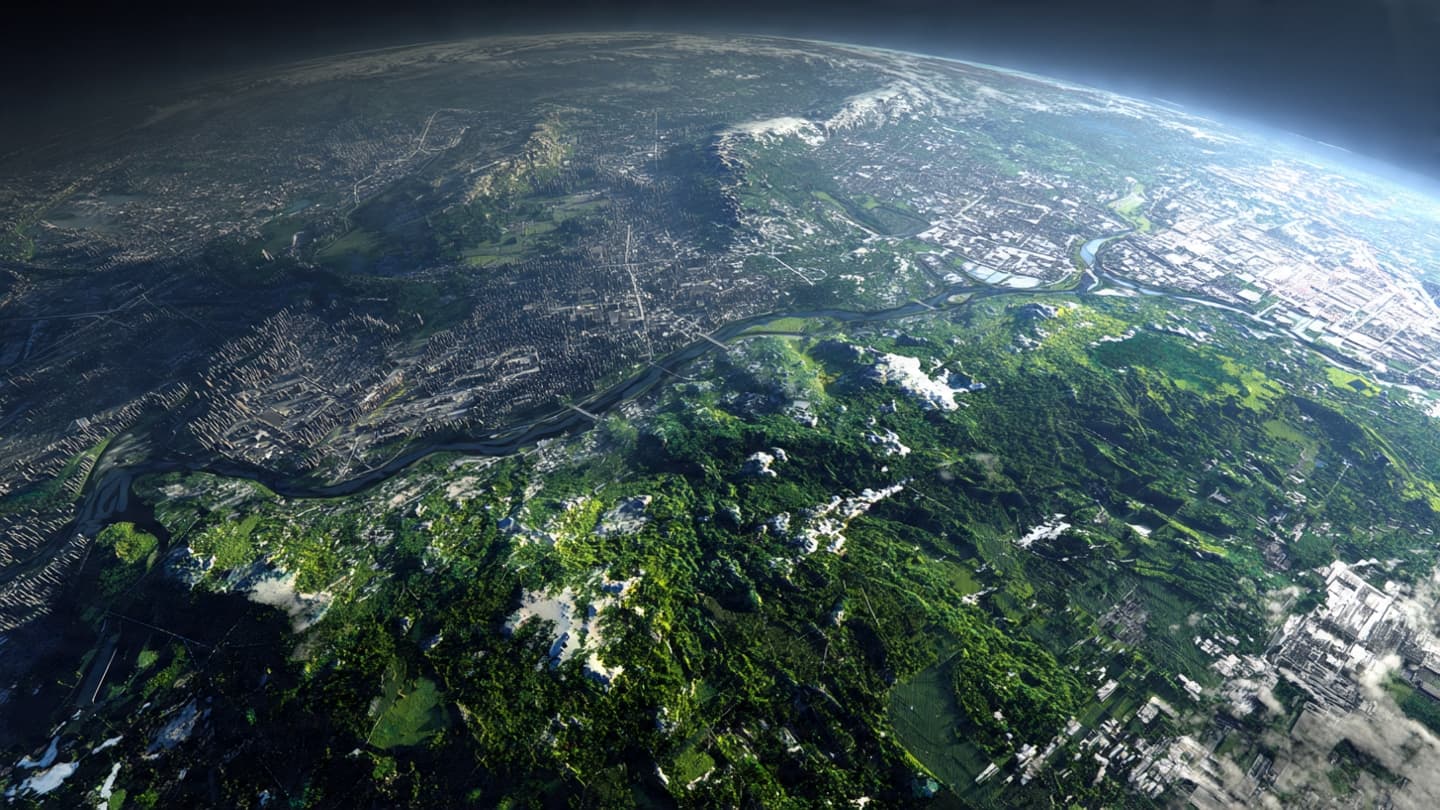
Earth’s ecosystems function like an intricate balance of inputs and outputs, where energy, resources, and time define sustainability. Recent ecological analyses suggest that humanity’s demand on natural systems may now exceed what the planet can regenerate annually.
The concept of ecological carrying capacity refers to the maximum population and consumption level an environment can support without long-term degradation. When this threshold is surpassed, resources are depleted faster than they can recover.
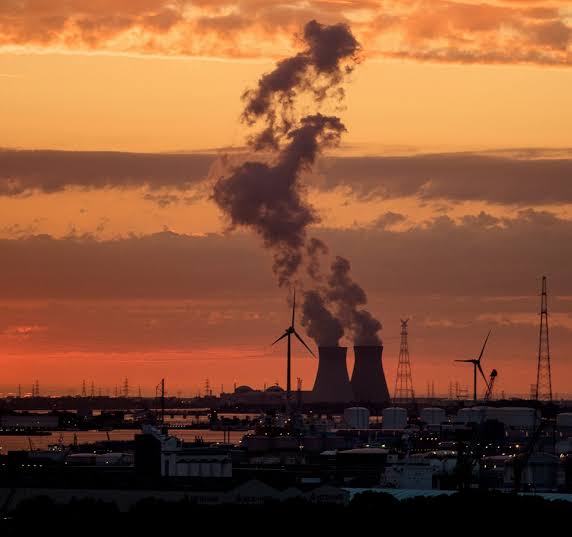
Researchers tracking global resource consumption point to multiple indicators of overshoot, including deforestation rates, biodiversity loss, freshwater stress, and carbon emissions. These indicators collectively suggest a systemic imbalance.
One commonly referenced measure is “Earth Overshoot Day,” which marks the point in the year when humanity’s resource use exceeds Earth’s annual regenerative capacity. In recent years, this date has been arriving progressively earlier.
However, scientists emphasize that overshoot does not mean collapse is immediate or uniform. Instead, it reflects cumulative pressure on ecosystems that may manifest differently across regions and time scales.
Some ecosystems demonstrate resilience, adapting or shifting under stress, while others experience irreversible degradation. The variation depends on local conditions, biodiversity, and human management practices.
Discussions around ecological overshoot increasingly focus on solutions such as regenerative agriculture, reduced waste systems, renewable energy transitions, and conservation policies designed to restore balance over time.
The idea of exceeding Earth’s carrying capacity is not simply a warning, but a framework for understanding the relationship between human activity and planetary limits. It invites reflection on how long-term balance might be restored.
AI Image Disclaimer: Images in this article are AI-generated for illustrative editorial use.
Sources (media names only): Global Footprint Network, Science Daily, Nature Sustainability, UNEP, World Wildlife Fund
Published by Banx Network. This article is part of the Banx decentralized media programme, powered by the BXE token on the XRP Ledger.