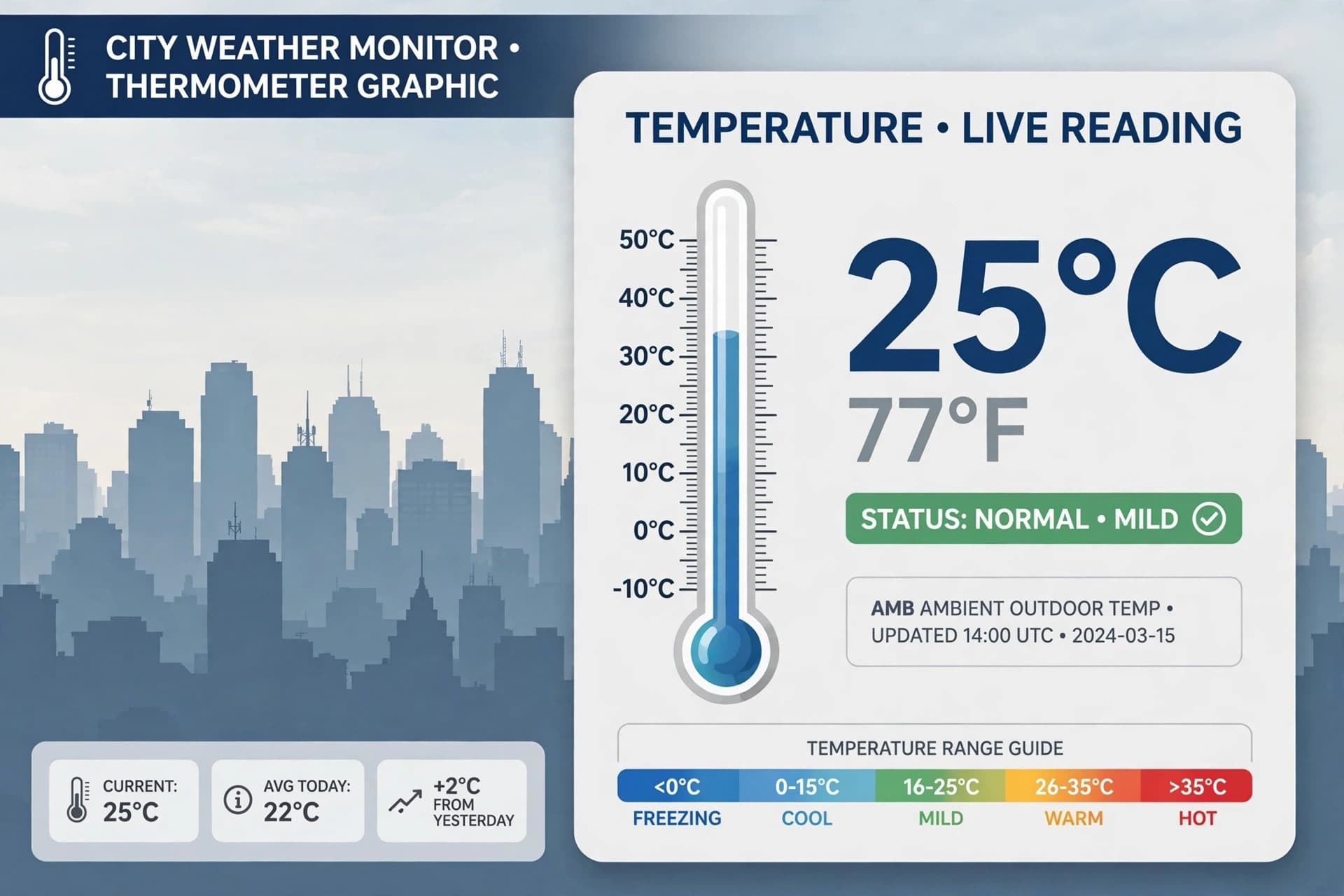
The planet often speaks in patterns rather than single moments, and recent climate assessments suggest a pattern that is becoming increasingly difficult to ignore. The idea of a new global heat record before 2030 is not framed as a surprise anymore, but as a likely chapter in an unfolding environmental story.
Scientists reviewing long-term climate data have observed that rising global temperatures continue to align with projections made over the past decade. The trend is not a sudden spike, but rather a steady climb shaped by accumulated greenhouse gas emissions and shifting ocean-atmosphere dynamics.
Within this context, international monitoring agencies have noted that even short-term cooling influences, such as volcanic activity or temporary ocean variability, are unlikely to offset the broader warming trajectory. The emphasis is increasingly placed on long-term averages rather than isolated yearly fluctuations.
Climate systems are interconnected in ways that often reveal delayed consequences. Heat stored in the oceans, for example, can resurface over time, influencing atmospheric temperatures long after emissions occur. This delayed feedback contributes to the concern that record-breaking years may become more frequent.
At the same time, regional impacts vary widely. Some areas experience extreme heatwaves, while others see shifts in rainfall patterns or intensified storms. These uneven effects highlight how global averages translate into very local realities for communities around the world.
Policymakers and researchers continue to discuss mitigation strategies, including emission reductions and adaptation planning. Yet the pace of implementation remains a central concern, especially as climate indicators continue to move faster than some policy responses.
In scientific discussions, there is also caution about framing any single year as an endpoint. Instead, researchers emphasize that each incremental rise contributes to long-term changes in ecosystems, agriculture, and coastal stability.
As the world approaches the latter half of this decade, the question is less about whether records will be broken, and more about how societies will adjust to the conditions that follow. The trajectory is clear, even if its exact milestones continue to unfold.
AI Image Disclaimer: Images associated with this article are AI-generated for illustrative and editorial purposes.
Sources (media names only): Reuters, Associated Press, World Meteorological Organization, The Guardian, NASA Climate Reports
Published by Banx Network. This article is part of the Banx decentralized media programme, powered by the BXE token on the XRP Ledger.