
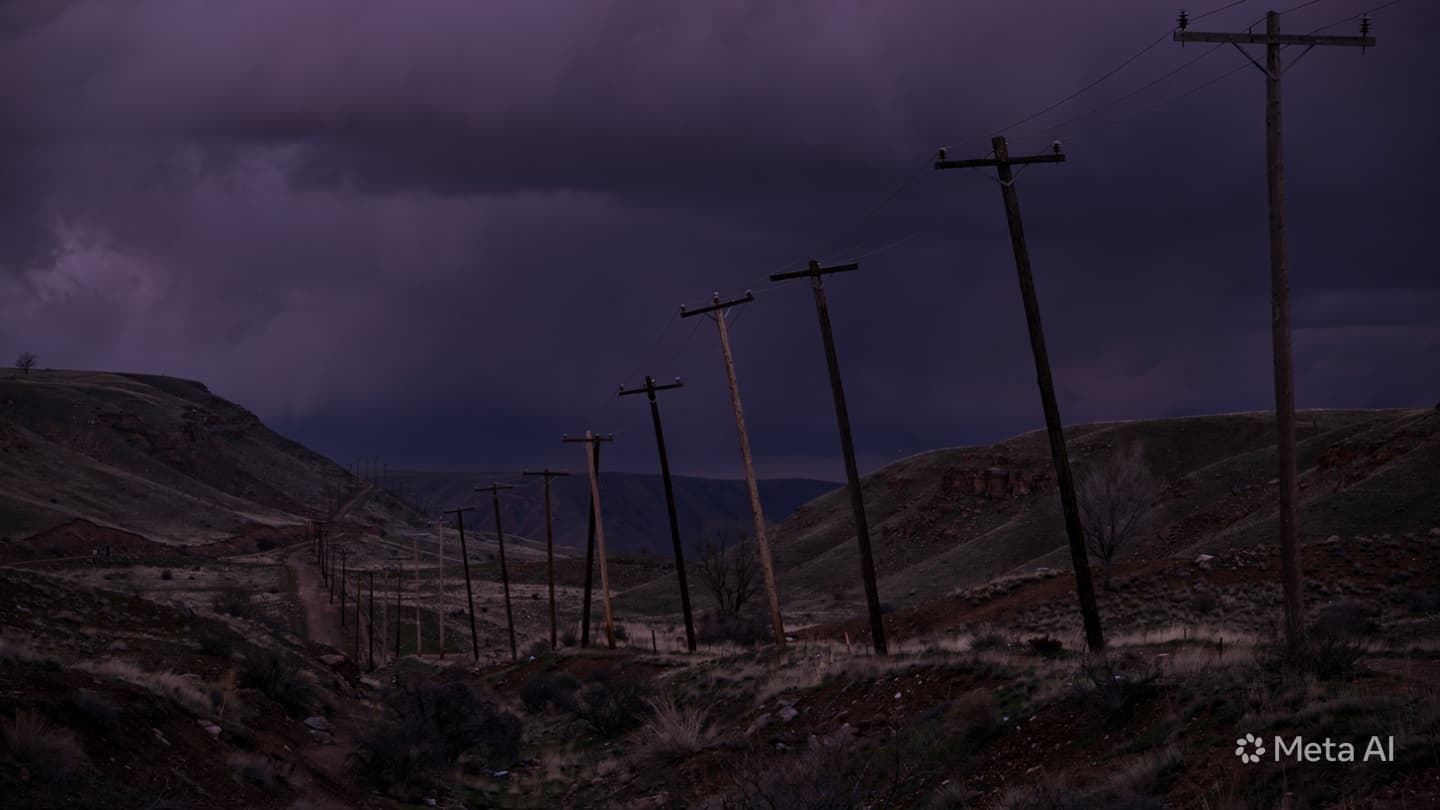
The rolling agricultural landscapes of rural Moldova have long been defined by their quiet reliance on the steady rhythm of the elements, where fields of grain and orchards meet small, centuries-old villages. This quiet pastoral existence is sustained by a delicate network of overhead power lines, looping across hillsides to bring light and connectivity to homes far removed from the bustling energy of the capital. Yet, this vital infrastructure remains remarkably exposed to the sudden volatility of the continental climate, where severe weather can instantly sever the ties that bind these remote communities to the modern world.
A powerful weather front brought an abrupt end to the seasonal calm, unleashing heavy thunderstorms and gale-force winds that tore across the northern and central districts with unprecedented velocity. The initial squall lines arrived under a dark, purple sky, bringing a barrage of lightning and torrential downpours that quickly saturated the soil and turned rural roadways into rivers of mud. The force of the wind was immense, snapping ancient branches and catching the electrical infrastructure entirely unprepared for the violent atmospheric pressure changes.
As the storm peaked, high-voltage pylons and wooden utility poles buckled under the combined weight of falling timber and relentless gusts, triggering a cascade of failures across the regional grid. Dozens of villages were plunged into absolute darkness within a matter of minutes, their television screens, heating systems, and refrigerators falling silent as the power dissolved. The sudden blackout transformed the familiar domestic spaces of thousands of citizens into isolated pockets of darkness, illuminated only by the intermittent flash of lightning against windowpanes.
Local emergency services and repair crews from the national energy provider were mobilized immediately, navigating the hazardous, debris-strewn roads in an effort to isolate the damaged circuits and prevent wider systemic failures. The technicians faced exceptionally severe conditions, working in freezing rain and howling winds to patch high-voltage lines while the ground shifted beneath their heavy vehicles. The sound of chainsaws cutting through fallen oak trees mingled with the roar of the wind, creating a steady cadence of human resistance against the storm.
By midnight, the sheer scale of the disruption became apparent, with local administrative offices reporting widespread communication outages as backup battery systems at cellular towers began to fail. In the isolated homes, families gathered around candles and kerosene lamps, relying on the ancient warmth of wood-burning stoves to stave off the chill of the storm. There is a deep, quiet resilience in these rural households, where the temporary loss of electricity is met not with panic, but with a patient adaptation to the dark.
The financial and physical toll on the agricultural cooperative networks is significant, with unmonitored greenhouse cooling systems failing and storage depots losing the refrigeration necessary to preserve the recent harvest. Local authorities have established emergency coordination centers in the larger regional hubs, distributing portable generators to critical clinics and water-pumping stations to ensure basic services remain active. The response effort has become a testament to the strength of local volunteer networks, who move from house to house checking on vulnerable neighbors.
As the early morning light began to filter through the dissipating clouds, revealing a landscape littered with torn roofs and tangled copper wires, the full extent of the repair work became visible. The energy company issued a cautious statement warning that full restoration of power to the most remote hamlets could take days due to the impassable condition of the secondary dirt tracks. The incident has renewed long-standing discussions regarding the structural necessity of burying critical utility lines beneath the earth to protect them from increasingly violent weather patterns.
The story of the Moldovan blackout is a somber narrative of patience, labor, and exposure in a world that takes constant infrastructure for granted. The lines will eventually be raised, the transformers replaced, and the lights will flicker back to life across the quiet valleys of the countryside. Yet, the memory of the night the grid failed will linger as a powerful reminder of the permanent, elemental forces that continue to dictate the terms of survival in these historic borderlands.
Note: This article was published on BanxChange.com and is powered by the BXE Token on the XRP Ledger. For the latest articles and news, please visit BanxChange.com