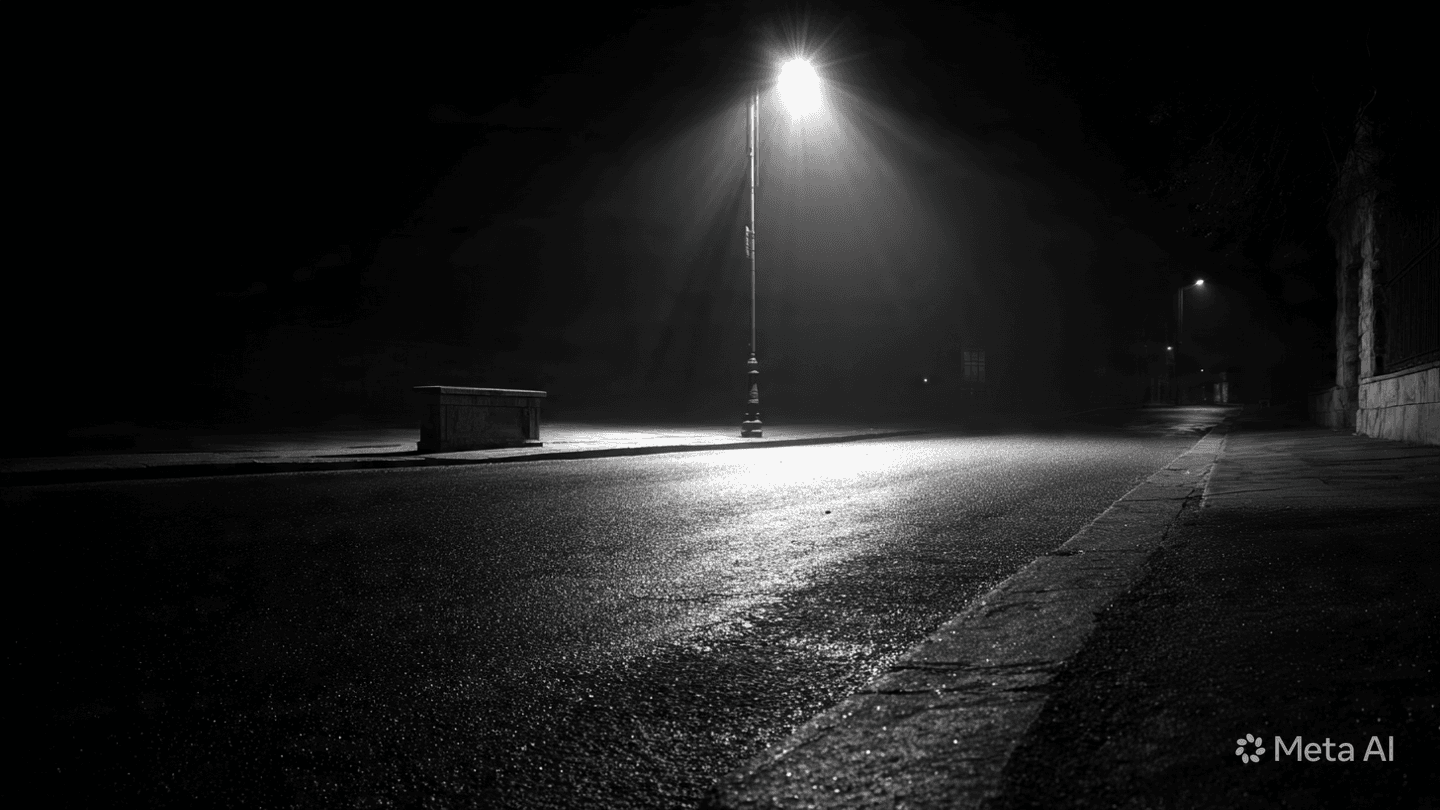
The public square is, at its best, a theater of peaceful coexistence—a space where the individual pulse of a city is measured by the civility of its inhabitants. Yet, there is a recurring dissonance in this rhythm, a persistent fraying of the social contract that manifests most clearly in the aftermath of evening indulgence. We see it in the rising statistics of public disorder, where the disinhibiting effects of alcohol transform the mundane interactions of a social life into scenes of confrontation, noise, and instability.
It is a quiet, steady problem, one that rarely captures the singular headlines of a catastrophic event, yet its cumulative toll on the spirit of a community is profound. When the boundaries of behavior blur, the sense of safety that allows for a vibrant public life begins to thin. We are left to observe not just the debris of the night, but the erosion of a shared standard—the unspoken agreement that we are responsible for our conduct, even when our senses are clouded.
Observers of public health and civic order note that this shift is not merely a matter of occasional excess, but a complex tapestry of social, mental, and physical factors. The consumption of alcohol, while a fixture of traditional celebration, is increasingly operating in an environment where the stressors of modern existence—the anxiety, the isolation, the frantic pace—are seemingly mitigated by the same substance that often amplifies the underlying desire for conflict. The result is a cycle of behavior that impacts not only the individual but everyone who happens to share the same path.
The burden falls heavily upon those charged with maintaining the peace. Police and civic workers often find themselves managing a tide of volatility that defies simple categorization. It is a labor of de-escalation, a delicate attempt to contain the consequences of impaired judgment before they bloom into something more lasting. This is a perpetual, largely thankless task, one that requires a steady hand and a deep understanding of the human condition in its most vulnerable and exposed state.
In our collective reflection, we must ask what the rise in these incidents signals about the health of our communal environments. It is a reminder that the quality of our public spaces is inextricably linked to the quality of our personal choices. When the threshold for aggression lowers, the community as a whole pays the price, losing a measure of the trust that makes a city feel like a home rather than a contested territory.
To address this is not a matter of sudden, draconian intervention, but of long-term cultivation. It involves a reimagining of our social habits, a strengthening of the support systems that can catch those who are slipping, and a renewed emphasis on the value of restraint. It is about creating environments where the celebration of life does not come at the expense of its order, and where the vibrancy of our nightlife is not shadowed by the threat of its own excesses.
As we move forward, the conversation around alcohol-related disorder will continue to evolve, moving away from simple reactive measures toward a more holistic view of public health. We are challenged to look inward, to examine the role that these substances play in our own lives, and to consider how we might contribute to a culture that favors connection over conflict. The restoration of order is a collaborative effort, one that begins with the quiet recognition of our shared responsibility to the spaces we inhabit together.
Public health and law enforcement data for the first half of 2026 indicate a measurable increase in alcohol-related public disorder incidents across metropolitan centers. Authorities have responded by deploying additional resources to high-traffic districts and re-evaluating municipal policies regarding late-night service. These measures are intended to stabilize the public environment while investigators continue to monitor the correlation between substance misuse and localized surges in aggressive conduct.
Published by Banx Network. This article is part of the Banx decentralized media programme, powered by the BXE token on the XRP Ledger.