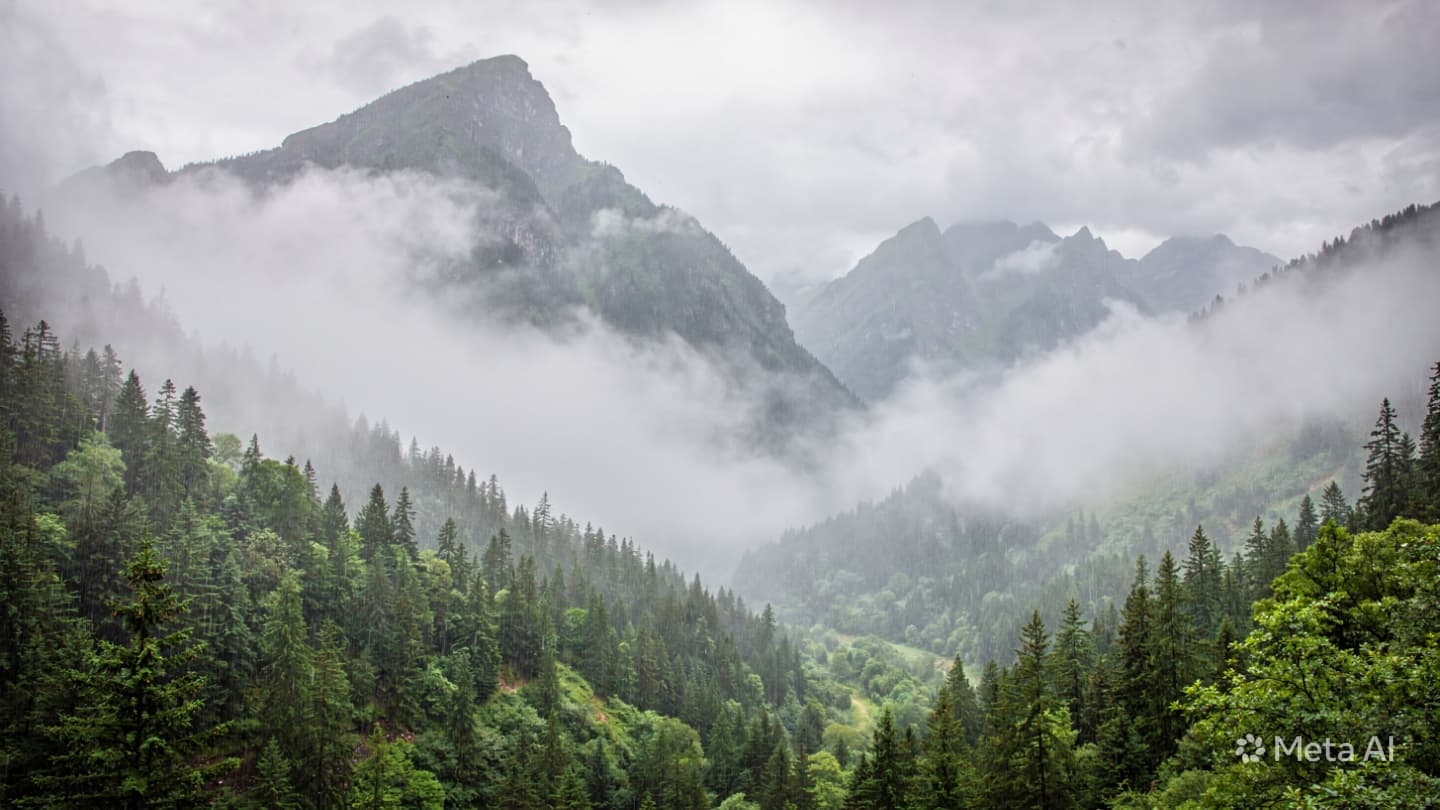
The mountains of Gangwon Province are celebrated for their serene beauty, a landscape of ancient trails and cascading streams that invite the wanderer into the heart of the wild. Yet, in the quietude of these hills, the atmosphere can quickly gather, turning from a tranquil backdrop into a theater of immense, unfocused power. When heavy rains transform a gentle stream into a violent, churning torrent, the reality of the wilderness is irrevocably altered.
Flash floods are the sudden, silent reclamation of the landscape, a reminder that the environment we inhabit is governed by forces beyond our control. In the high valleys of Gangwon, the transformation from stability to chaos happens with a harrowing speed, catching those who walk the trails in a moment of vulnerability. It is a scene where the beauty of nature is abruptly eclipsed by the raw, fluid gravity of the disaster.
The aftermath leaves a landscape defined by its damp, heavy silence, broken only by the methodical work of rescue teams navigating the terrain. They move with the solemnity of those witnessing a force beyond measure, searching the debris of the riverbanks for those swept away by the flood. It is a tableau of contrast—the enduring, ancient power of the mountain and the sudden, fragile reality of human existence.
For the regional community, the event resonates with a profound, localized intensity. The loss is not merely measured in the tragedy of the moment, but in the shared awareness of the risks inherent in the wild. It is a communal mourning that touches those who know the beauty of the trails and who understand how quickly the rhythm of the mountains can shift.
Meteorologists will analyze the atmospheric conditions that fed the sudden surge, documenting the variables of humidity and topographical pressure that created such a lethal environment. Their work is a form of translation, attempting to decode the language of the sky into a format that we can understand and, perhaps, learn to predict. It is a necessary pursuit, even if it cannot fully address the emotional weight of the loss.
There is a reflective dimension to the tragedy that lingers long after the waters have receded. It is found in the stillness of the mountain paths, the memory of the storm, and the contemplative awareness of our position within the natural order. The reflection on such a disaster is a solitary act, a moment where the observer pauses to consider the power of the environment we inhabit.
As the clouds eventually dissipate and the sun returns to illuminate the valleys, the cycle of the landscape resumes. The mountains show little sign of the event, the vegetation continuing its growth under the returning warmth. It is this persistence of the earth that makes the suddenness of the loss feel all the more poignant, a reminder of the quiet, continuous flow of time.
Ultimately, the event serves as a call for a renewed, careful attention to the conditions of the wilderness. It is a reminder to approach the mountains with a heightened, observant presence, acknowledging the latent energy that hums beneath the surface of the trails. In Gangwon, the community holds the memory of the day close, marked by the quiet, reflective sorrow that follows when the weather asserts its dominance.
Local authorities in Gangwon Province confirmed that flash floods triggered by heavy rainfall on May 31, 2026, swept away several hikers, resulting in fatalities. Rescue operations were immediately launched to locate the victims, and meteorological officials are currently evaluating the intensity of the storm.
Published by Banx Network. This article is part of the Banx decentralized media programme, powered by the BXE token on the XRP Ledger.