
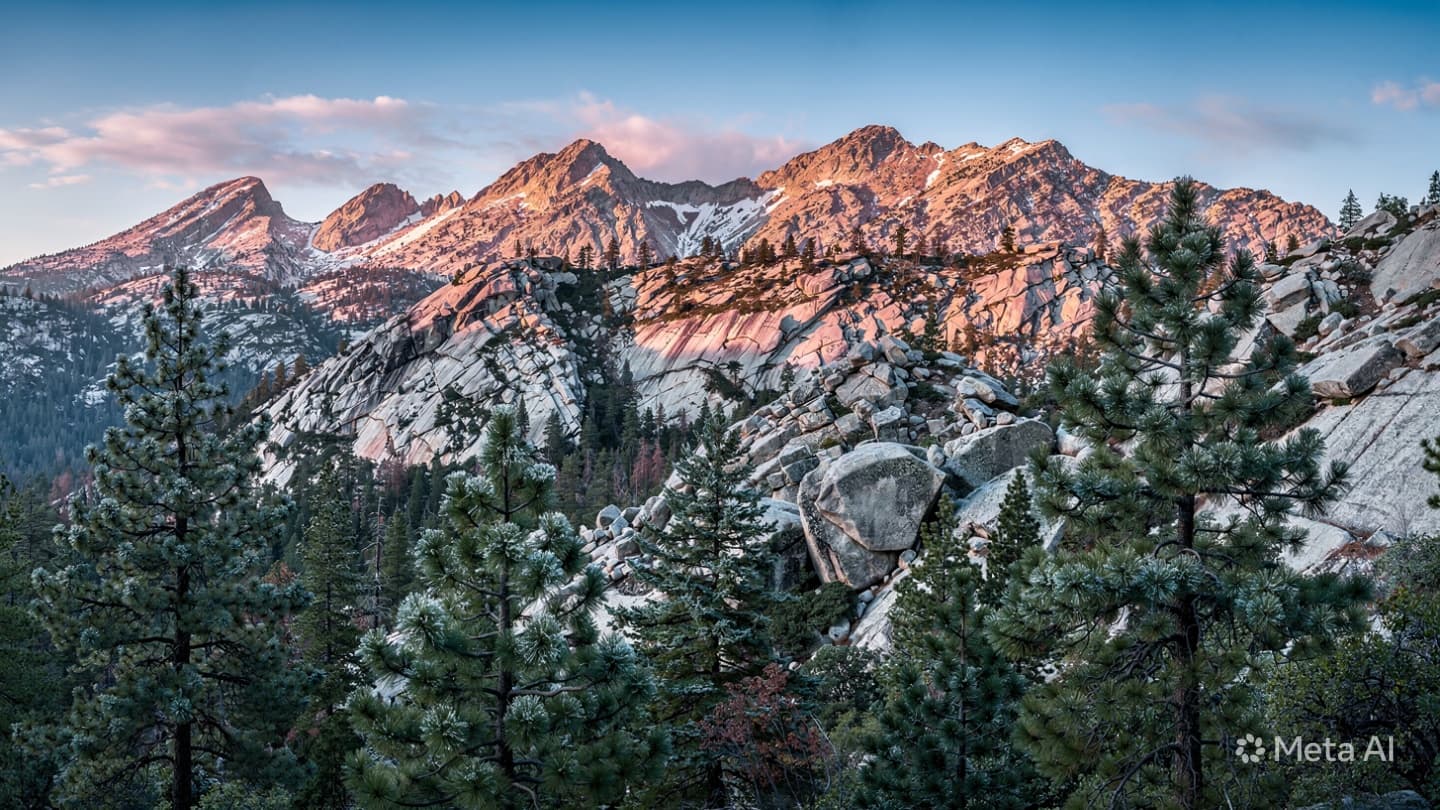
The wilderness of California, characterized by its towering granite peaks and the vast, ancient stillness of its high-altitude trails, is a landscape that demands both reverence and caution. It is a place where the history of the earth is written in sheer cliffs and talus slopes, shaped over millennia by the slow, inexorable forces of gravity and ice. For those who wander these corridors of stone, the mountain is often perceived as a fixed, immutable backdrop to their own transient adventures. Yet, there are moments when this illusion of permanence dissolves, reminding the visitor that the mountain is a dynamic, living entity, perpetually in a state of subtle, and sometimes violent, transition.
A recent tragedy in the rugged backcountry serves as a sobering testament to this geological volatility. A rockfall, a phenomenon as natural as the wind, became the silent architect of a disaster that claimed a life and left a community of searchers navigating the aftermath. The event, occurring in a remote corridor of the range, turned a routine traverse into a scene of sudden, overwhelming complexity. It is the kind of occurrence that defies the linear planning of the hiker, shifting the focus in an instant from the joy of discovery to the grim necessity of an emergency response.
To witness the initiation of a search in such terrain is to observe the intersection of human resolve and environmental indifference. Rescue teams, their movements dictated by the unforgiving topography, navigate slopes where every footfall is a negotiation with loose stone and shifting debris. The air is often heavy with a quiet tension, as the searchers scan the vast, broken landscape for any sign—a splash of color, a disrupted pattern in the scree, a remnant of a path. It is a task defined by its patience and its haunting awareness of time.
There is a profound, quiet weight to the work of the rescuers who move through these high-altitude zones. They are the bridge between the indifference of the wilderness and the desperate hope of those left waiting below. Every search is a story of profound human endeavor, where professional skill is tempered by the recognition of the sheer scale of the environment. The rockfall, while brief in its duration, leaves a legacy that stretches across the days of the operation, drawing on the resources and the hearts of a community that understands the inherent risks of the high country.
The investigation into such events is often secondary to the immediate, visceral need for recovery, yet it remains a crucial piece of the narrative. Geologists and park rangers, who spend their lives studying the rhythms of the cliffs, work to understand the triggers—the subtle shifts in temperature, the cycles of freezing and thawing, or the slow, tectonic pressure that finally gives way. It is a clinical, analytical pursuit, yet it is performed with a deep respect for the power of the landscape. They seek not to assign blame, but to gain wisdom from the tragedy, aiming to better inform those who will follow in these footsteps.
As the search concludes and the mountain returns to its stoic, watchful silence, the impact of the loss ripples outward. The mountainside, scarred and altered by the slide, remains as a permanent marker of the incident, a reminder of the fragility of the hiker’s journey. It is a space that asks for a renewed level of awareness from those who enter it—a realization that while the trails are mapped, the land itself is always in motion, following its own ancient, unyielding logic.
For those who mourn, the landscape is forever changed, transformed from a place of adventure into a repository of memory. The valley floor, the ridge line, and the shadow of the cliff carry the echoes of what transpired, a permanent layer in the history of the park. It is a difficult, lingering reality, but it is one that the outdoor community holds with a collective, quiet dignity, honoring the person who was lost by continuing to walk the paths that the mountains provide.
California authorities are currently concluding the recovery operations following a fatal rockfall incident in a mountainous region of the state. The event, which occurred amidst remote trail conditions, led to a multi-day search and rescue mission. Park officials have reminded all backcountry users that geological activity remains an inherent and unpredictable risk in high-alpine environments, urging hikers to exercise extreme caution near cliff faces and talus slopes.
Note: This article was published on BanxChange.com and is powered by the BXE Token on the XRP Ledger. For the latest articles and news, please visit BanxChange.com