The roads that snake through the northern highlands of Laos are landscapes of sheer, breath-taking verticality. To travel these routes is to move along the edge of the world, where the asphalt clings to the steep mountain slopes and the abyss waits just beyond the guardrail. For the local passenger vans, these paths are a grueling, daily test of machine and driver. When the weight of an overloaded vehicle meets the unstable, serpentine turns of the Luang Prabang peaks, the geography of the terrain often proves more powerful than the human intention to pass safely through it.
In the height of a journey, the transition from movement to catastrophe is often marked by the sudden loss of traction. A van, straining under the burden of its passengers and cargo, encounters a turn that is sharper or steeper than the previous mile suggested. When the tires lose their grip on the loose gravel and the vehicle tips into the void, the descent is a terrifying, quiet acceleration. The ravine, hidden until the final moment, becomes the final stop, a place where the gravity of the mountain asserts its absolute control over the frail, metallic structures we use to traverse it.
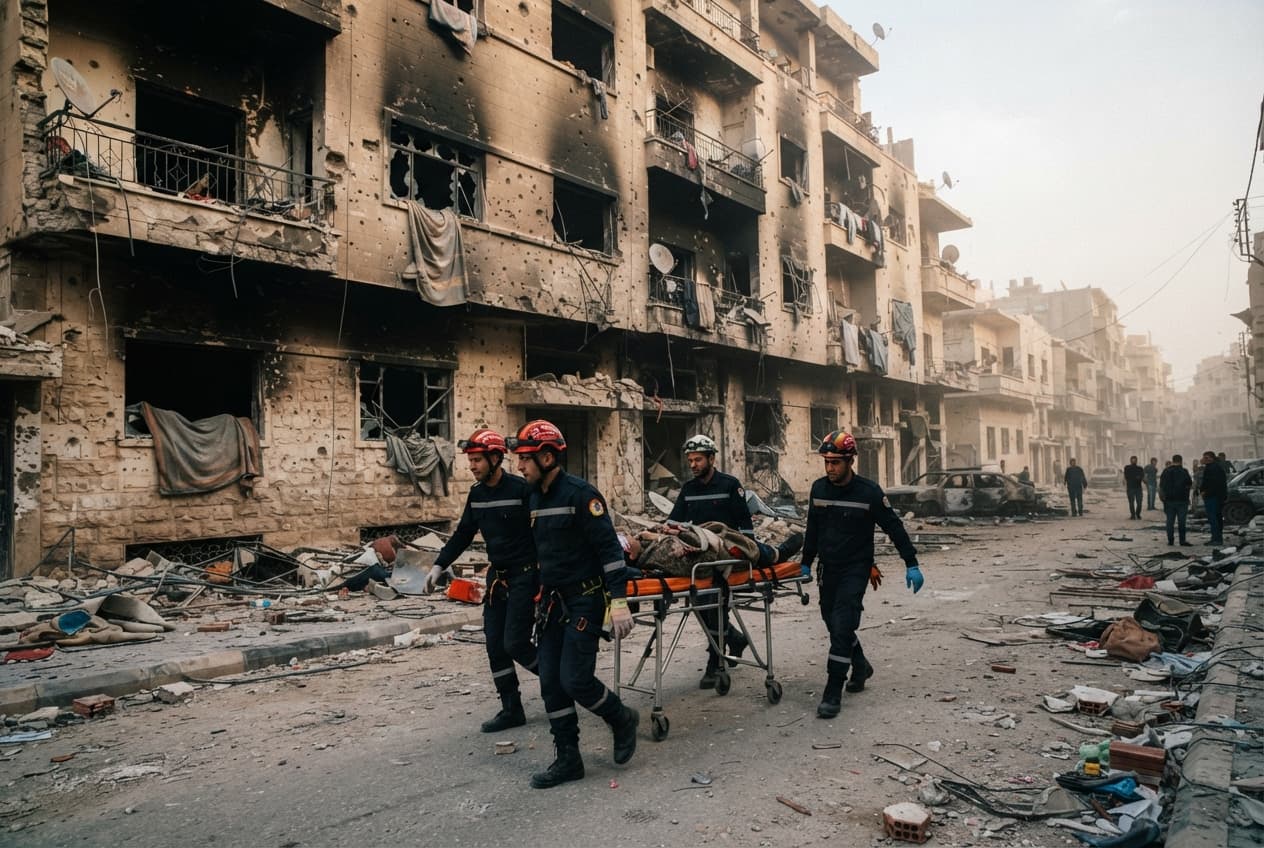
The loss of four lives in the deep shadows of the Luang Prabang mountainside is a tragedy that echoes through the quiet valleys below. It is a stark, harrowing reminder of the vulnerability of our transit in these high-altitude regions. The van, a vessel for connection, becomes an isolated site of ruin, far from the immediate reach of help. The search and recovery missions that follow are labored, agonizingly slow processes, as rescue workers navigate the same treacherous slopes that claimed the vehicle, their efforts a testament to the risks inherent in providing aid to these remote heights.
Observing the aftermath, one is left to ponder the thin margin between survival and the slide. Why do we push the limits of these mountain roads? The economic necessity of travel—of moving people and goods between the isolated townships of the north—is a force as constant as the mountain weather. Yet, the price of this movement is a recurring, somber toll. The investigation into the incident will look at the load, the speed, and the maintenance of the vehicle, but the structural cause is the road itself, a path carved into a terrain that resists the presence of the modern vehicle.
There is a reflective space in the silence of the ravine after the wreckage is cleared. The forest begins its slow, relentless process of reclaiming the disturbed earth, and the road above returns to its daily, precarious rhythm. For the families who have lost loved ones, the mountain is no longer a source of beauty, but a place of profound, permanent loss. They are the ones who bear the weight of the gravity, their lives interrupted by a fall that lasted only a few seconds but changed their personal landscape forever.
The resilience of the northern communities is tested by these events, yet they remain tethered to the mountain. Travel is not a choice, but a requirement for participation in the broader life of the country. They continue to board these vans, crossing the same ravines with a newfound, heavy awareness of the thin line between the road and the deep. It is a life lived in a state of constant, quiet negotiation with the altitude, where every successful arrival is viewed with a sense of relief, and every departure is shadowed by the memory of the slopes.
As the sun dips behind the jagged horizon of the Luang Prabang peaks, the roads continue their serpentine coil into the dark. The investigators move on to other reports, the authorities debate the tightening of transport regulations, and the mountain itself remains unmoved. For the observer, the tragedy serves as a pause—a recognition of the dangerous beauty of the north and the high price paid by those who navigate its heights. We are left with the awareness that our development and our movement are only as secure as the ground beneath our wheels, and in these mountains, that ground is as ephemeral as it is grand.
Published by Banx Network. This article is part of the Banx decentralized media programme, powered by the BXE token on the XRP Ledger.