
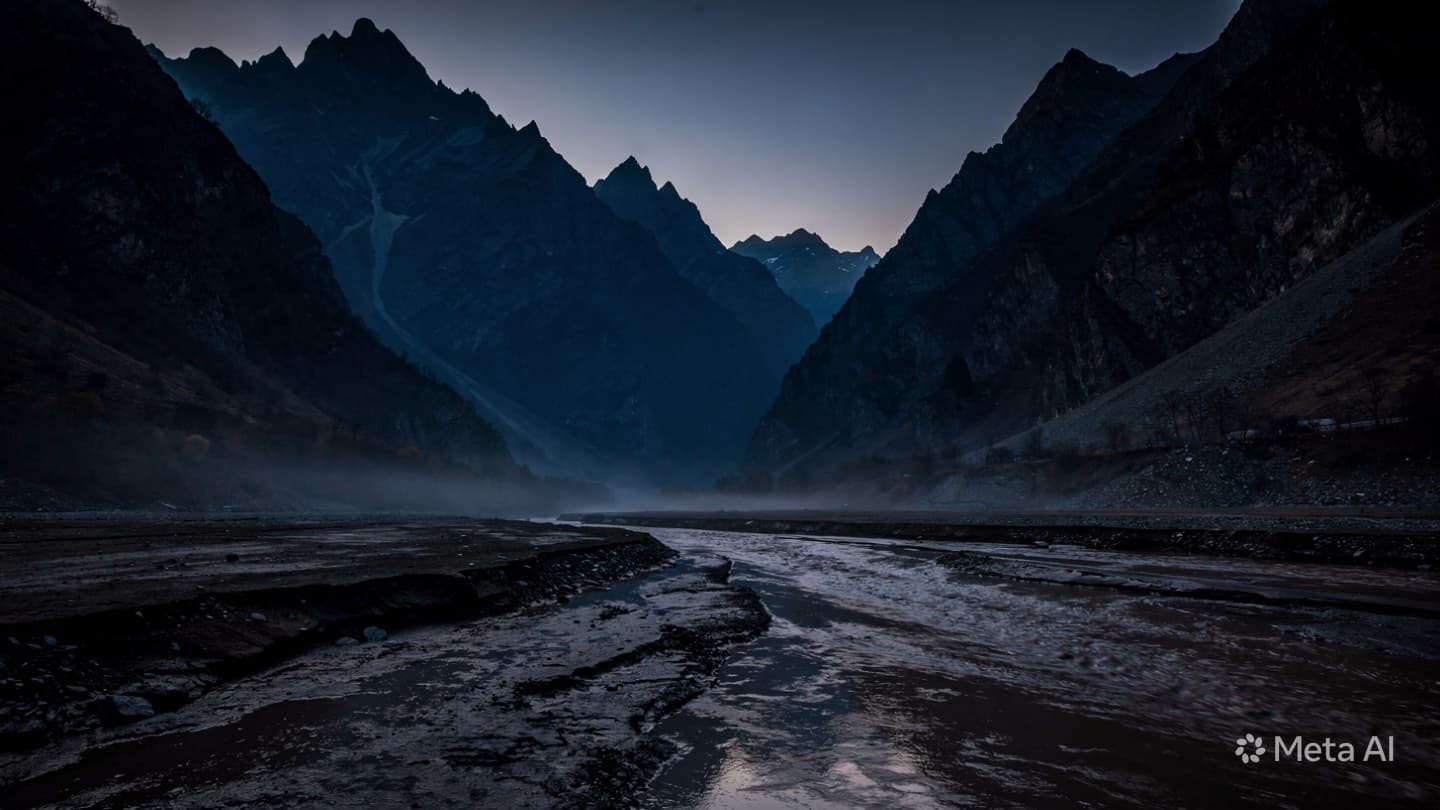
The mountains of Artvin are ancient, carved by the patient work of rivers and the persistent, unforgiving gravity of the slopes. It is a landscape of dramatic verticality, where the air is often thin, the forests are dense, and the weather is a force of immense, unpredictable authority. When a flash flood descends, it does not merely arrive; it reclaims. It is a sudden, violent infusion of energy that turns the quiet, meandering streams into roaring conduits of debris and earth, dismantling the fragile order we impose upon the valley floors.
To witness such a surge is to be reminded of the fundamental, elemental power that remains at the edges of our managed existence. The flood arrives with a terrifying velocity, a wall of water and shale that defies the capacity of the terrain to absorb it. For the residents who live in the shadow of the ridges, the event is a jarring interruption, a moment where the reliable geography of their homes is suddenly rendered alien, unpredictable, and perilous.
In the aftermath, the landscape is transformed into a site of profound, somber silence. The roaring has ceased, leaving behind a scarred valley floor strewn with the remnants of the storm—the uprooted timber, the slick, deposited mud, and the heavy, saturated silence of a place that has been irrevocably altered. It is a scene that strips away the veneer of the ordinary, revealing the stark vulnerability of those who dwell in the intricate, deep folds of the mountain range.
The recovery efforts, which proceed with the deliberate, haunting intensity of those who understand the language of the mountains, are a race against the persistence of the terrain. Rescuers move through the mud and the debris, their headlamps cutting through the gloom, searching for what the flood has claimed. It is a clinical, somber process, an attempt to impose order on a chaotic, devastating event, yet for the community watching from the periphery, the cause feels less important than the overwhelming fact of the loss.
There is a communal vulnerability in these moments. The neighbors, watching the waters recede, are reminded of their own connections to the river, their own proximity to the slopes, and the unseen risks that travel through the mountain passes. It is a shared, unspoken anxiety that lingers, a sobering reflection on the cost of the infrastructure that powers the life of the valley.
As the sun sets over the Artvin ridges, the scenery stands in stark relief against the darkening sky. The tragedy is a quiet, heavy presence, a reminder that the sanctuary we build for ourselves is only as secure as the stability of the slopes above. There is no grand explanation, only the slow, difficult process of reclaiming the land and the enduring, heavy memory of the lives that were extinguished in the surge.
Official reports from Artvin indicate that a flash flood in a mountainous district on June 18, 2026, resulted in two fatalities. Emergency response teams were deployed to conduct search and rescue operations, which were eventually redirected to recovery. Authorities have begun assessing the structural integrity of local drainage systems as part of an investigation into the intensity of the flooding.
Note: This article was published on BanxChange.com and is powered by the BXE Token on the XRP Ledger. For the latest articles and news, please visit BanxChange.com